
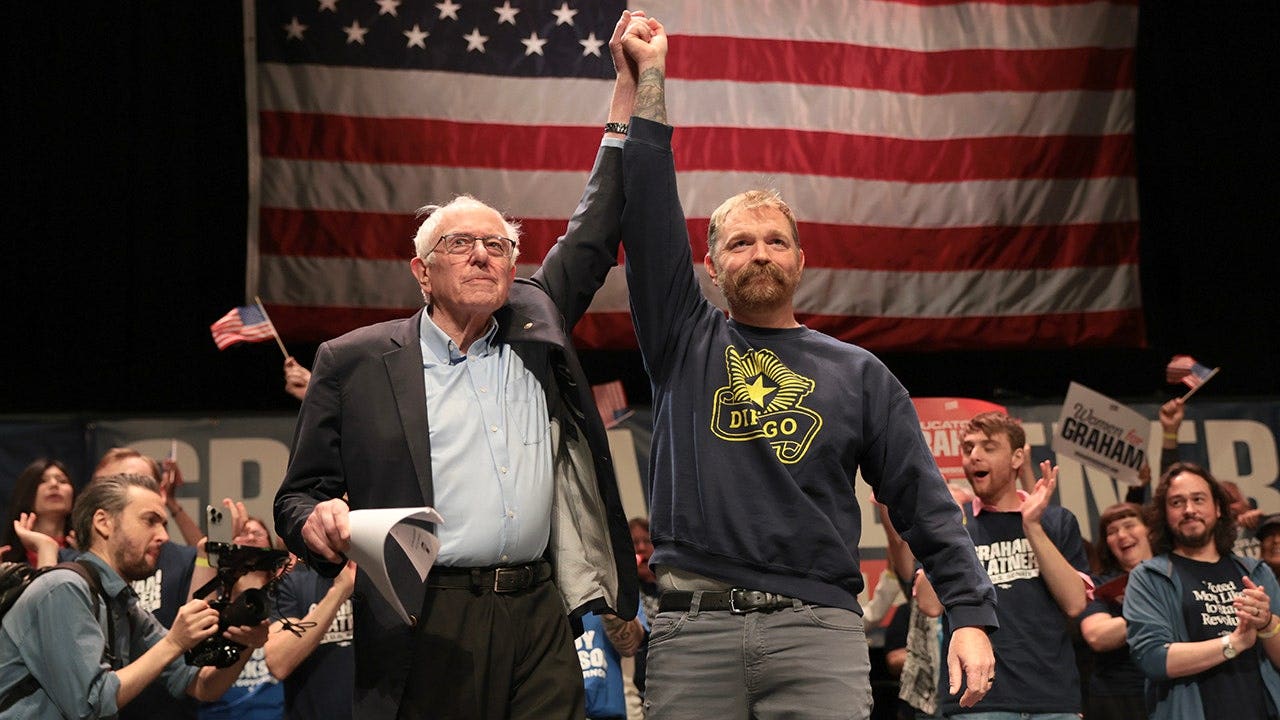
The Democratic Party is wrestling with an internal revolt as self-styled Democratic Socialists push bold ideas, blunt rhetoric and risky nominees into safe districts, forcing establishment figures to choose between appeasing the base or defending basic American norms.
What started as an energized fringe movement has grown into a funding and activism engine that reshapes primaries and reshuffles local power. That energy is real, but so are the extremes that come with it — anti-capitalist talk, antagonism toward allies, and rhetoric that many Americans find unacceptable. Voters in solidly blue neighborhoods may tolerate loud, provocative candidates, but those figures can still do lasting damage to party credibility nationwide.
Longstanding Democrats face a nasty trade-off: stand up to the radicals and risk being targeted in a lefty primary, or stay silent and let fringe voices gain influence. The choice to avoid confrontation has allowed ambitious newcomers to pick off local leaders and amplify far-left policy prescriptions. That avoidance is political cowardice in plain sight, and it explains why establishment names keep getting nudged aside.
One emblematic example is a challenger from New York who has attacked President Biden as a “rapist” and a “war criminal” and labeled the United States a “f—ing disgrace.” She has also posted “f— Kamala Harris” and publicly pushed positions like shuttering all prisons, legalizing all drugs, and ending U.S. military support for Israel. Endorsements from high-profile local progressives have boosted her profile and rattled moderate allies who thought the seat was untouchable, even though the district remains rated “Solid D.”
Meanwhile, other progressive hopefuls are creating fresh headaches for Democrats on the national map. A Maine candidate aiming to unseat Susan Collins and an ambitious Texan challenging conservative norms have both had to account for past online posts and statements that reflect poorly when plucked into national headlines. Scrubbing or explaining away a problematic digital footprint rarely satisfies voters who expect accountability.
Some controversies go beyond clumsy social media posts. One candidate from Maine faced revelations that included crude Reddit comments, a troubled private messaging presence, and a Nazi-themed tattoo he now insists had a different meaning. Reports also surfaced that his wife had informed the campaign about sexually explicit texts he sent to multiple women. Those are the kinds of personal scandals that linger and distract from any policy pitch.
Another rising Democrat has been on a public transformation tour, switching from a self-described “non-meat” lifestyle that resonated with progressive urban audiences to planting his feet in big state traditions and boasting a sudden love of steak. He has also faced ridicule over past remarks such as “God is non-binary,” and comments suggesting there are six sexes, language opponents have weaponized as evidence of being out of touch with mainstream voters.
In Michigan, progressive Abdul El-Sayed, a longtime Medicare-for-all advocate who wants to abolish ICE, has his own headline-grabbing episode where he admitted destroying a bottle of liquor in a public confrontation. Incidents like that feed a narrative that some of these candidates carry temper or judgment issues that would be liabilities on the national stage.
Adding to the strain on moderates, First Lady Jill Biden has been promoting a book that, intentionally or not, reminds the public of arguments that Joe Biden was fit to serve another term. For many voters who doubt that claim, the messaging only deepens frustration with party leadership and the decisions that brought the country to this political moment.
The Democratic National Committee is visibly struggling to reconcile competing factions, even producing an incomplete “autopsy” of the last election that left more questions than answers. The real fix is not another report, it is a willingness to confront the policy gambits that alienate swing voters — positions like backing biological men in women’s sports, defunding police, and lax border policies.
If Democrats want to be competitive outside blue enclaves, they will eventually need to marginalize the loudest extremists who undermine national interests and everyday American values. Voters notice when a party elevates candidates who seem eager to tear down institutions rather than improve them, and that recognition will shape elections ahead.
