
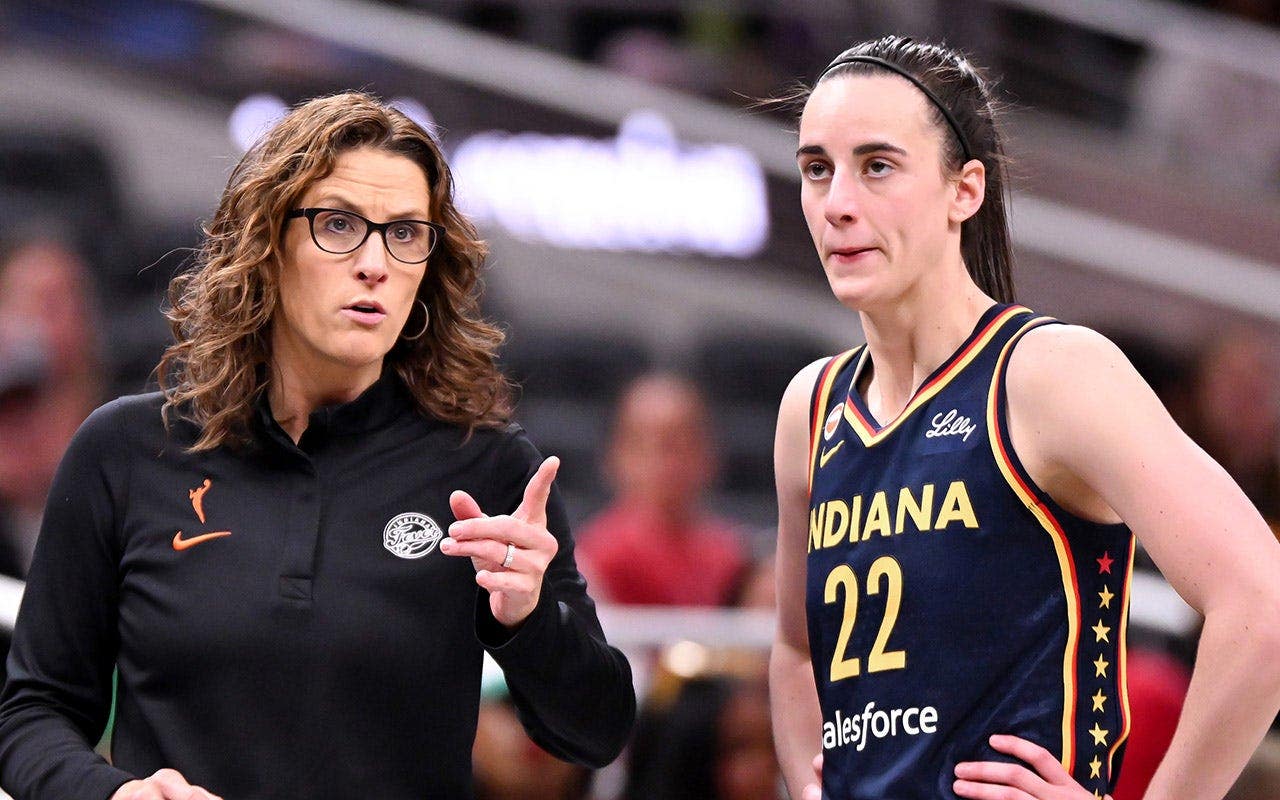
How two leaders handled a tense, public moment on the sidelines says a lot about modern pro basketball: intensity, scrutiny, and how quickly a competitive spark becomes a headline. This piece walks through the exchange, the reactions from both sides, and the broader context for coaching heat in the WNBA. It stays focused on the actions and words without getting lost in hot takes or outside links.
On game night, a brief on-court exchange between Caitlin Clark and Indiana Fever head coach Stephanie White became a flashpoint for discussion. Fans and commentators seized on the moment almost immediately, turning a split-second of emotion into content and commentary across platforms. The people at the center of that moment responded directly, aiming to reframe what happened on the sideline.
Caitlin Clark and Stephanie White both address their heated sideline exchange, dismissing criticism and calling it competitive coaching in action.
The language used by both Clark and White mattered because it didn’t sound defensive so much as matter-of-fact, which flipped the narrative from scandal to normalcy for anyone who watches coached sports closely. They described the incident as part of the competitive fabric of the game, something that happens when high stakes and high emotion meet. That framing is important because it pushes back on exaggerated outrage and reminds people this is a physical, heated sport.
Coaches get loud, players respond, and tensions spike — that is the basic anatomy of a sideline moment. In the WNBA, where stars draw enormous attention, these small interactions get magnified. The optics look different when more cameras are trained, but the mechanics are the same as they’ve always been: instruction, correction, and sometimes a loud nudge to refocus a player mid-game.
Public perception often forgets that coaching is performative as much as it is tactical; yelling and gesturing are tools of motivation and control. Coaches use volume and urgency to send messages not only to the player but to the entire team, signaling standards and expectations in real time. For players, that energy can either fuel a breakout moment or spark a rebound from a stretch of mistakes.
Critics who viewed the exchange as excessive may have missed the professional norms at play, where intensity equals accountability. In a league where every possession is analyzed and every mistake is replayed, coaches lean into visible accountability to maintain discipline. That doesn’t mean every moment is ideal, but it explains why decisive, vocal coaching is still commonplace.
Both Clark and White made clear they view the exchange through a competitive lens rather than a personal one, and that distinction matters for how fans interpret the interaction. When athletes and coaches use the language of competition, it softens the notion of conflict and reframes it as part of the pursuit to win. That line between heat and harm is where most observers are trying to draw boundaries today.
There is also a broader cultural shift about how we expect professionals to handle public pressure, and sports is a mirror for those standards. People demand accountability yet also crave authenticity, and sideline moments test both desires. Watching how experienced figures navigate that balance tells us not just about sportsmanship but about public leadership under scrutiny.
Media coverage tends to favor drama, which inflates the perceived severity of an incident like this one, but the truth is usually more grounded and procedural. The league, teams, and players all have protocols and communication norms that reduce the likelihood of real misconduct in these flashpoints. That doesn’t eliminate debate, but it does provide structure for interpreting what happened.
For fans, it may be useful to separate the immediate emotional reaction from a measured view of the roles being played: athlete, coach, and commentator. Each role brings different incentives and pressures, and that triangle shapes the stories we tell about any contentious moment. Recognizing those incentives helps temper hot takes and keeps the conversation focused on craft rather than scandal.
Ultimately, the exchange highlighted the competitive nature of top-level basketball and the ways people in the sport lean into intensity to push performance. It offered a reminder that not every passionate interaction is a breach of conduct, and sometimes a loud sideline is simply the sound of professionals doing their jobs under pressure. That nuance is worth keeping in the conversation as the season unfolds and similar moments inevitably occur again.
