
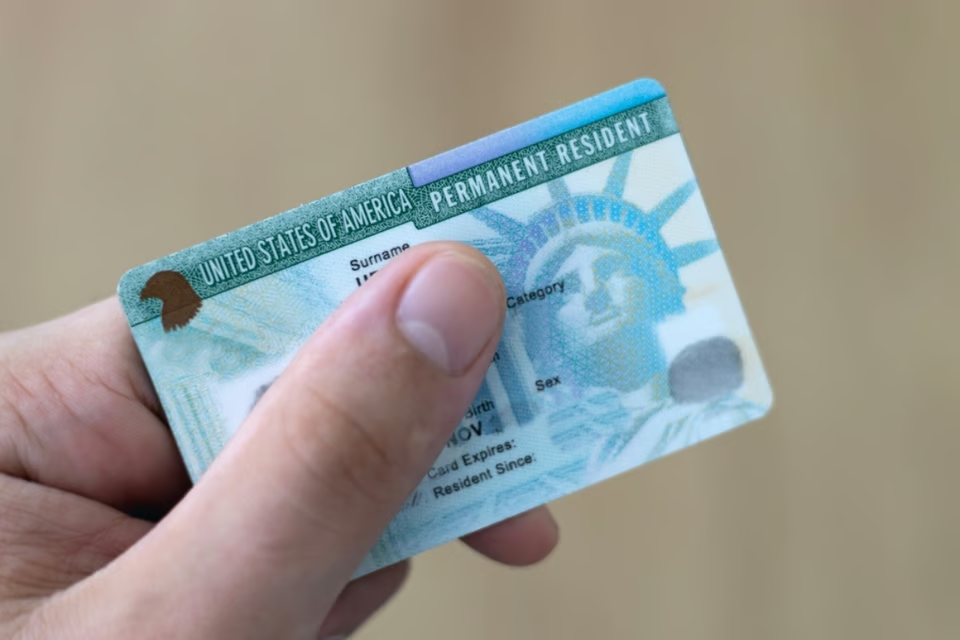
The Labor Department suddenly put the brakes on a wave of H-1B visa sponsorships after investigative reporting pushed the issue into the spotlight. The move sent a clear signal that the spotlight had gotten bright enough to force action, especially around how the program was being used and who was benefiting from it.
At the center of the story is the long-running tension over foreign labor, green cards, and the way big employers navigate the system. Critics have argued for years that the process is too easy to game, too hard to police, and too often tilted against American workers who are supposed to come first.
The new pause did not come out of nowhere. It followed reporting that raised fresh questions about sponsor behavior, agency oversight, and whether federal officials were paying close enough attention to the people and companies involved.
For plenty of workers, the issue is bigger than one department memo or one burst of bad press. It touches paychecks, hiring fairness, and the basic idea that immigration rules should be enforced instead of treated like suggestions.
Supporters of tougher enforcement say the federal government should not hand out labor access like a blank check. If a sponsorship pipeline is being misused, then the people running it should be forced to explain themselves, and fast.
That is especially true when the conversation turns to the Trump administration’s broader emphasis on tightening control over immigration-related programs. The administration has made no secret of wanting stronger borders, tougher scrutiny, and less tolerance for loopholes that can undercut American jobs.
Sara Gonzales’ investigative work helped put pressure on the issue by dragging a messy subject into public view. When reporting exposes weak oversight, the fallout can move quickly, and this case shows how media scrutiny can shove a bureaucratic problem out of the shadows.
The Labor Department’s decision to freeze sponsors also puts more attention on the agencies that are supposed to keep the system honest. Rules only matter if they are enforced, and enforcement only matters if officials are willing to step in before abuses become routine.
That has become a familiar complaint in Washington, where immigration programs often run into the same brick wall: plenty of promises, not enough follow-through. When that happens, companies with deep pockets can play the game better than ordinary workers can ever hope to.
The debate over H-1B visas has always carried real-world stakes. For some, the program fills genuine labor gaps, but for others it has become a backdoor for cheap labor and a way to sidestep the interests of American employees.
The Labor Department’s pause may not settle the argument, but it does make one thing obvious: scrutiny changes behavior. Once the cameras are on and the questions are public, agencies have to choose between shrugging and acting, and this time they acted.

1 Comment
Victory Hooray Yes