
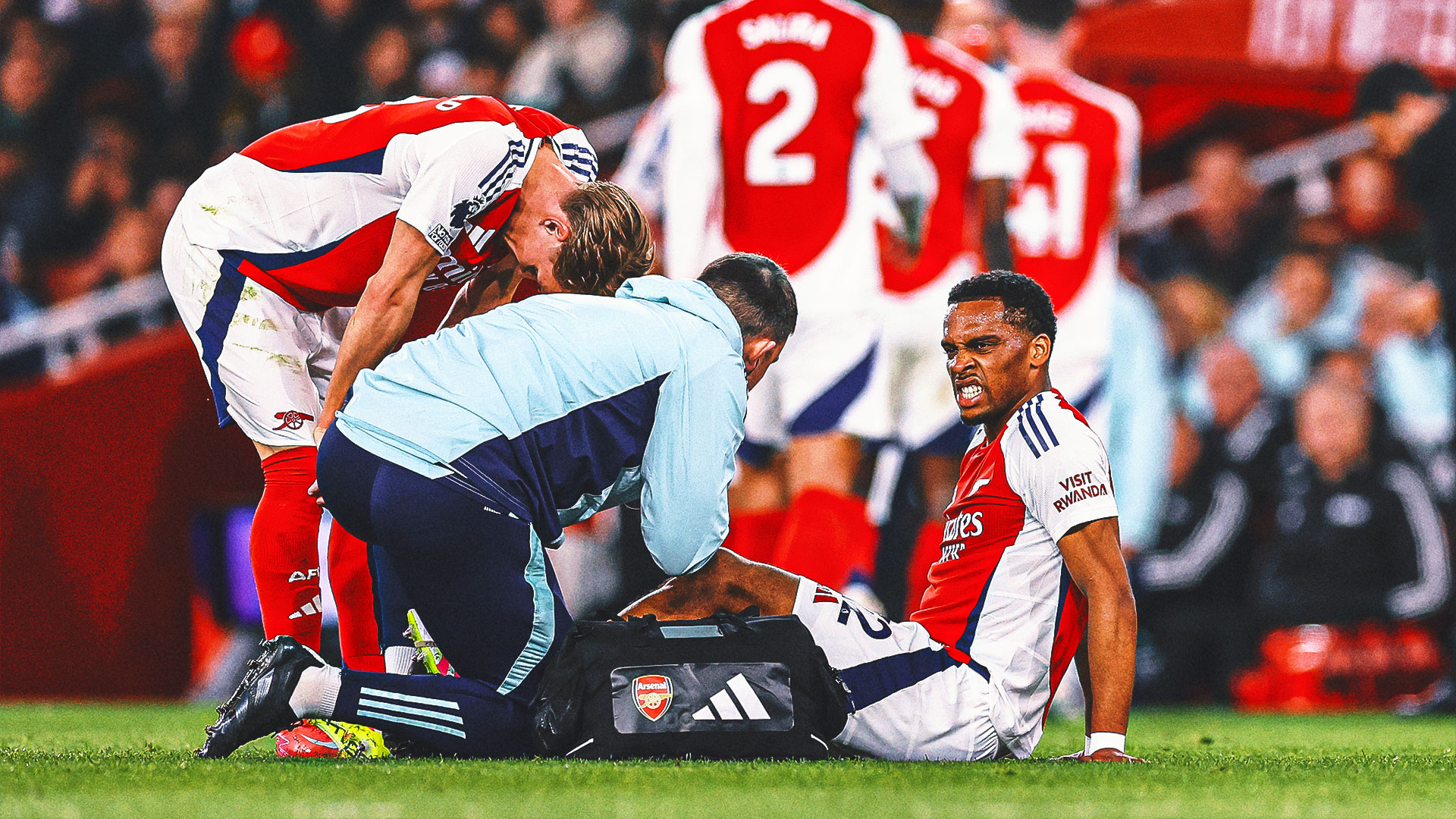
There’s fresh worry in the Dutch setup after Ronald Koeman’s latest update on Jurrien Timber, and it’s the kind of news that can change selection plans and fan mood almost instantly.
Koeman’s comments landed at a tense moment, with Timber seen as a key piece for both club and country stability. The defender’s athletic profile makes him a difficult player to replace on short notice, and that reality shapes how the staff will approach training and tactical choices. Coaches now face the task of balancing caution with the need to field a competitive backline.
Injury news travels fast in modern football, and Timber’s fitness question is no different, especially given his recent run of consistent minutes. Players coming off knocks alter team chemistry because they often push others into unfamiliar roles. That juggling act becomes a strategic headache when fixtures pile up and margins for error shrink.
For supporters, Timber’s availability feels immediate and personal, because defenders of his age and profile usually project into the team’s future. Losing him even temporarily forces managers to decide between promoting experience or accelerating younger options. Both paths have tradeoffs that ripple through match plans and locker-room morale.
From a tactical standpoint, Timber brings pace and ball progression that suit teams wanting to push higher up the pitch. Without him, those clean transitions can become ragged and lead to more conservative setups. Opponents will notice the difference and adjust their game plan, which raises the stakes for whoever steps into his spot.
Club managers watching this situation will be calculating risk versus reward in real time, because player load management matters across a season. Short-term match needs must be weighed against longer-term availability, especially with international windows and knockout fixtures approaching. That makes Koeman’s update more than just news; it’s a prompt for planning meetings across coaching staffs.
There’s also the psychological angle: players sidelined by injury often lose momentum, and regaining form can take more than physical healing. Confidence, timing, and match sharpness are the invisible pieces that influence a full return. Teams that manage those elements well can minimize disruption, while others can see a dip in performance that lasts weeks.
For Timber himself, the road back will hinge on clear communication between medical staff and coaches, precise rehab, and smart minutes once he’s cleared. Rushing a high-intensity return risks recurrence and longer layoffs, and the modern approach favors patience for long-term utility. That conservative path can frustrate fans, but it’s usually the correct course for preserving a player’s prime years.
Ultimately, Koeman’s update is a reminder of how fragile squad plans can be and how quickly a single fitness note reshapes expectations. Teams that adapt cleanly will find solutions and keep moving, while others may need to reconfigure tactics or personnel. Either way, Timber’s situation is one to watch closely for what it reveals about decision making at both club and national levels.
