
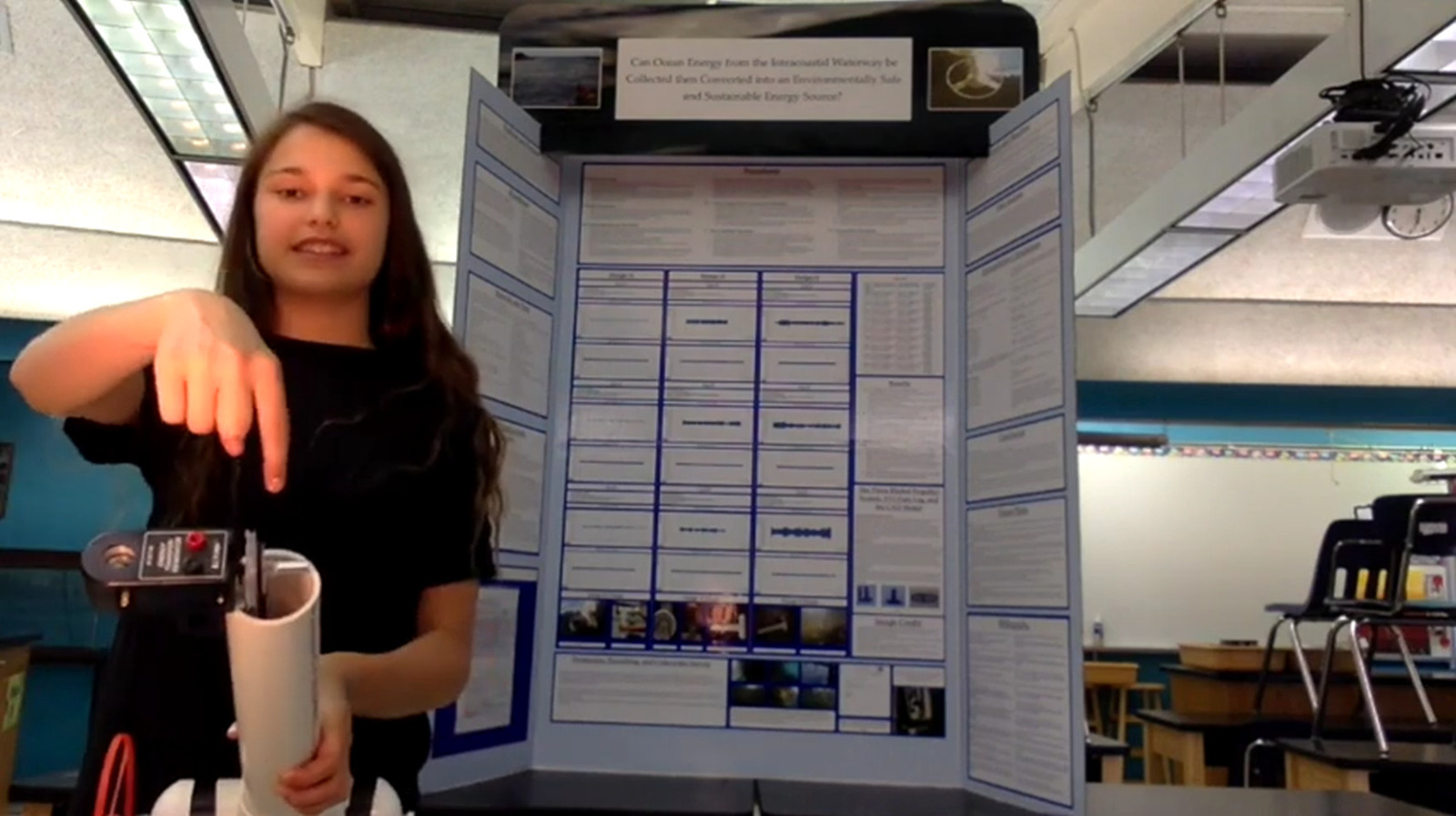
This piece looks at how a 12-year-old’s revolutionary 2015 invention proves that bold technological thinking isn’t tied to age, and it explores the habits, supports, and simple changes that help young people turn curiosity into real-world solutions.
In 2015 a 12-year-old made headlines with an invention people called revolutionary, and that moment cracked open a simple truth: great ideas can start in a bedroom or a classroom as easily as in a lab. What matters is the spark and the willingness to follow it through, not an age on a résumé. That single example still matters because it shows innovation can come from unexpected places.
Young inventors tend to share a few clear traits: they see problems others accept, they tinker relentlessly, and they tolerate failure as part of learning. That stubborn curiosity gets them past the daunted expression that stops so many adults before they begin. When a kid combines curiosity with a workspace and basic tools, the results can surprise everyone.
Support systems make the difference between a fleeting idea and a product that sticks. Mentors who can translate enthusiasm into method, teachers who reward hands-on work, and local programs that provide tools and space all push a promising project forward. Money helps, but a steady coach and a peer group who care matter more in the early stages.
Access to technology has democratized invention. Affordable microcontrollers, online tutorials, and maker spaces mean you don’t need a corporate R&D budget to prototype something useful. Kids today can learn electronics, 3D printing, and coding with a handful of inexpensive parts and a few weekends of focused work.
Recognition and pathways to showcase ideas accelerate momentum. Science fairs, invention contests, and community demos put a kid in front of people who can offer feedback, funding, or distribution. That attention is also contagious: when one young inventor gets airtime, dozens more start sketching ideas they might have otherwise kept to themselves.
Still, barriers remain. Not every child has the same access to tools, supportive adults, or time outside obligations, and bias can quietly steer kids away from technical interests. Addressing those gaps means offering scholarships, building after-school labs, and training educators to recognize potential in students who don’t fit stereotypical molds.
Practical steps work. Encourage project-based learning in classrooms, fund community maker spaces, and create mentor networks that pair industry volunteers with curious students. Businesses can offer short workshops or donate surplus equipment, and libraries can host basic electronics nights that lower the intimidation factor for parents and kids alike.
If you want to see more stories like the 2015 breakthrough, keep it simple: give kids room to mess around, adults who know how to guide without taking over, and a few basic tools. A community that treats tinkering as serious work will be surprised by how often a small idea from a young person becomes something the rest of us use and wonder how we ever lived without.
