
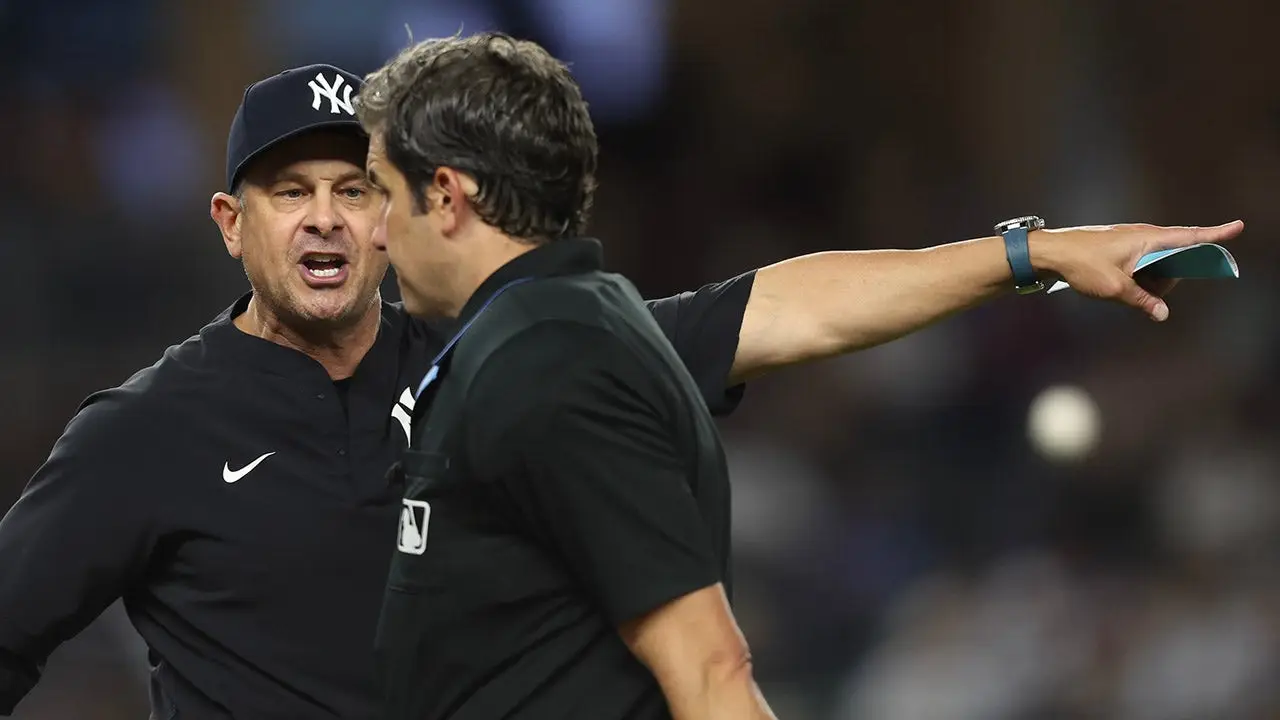
The Yankees left a little bit of drama on the field after a tight 5-4 win over Toronto, when manager Aaron Boone was tossed for arguing a disputed Daulton Varsho catch and later said he overreacted; this piece walks through what happened, Boone’s take, how the moment landed with the team and fans, and why these flare-ups still matter in a game that often needs more chill than heat.
Late in the game, a close play on the outfield grabbed everyone’s attention and turned into more than just a call. Aaron Boone ran out to argue a disputed Daulton Varsho catch, and the umpires responded by ejecting him, which immediately shifted the focus from the scoreboard to the dugout. That kind of heat in the moment is familiar in baseball, but it always pulls fans and players into a side show the manager would probably rather avoid.
Boone didn’t dig in afterward. He acknowledged the ejection and told reporters he overreacted, which cut some of the sting out of a charged scene. Admitting a mistake in public isn’t common for every manager, and Boone’s quick ownership helped move the conversation from contention to accountability. It’s a small thing, but in a clubhouse it can mean a lot.
The game itself ended with New York on top, a 5-4 win that kept the team moving in the standings. On the field, players had to quickly shift back into their routines after the drama, because wins don’t wait for explanations. Pitchers, position players, and coaching staff all had to refocus, and they did, delivering the kind of composure that wins ballgames even after distractions.
Fans online and in the stands split over the ejection, which is always part of the theater. Some argued Boone was defending his team and doing his job, while others said he let emotion get the better of him. Either way, the moment fueled chatter on social feeds and in clubhouse corridors — proof that even short flare-ups can stretch far beyond their few minutes on the field.
Umpires and managers have an uneasy rhythm where respect and disagreement collide, and this incident was a reminder of that tightrope. Boone’s approach to the disputed play seemed to cross a line in the officials’ view, and that’s when ejections happen. The rulebook and the human element meet every day in baseball, and sometimes people push until one of them steps back with a toss.
Inside the Yankees’ camp, the reaction was practical rather than dramatic. Players tend to brace for whatever energy a manager brings after an ejection, and the roster responded like pros: they cleaned up, stayed focused, and closed out the win. Those behind-the-scenes moments after tension can reveal more about a team’s character than the argument itself.
For Boone, the takeaway was simple and clear: he overreacted, owned it, and let the result of the game speak. That level of accountability helps cool things off and keeps the narrative from spiraling into something that distracts from the team’s goals. Managers are expected to defend their players, but how they do it often matters more than the defense itself.
Controversial plays will keep happening; players are human and umpires have to make calls in real time. What changed here was not the disputed Daulton Varsho catch itself, but the way the fallout was handled and then defused. The win stands, the ejection becomes a footnote, and the season keeps moving forward with a reminder that temper and timing both matter in baseball.
