
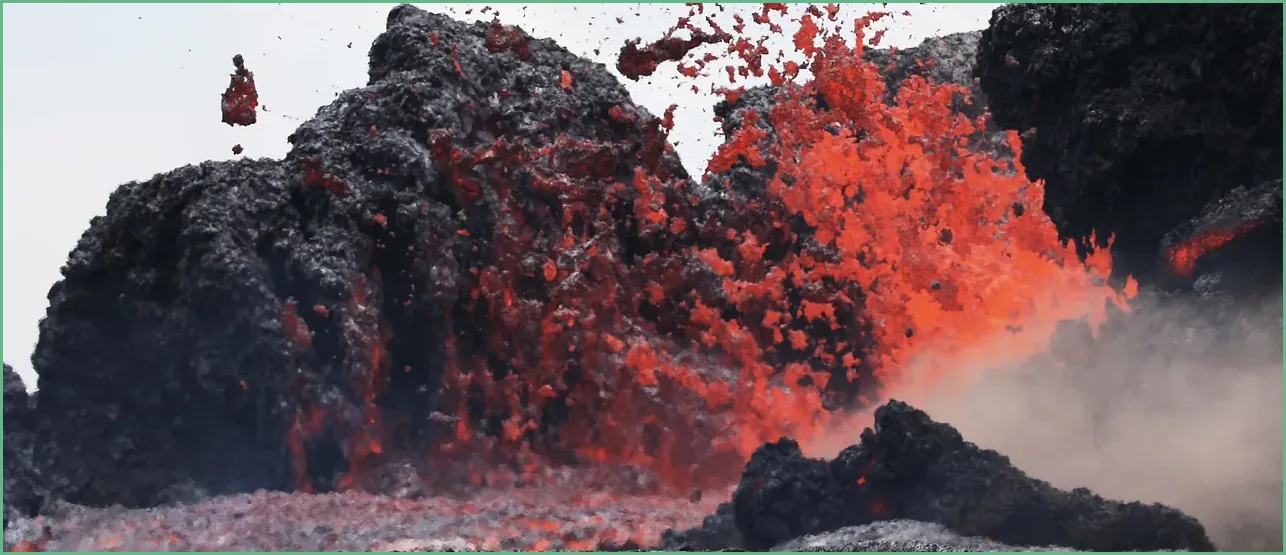
Kīlauea on the Big Island erupted again, marking the 40th eruptive episode since late 2024, with lava fountains shooting high above the Halemaʻumaʻu crater and fresh flows spreading across the summit. The U.S. Geological Survey confirmed the activity, described dome fountaining and larger lava jets, and warned about significant gas emissions that could create vog in downwind areas. Park access remains restricted and officials continue to monitor hazards to air quality and the immediate summit region.
Overnight activity sent lava up from several vents inside Halemaʻumaʻu, with fountains from the northern vent reportedly surpassing 800 feet in height and feeding expanding streams across the crater floor. Video and live feeds showed both small bubbling dome bursts and more powerful fountaining that can hurl molten rock high into the air. Those different styles of eruption are typical of Kīlauea in this phase of unrest and help scientists gauge the intensity as events unfold.
USGS observers noted that the summit has been producing intermittent lava emissions since the weekend, with pulses that flare up then ease. The episodes themselves often run under 12 hours, followed by quiet periods that sometimes stretch beyond two weeks. This pattern began on December 23, 2024, and has continued in fits and starts through the current series of events.
The eruptive activity is giving off a large volume of volcanic gases, estimated at 50,000 to 100,000 tons per day, which raises the risk of vog for communities downwind. Officials expect most of the gas plume to stay around Halemaʻumaʻu and the summit area, but wind shifts can carry sulfur dioxide and fine particles into inhabited valleys. People with respiratory conditions are advised to stay alert for air quality updates and follow guidance from local health and emergency agencies.
Pele’s hair and other tephra fragments are being thrown out and landing mainly on the crater’s western and southern edges, creating local debris hazards and dust. These lightweight glassy strands and bits of solidified lava can irritate eyes and lungs and make walking near the rim dangerous. Park managers keep the closure in place to protect the public from ballistic fragments, unstable ground, and sudden changes in volcanic behavior.
Scientists emphasize that what looks dramatic on camera does not always mean a broader threat to communities far from the summit, but the summit itself remains an active hazard zone. The Big Island’s Hawaii Volcanoes National Park has been closed in parts since late 2007, and those restrictions are enforced to prevent injuries and fatalities around the crater. Even when lava stays confined to the summit, falling tephra and gas can present serious localized dangers.
Kīlauea’s most recent previous episode before this one occurred on December 24, 2025, which highlights the episodic nature of the current phase. Each episode gives researchers fresh data on how magma is moving beneath the volcano and how pressure builds and releases. That data helps volcanologists refine forecasts and advise emergency managers on response actions and public safety measures.
Monitoring continues around the clock with seismic stations, gas sensors, and visual observations feeding real time information to scientists tracking the situation. The goal is to provide clear, timely warnings about changes in eruptive behavior and any risks to air quality or nearby communities. For now, the focus is on tracking lava fountain heights, flow paths, gas output, and any signs that activity is shifting beyond the summit region.
Visitors and residents should expect ongoing updates from authorities and are urged to avoid closed areas and heed advisories about vog and other hazards. Emergency plans and public health guidance are the best tools for staying safe when a volcano is actively erupting. While dramatic, the summit eruptions are being closely watched so communities can respond quickly if conditions change.
