
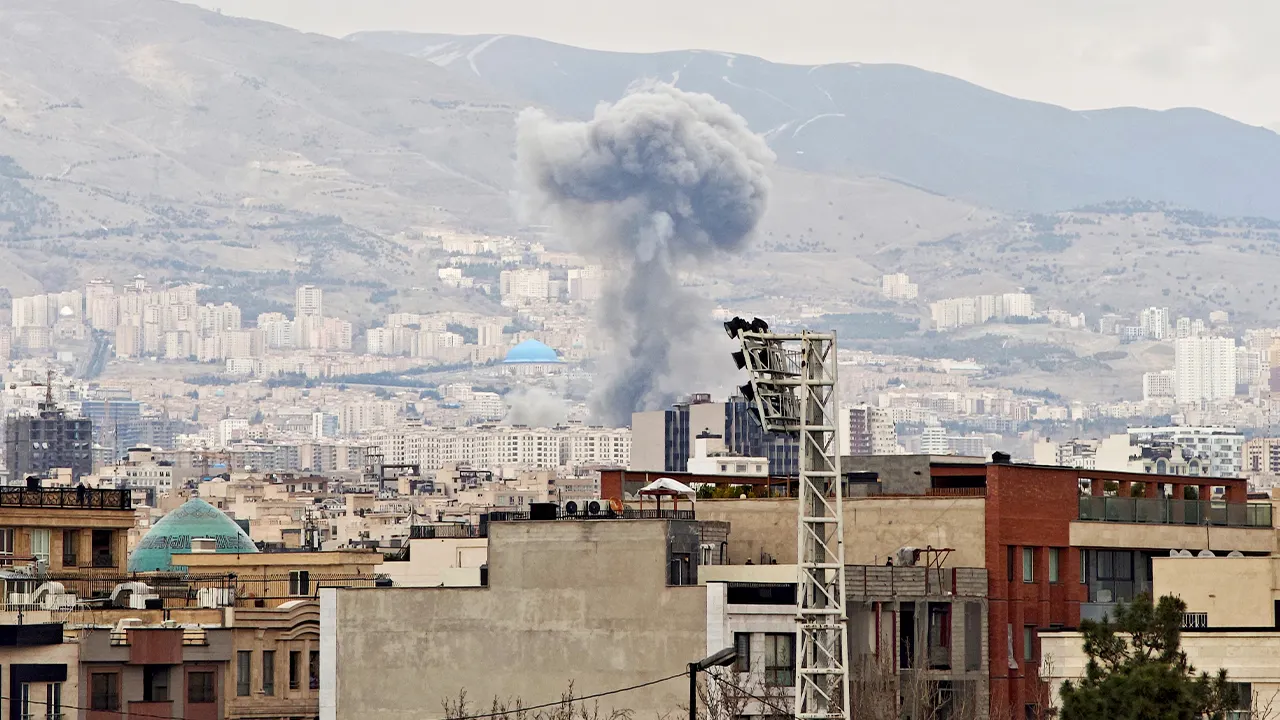
The sudden collapse of Iran’s top leadership after coordinated strikes in February 2026 forced a stark reassessment of risk, reward and national purpose. This piece argues that the operation was less a one-off military move than part of a broader Republican-minded strategy to secure American economic and technological dominance. It traces how energy chokepoints, mineral flows and digital routes have become strategic terrain and why acting when Iran’s leverage was constrained made sense. The goal here is to explain the strategic logic without getting lost in partisan finger-pointing.
The immediate violence and disruption grabbed headlines, but a conservative view looks past the drama to the systems at stake. Protecting shipping lanes, semiconductor supply chains and subsea cables is national defense work as much as it is economic policy. When adversaries can threaten those nodes, deterrence must include both military and industrial responses.
TEL AVIV ANALYST SHELTERS FROM 30 MISSILE SIRENS IN 48 HOURS, SAYS IRAN ‘WON’T RECOVER’ This blunt headline captures the shock and the opportunity that policymakers saw. If Tehran’s networks were fraying under sanctions and internal stress, a calibrated operation could reduce long-term threats to allied infrastructure. Republicans favor decisive action when strategic windows open rather than hoping threats will fade on their own.
Iran sits astride one of the world’s most consequential waterways, the Strait of Hormuz, and that geography matters to everyone who buys gasoline or runs factories. Intermittent harassment of tankers or GPS jamming raises costs across global markets and invites inflationary pressure back home. Ensuring clean, reliable access to markets is a clear national interest and part of a modern security doctrine.
The country is also rich in minerals that matter for the future economy, including copper, zinc and deposits linked to battery and electronics production. Those resources are increasingly central to competition over clean energy and defense materials. From a strategic standpoint, allowing rival blocs to secure those inputs unchecked would be a mistake.
Connectivity projects and new trade corridors changed the calculus for when to act. Initiatives meant to reroute Eurasian commerce toward aligned partners began reaching decisive stages, and strategic planners worried that instability could derail those investments. Republican strategy tends to favor striking while the balance favors the United States and its partners.
GORDON SONDLAND: NO MORE ‘RESTRAINT’: EUROPE MUST STAND WITH AMERICA ON IRAN That sentiment reflects a coalition-minded, stern approach to deterrence and alliance management. Building resilient economic networks is not solely a domestic task; it demands partners who will safeguard shared interests. The strike timing dovetailed with diplomatic pushes to bind partners into alternative supply chains.
Sanctions had clearly begun to bite, with revenues squeezed and currency value deteriorating, constraining Tehran’s options. Proxy networks showed signs of strain as logistics and coordination frayed under pressure. Those conditions generate the narrow operational windows that prudent strategists seek to exploit rather than squander.
DOUG SCHOEN: AS A DEMOCRAT, I BACK TRUMP’S IRAN STRIKE — MY PARTY IS WRONG That line, preserved here exactly, signals cross-aisle recognition that security sometimes requires bold moves. For Republicans, demonstrating resolve protects both immediate safety and long-term economic projects. When parliaments and markets move to secure alternative routes, military timing can tip strategic balance in favor of freedom and rule-based commerce.
New partnerships on minerals and data infrastructure are already reshaping competition, and those projects are fragile in their early stages. If Tehran or its proxies could have destabilized ports, cables or production hubs as investments matured, the cost to allied economies would be severe. Acting to preserve those nascent networks aligns with a conservative emphasis on strategic foresight.
HORMUZ ERUPTS: ATTACKS, GPS JAMMING, HOUTHI THREATS ROCK STRAIT AMID US-ISRAELI STRIKES The chaotic reality in the waterway underscores why physical security and economic policy now share the same mission. Military moves that bolster confidence in transit security incentivize private investment and deter future disruption. Republicans argue that safe commerce is a core part of national defense.
Still, military action never guarantees tidy outcomes, and Iran retains the capacity to retaliate in ways that will keep the region volatile. Domestic political consolidation in Tehran could stabilize or further entrench dangerous tactics. The prudent course is to combine firmness with sustained alliance-building and investment in resilient industrial systems.
KEANE WARNS IRAN STRIKE BECOMING ‘REGIONAL WAR,’ SAYS THREE GULF STATES PREPARING FOR COMBAT That warning matters because it reminds us that tactical wins can have strategic costs if not managed with realpolitik and steady alliances. The Republican case here is for a posture that blends military precision with economic hardening, ensuring the systems that power modern life remain secure. The events in Iran are a chapter in that larger contest over routes, minerals and data that will define global power for years ahead.
