
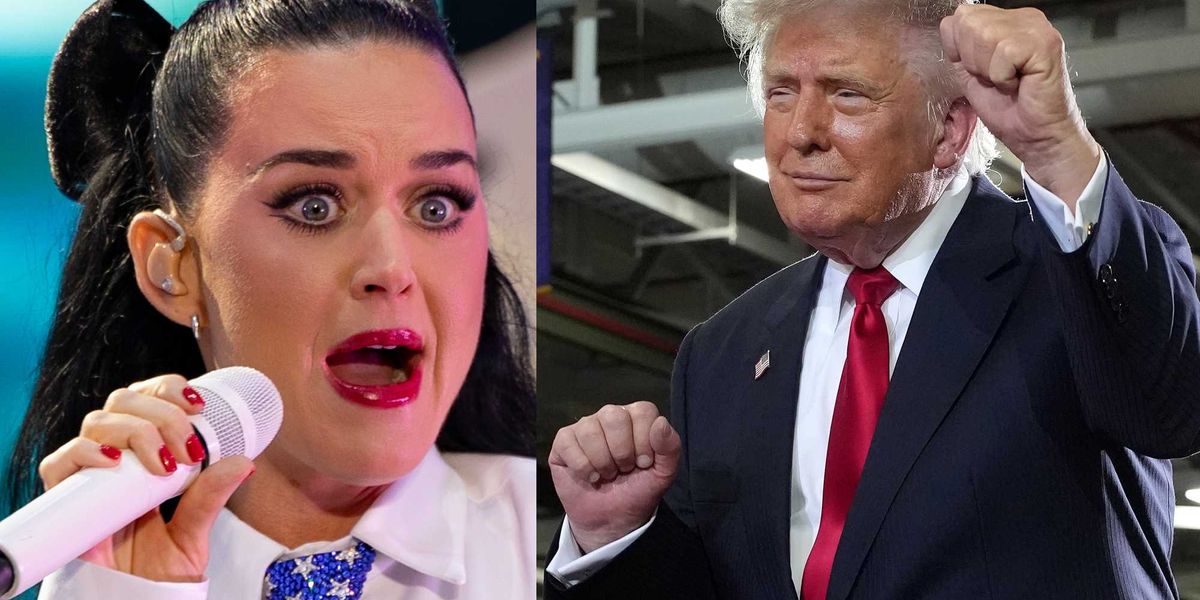
Katy Perry is not happy, and the reason is simple: her music was used in a pro-military post tied to the Trump team. The move lit up social media fast, pulling together celebrity branding, political messaging, and the never-ending fight over who gets to use what online.
At the center of it all is a familiar flashpoint, where pop culture collides with public office and nobody wants to be the one left looking like they got played. The whole thing also shows how quickly a short video or post can turn into a bigger argument about respect, image, and control.
Perry’s frustration makes sense in a world where songs are not just background noise anymore. They are part of a brand, part of an identity, and sometimes part of a political tug-of-war that spirals before anyone has time to cool off.
The post in question leaned into a pro-military message, and that alone was enough to stir the pot. When a huge name like Perry gets dragged into that kind of content without a warm welcome from her side, the backlash comes fast and loud.
For the Trump team, this kind of messaging is not new. They have always understood that strong visuals, recognizable songs, and sharp cultural signals can help drive attention, especially on platforms where people scroll before they think.
That is exactly why this blew up so quickly. It was not just about a song being used, but about what that song was used for, and who got to frame the moment.
In today’s social media world, a post can feel tiny and still hit like a hammer. A few seconds of audio, a military theme, and a political message can set off a chain reaction that reaches fans, critics, and anyone with an opinion.
Perry’s reaction also taps into a broader issue that keeps coming up with celebrities and campaigns. Public figures want their work protected from being pulled into messages they do not support, while political teams want to grab anything that helps them connect with an audience.
That clash is not going away anytime soon. If anything, it is getting sharper as more of politics gets packaged for TikTok-style viewing, where style often matters just as much as substance.
There is also the bigger question of tone. A pro-military post can land very differently depending on the audience, and once a major pop star is involved, the tone becomes part of the story whether anyone likes it or not.
People online are already treating the dispute like another example of how messy modern political messaging can get. One side sees a patriotic push, the other sees overreach, and the celebrity in the middle sees a piece of her work tied to something she did not sign up for.
That tension is what gives the story its bite. It is not just about one song or one post, but about the constant struggle over image, ownership, and how far political messaging can reach before it starts stepping on someone else’s name.
For Perry, the annoyance is easy to understand because this kind of thing has become part of the cost of fame. When your voice is recognizable enough to move people, it can also be borrowed, stretched, and dropped into situations you would never choose for yourself.
And for the Trump camp, the episode is another reminder that every cultural choice comes with a reaction attached. In a media environment this loud, even a short clip can turn into a full-blown fight before the day is over.
