
Fantasy works best when it feels bigger than the moment, richer than shock, and brave enough to make wonder matter. The genre has always thrived on dragons, quests, peril, sacrifice, and the stubborn belief that goodness can still win without being sanitized or fake. What’s missing now is not darkness, but purpose, and that gap has pushed a lot of modern fantasy toward cheap intensity instead of lasting magic.
That tension is easy to spot when looking at the giants who built the genre’s modern identity. Tolkien and Lewis created worlds where danger was real, but evil was never dressed up as something noble or exciting. Their stories held on to the idea that courage costs something, and that a great tale should lift the reader instead of flattening everything into grit.
By contrast, a lot of today’s fantasy leans hard on graphic content and calls it maturity. Sex and violence show up everywhere now, often used like a shortcut to make a story seem bold, edgy, or grown-up. The problem is that the shock wears off fast, while the feeling that something deeper was sacrificed lingers much longer.
That shift shows up in some of the most popular books on the market, especially in the booming young adult space. Series such as “A Court of Thorns and Roses” and “Fourth Wing” are often shelved and sold in ways that make them look harmless to younger readers, even when the content is far from it. The issue is not just explicit material, but the way it has become normalized as part of the packaging.
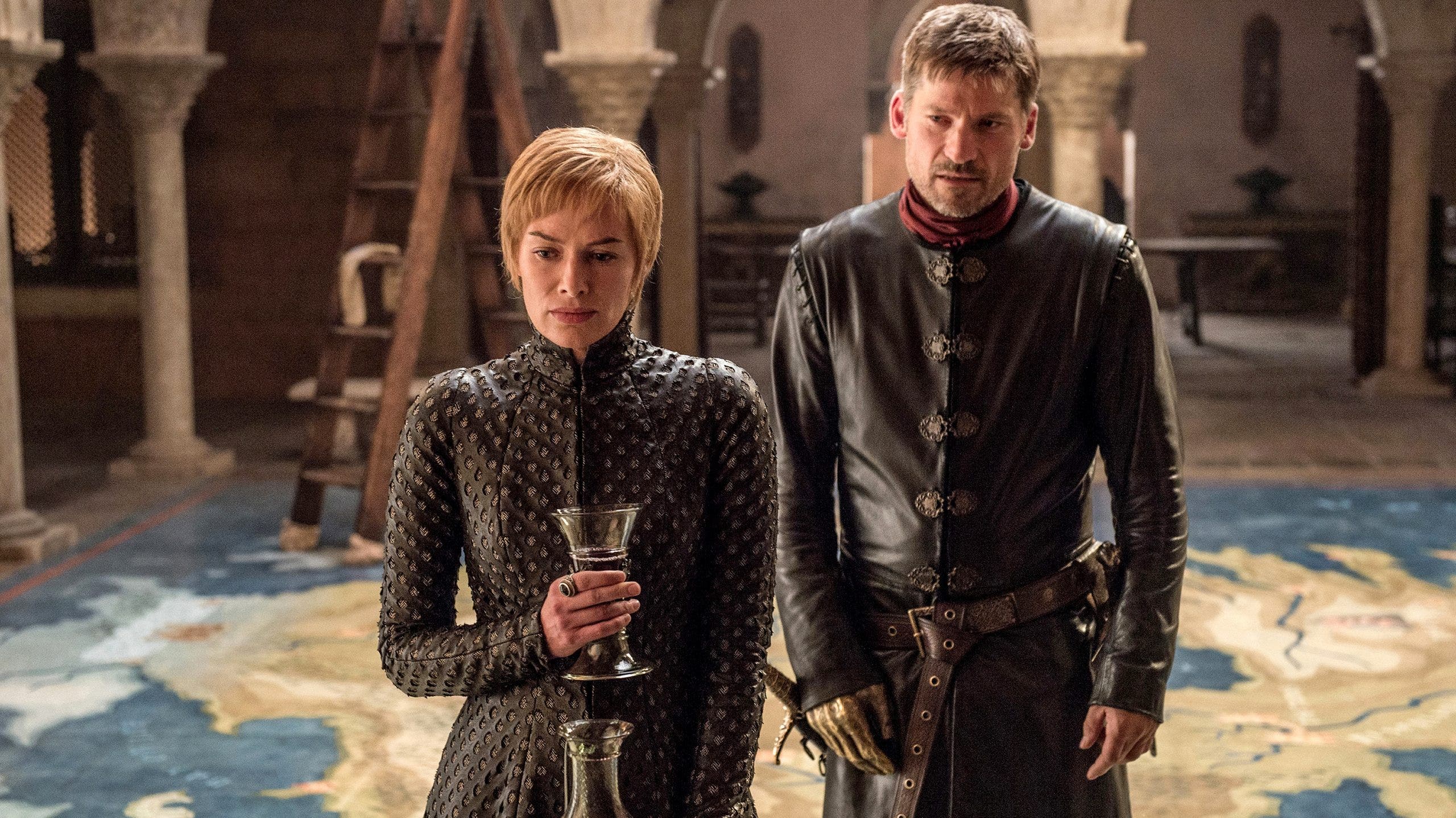
“Game of Thrones” pushed that trend to its extreme and helped make the whole thing feel standard. It proved that audiences will tolerate a huge amount of sexual violence and moral grime, but popularity is not the same as artistic health. When a story keeps reaching for excess, it starts to lose the very wonder that once made fantasy feel alive.
That doesn’t mean fantasy should become timid or childish. Dark themes, monsters, betrayal, and loss have always belonged in the genre, and they still do. The difference is whether those things serve the story or simply clutter it up with material meant to provoke rather than move.
Good fantasy should ask hard questions without turning evil into entertainment. It should let readers feel the weight of corruption, the cost of sacrifice, and the danger of power without making everything seem hopeless or morally blurry. When that balance is right, the darkness has texture, not just noise.
There’s also a growing hunger for stories that actually mean something. Fans keep showing up for epic worlds because they want heroism, loyalty, humor, and beauty, not just ugliness with a costume on it. The appetite for wonder is still there, which makes the current obsession with bleakness feel even more out of step.
That hunger puts pressure on creators in every corner of the industry, including those who want to build from conservative or faith-based values. Strong values can’t rescue weak storytelling, flat characters, or lazy world-building. Audiences can spot a sermon pretending to be an adventure, and they usually run from it.
What Tolkien and Lewis understood is that truth lands best when the craft is strong enough to carry it. Their worlds felt alive because they were built with care, patience, and confidence in the power of story itself. Fantasy does not need another round of empty darkness posing as depth, because the real prize is a world that invites readers to care, fear, hope, and keep turning the page.
