
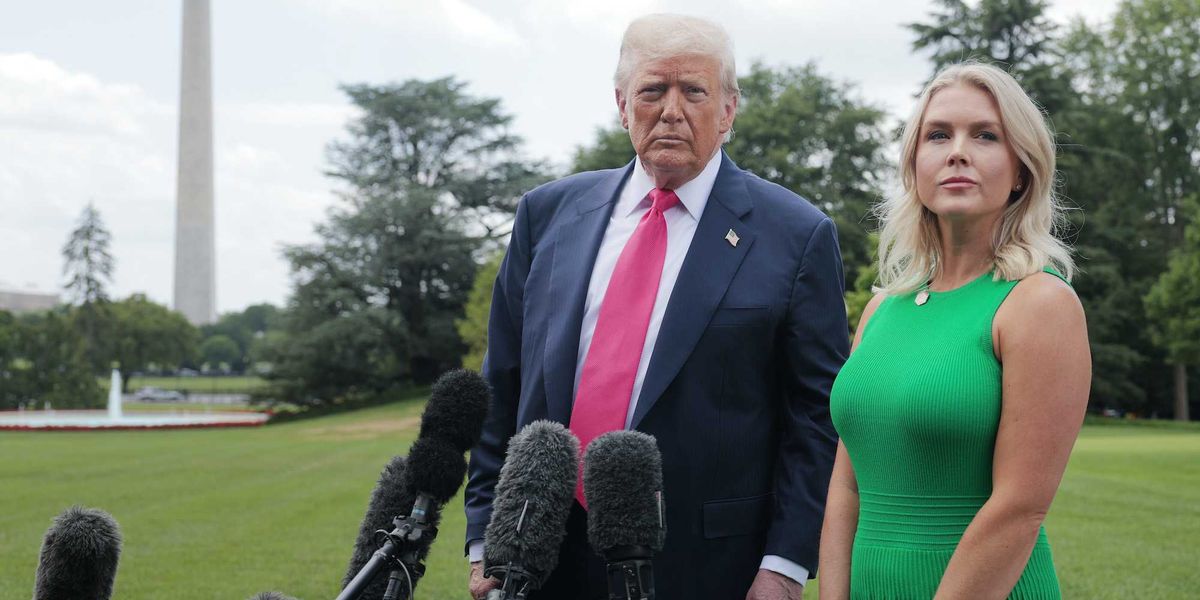
Karoline Leavitt is expected to leave the White House, a move that has sparked fresh attention around Donald Trump’s team and what comes next inside the administration. The announcement puts a spotlight on a familiar Trump pattern: loyal aides rise quickly, handle the heat, and then step aside as the political machine keeps moving. That kind of turnover may be routine in Washington, but it still sends a strong signal when one of the most visible voices in the press operation is on the way out.
Leavitt’s role has made her one of the more recognizable faces in the Trump orbit. As press secretary, she has been the person often tasked with pushing back hard, keeping the message tight, and turning the daily fight with the media into something the base can rally around. Her departure raises immediate questions about who steps into that lane and how the White House plans to keep its communications sharp.
The bigger story is not just about one staff change. It is about a White House that has never hidden its preference for speed, loyalty, and constant motion over polished, slow-burn bureaucracy. Trump has always leaned toward people who can take pressure, move fast, and stay on script when the cameras are rolling, and Leavitt fit that mold in a way that made her a natural part of the operation.
For Republicans, the message here is pretty straightforward. A press office that fights back without blinking matters, especially in a political environment where the media cycle can turn on a dime and every slip gets magnified. Leavitt became part of that aggressive posture, helping keep the administration’s voice loud, direct, and impossible to ignore.
At the same time, turnover in a high-profile job like this can create its own kind of buzz. Supporters often see it as part of the grind, while critics look for signs of instability even when the changes are simply part of how Trump runs his team. Either way, when a press secretary exits, it is never a small thing, because that job sits right at the center of the message war.
The timing also invites speculation about what direction the White House wants next. Some administrations go soft in the briefing room, trying to smooth things over and avoid collisions, but that has never been Trump’s style. The expectation is usually the opposite, a sharper edge, a tougher tone, and someone who can walk into the storm without flinching.
Leavitt’s profile grew because she understood the rhythm of Trump politics. The audience for this kind of communication is not just reporters in the room, but voters watching clips, reading headlines, and deciding whether the administration sounds strong or shaky. In that sense, the press secretary job under Trump is as much about combat as it is about explanation.
There is also the personal side of it, which gets overlooked in the daily noise. High-pressure political roles burn people out fast, especially when every day brings another round of attacks, expectations, and viral moments. Even the strongest communicators eventually hit a wall, and departures like this can reflect the sheer strain of being in the middle of nonstop political warfare.
Trump’s team will now have to show that the transition does not slow anything down. The White House message machine needs to keep moving, keep fighting, and keep making the case in a way that feels confident rather than defensive. In a town that thrives on drama, this is one more reminder that the real action is often happening behind the podium.
