
Some places don’t just change scenery, they change the way people move through the world. Montana has a way of trimming the excess, and that can hit especially hard for someone raised in the South, where conversation often comes dressed up in warmth, timing, and a little extra polish.
What stands out first is the silence. In Montana, silence can feel like a full sentence, not an awkward gap, and that alone can be a shock for anyone used to filling every pause with talk, jokes, or polite chatter. It is not coldness so much as a different kind of social rhythm, one that expects people to mean what they say and then let it breathe.
That kind of directness can be bracing. In the South, people often soften a point before landing it, while Montana tends to prefer the clean hit, straight and unwrapped, with no need for decorative tissue around the truth. For a storyteller, that difference does more than change dialogue, because it changes the shape of how people notice one another.
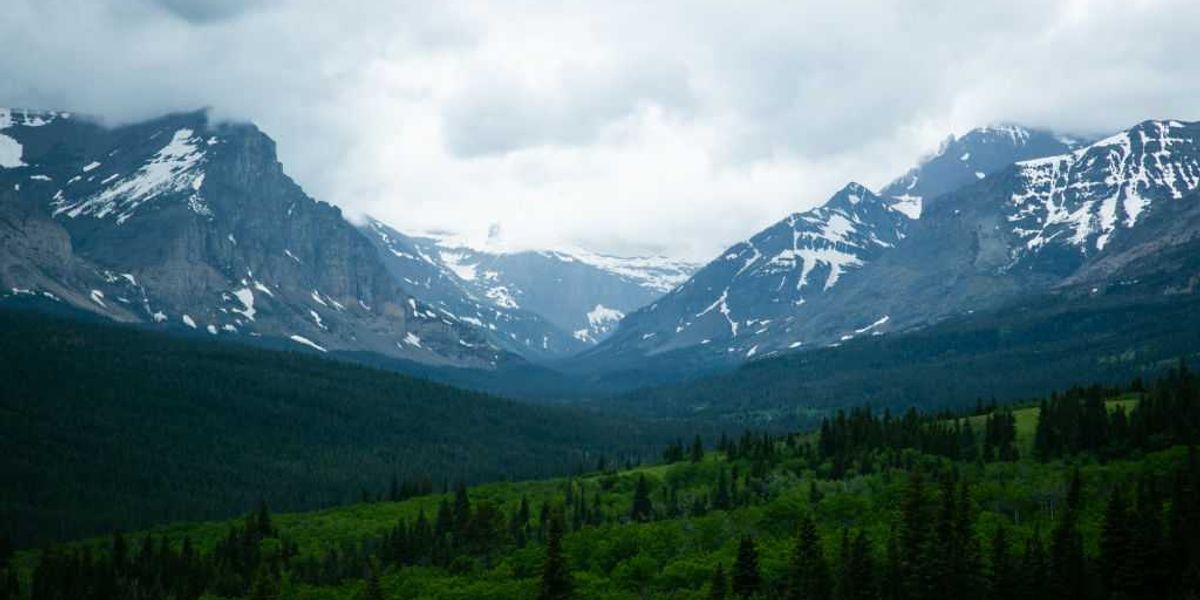
There is also the matter of scale, and it matters more than outsiders expect. Big skies, open roads, and the kind of emptiness that can swallow a voice make it harder to hide behind habit or noise. In that setting, a person starts to hear their own thoughts a little more clearly, and sometimes that is exactly the adjustment that shakes loose old assumptions.
The South and Montana both have their own forms of toughness, but they wear them differently. Southern toughness often arrives with manners, humor, and a steady instinct to keep the peace, while Montana toughness can feel stripped down, plainspoken, and almost bare. Neither style is better, but the contrast can teach a person how much culture shapes even the smallest exchanges.
Humor changes too, and that can be one of the funniest surprises. In the South, a joke may come wrapped in a story, a wink, and a roundabout path that gives everybody time to get in on the laugh, while Montana can be quicker and drier, with less ceremony and a sharper edge. That difference can be rough at first, but it also reveals how laughter works as a kind of local language.
Music and memory play into all of it as well. A person who has spent time around Tennessee and the South may hear community in every porch conversation, every song lyric, every small exchange that keeps a town stitched together, and Montana can feel like the opposite at first, more spread out and less eager to announce itself. But even there, quiet carries its own music, especially when the land itself feels like the main instrument.
Animals have a way of making those lessons impossible to ignore. A pony, for instance, does not care about regional etiquette, family habits, or storytelling style, and that kind of blunt presence can be oddly clarifying. Around creatures like that, people are reminded that much of what feels important in human conversation is really just trimming, while the essentials are much simpler: patience, attention, and a little humility.
That is where the real lesson lands, and it lands hard. Travel does not just show off new places, it exposes the habits people carry like invisible luggage, especially the reflex to keep talking when listening would do more good. Montana, with its wide spaces and no-nonsense manners, can make a Southern storyteller quieter in the best possible way, and that quieter voice often has more room to tell the truth.
