
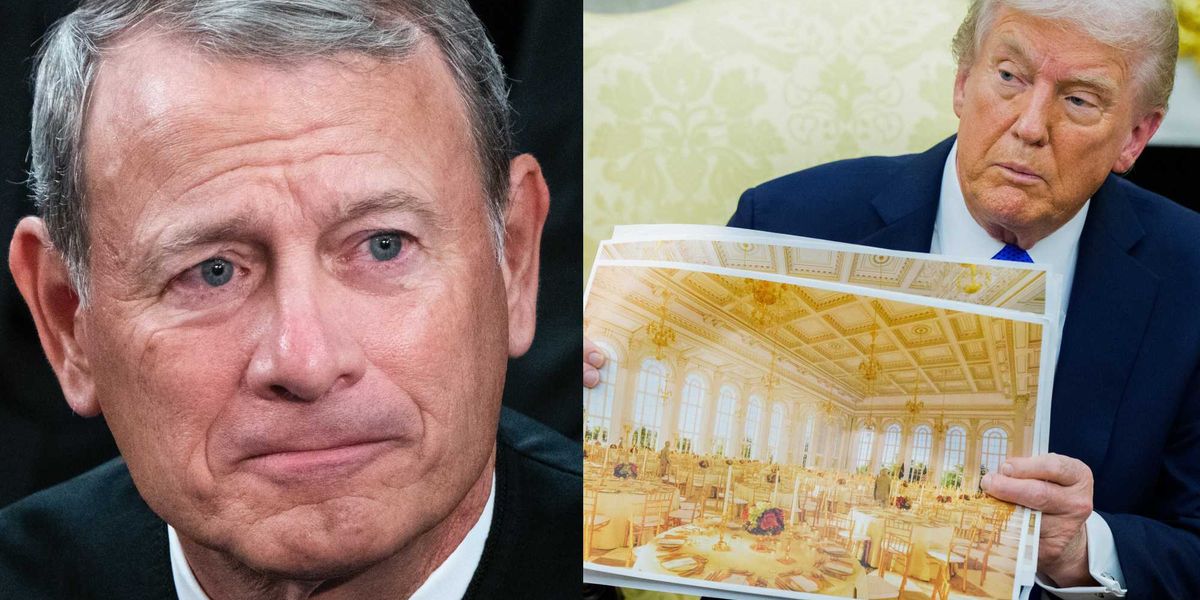
The Supreme Court handed the Trump White House a major win by clearing the way, at least for now, for the administration’s ballroom project at the White House. The decision keeps the fight alive, but it gives the president room to keep moving while the legal clouds hang overhead. The dispute has quickly turned into another test of executive power, federal oversight, and how far the courts are willing to go in slowing a White House plan.
At the center of the clash is a project tied directly to Trump’s vision for the White House grounds, one that opponents have tried to halt through the courts. The administration has pushed back hard, arguing that the project falls within the president’s authority and should not be tangled in delay after delay. The high court’s move does not settle everything, but it signals that the administration’s side is getting a serious hearing instead of an automatic shutout.
For Trump, the ruling fits a familiar pattern. His team has often treated legal battles as obstacles to be met head-on, not as reasons to back away, and this case is no different. Supporters see the ballroom plan as another example of Trump trying to leave his mark on the presidency in a bold, unmistakable way.
Critics, of course, are furious. They frame the issue as another example of Trump pushing too hard and testing the edges of presidential power, while his allies say that is exactly the kind of fight voters expected when they sent him back to Washington. That split has made the ballroom dispute more than just a construction fight; it has become a symbol of the larger battle over how much control a president should have over the executive branch’s own house.
Supreme Court decisions like this often matter as much for what they allow as for what they refuse to settle. By letting the project proceed for now, the justices have kept the administration from being boxed in by lower-court action while the legal process continues. That kind of temporary relief can change the tone of a case fast, especially when the stakes are tied to a signature presidential project.
The White House ballroom itself has become the kind of story that draws instant attention because it mixes power, image, and politics all in one place. Trump has always understood the value of visible moves that make a statement, and a project like this does exactly that. It sends a message about permanence, authority, and confidence, which is why the fight around it has been so intense.
The ruling also puts pressure on the broader legal fight surrounding the administration’s actions. Every new case gives the court another chance to show whether it will step in quickly, hold back, or let the executive branch act first and sort out the details later. In this case, the answer so far has been clear enough to matter, even if the final chapter is still unwritten.
Trump allies are likely to treat the decision as proof that the administration can still score meaningful victories in court when the issue involves presidential prerogative. That matters in a Washington environment where every delay is often treated like defeat and every win becomes a signal to keep pressing forward. The ballroom battle now sits in that same lane, with momentum at least temporarily on the White House’s side.
Even with the legal fight still open, the message from the court is hard to miss. The administration gets breathing room, the project stays alive, and the broader argument over presidential power keeps rolling on with plenty of fuel left in the tank. For Trump, that is the kind of opening that invites the next move, not a pause.

2 Comments
IF it ever gets Built right
Trump has a long track record of building things right.