
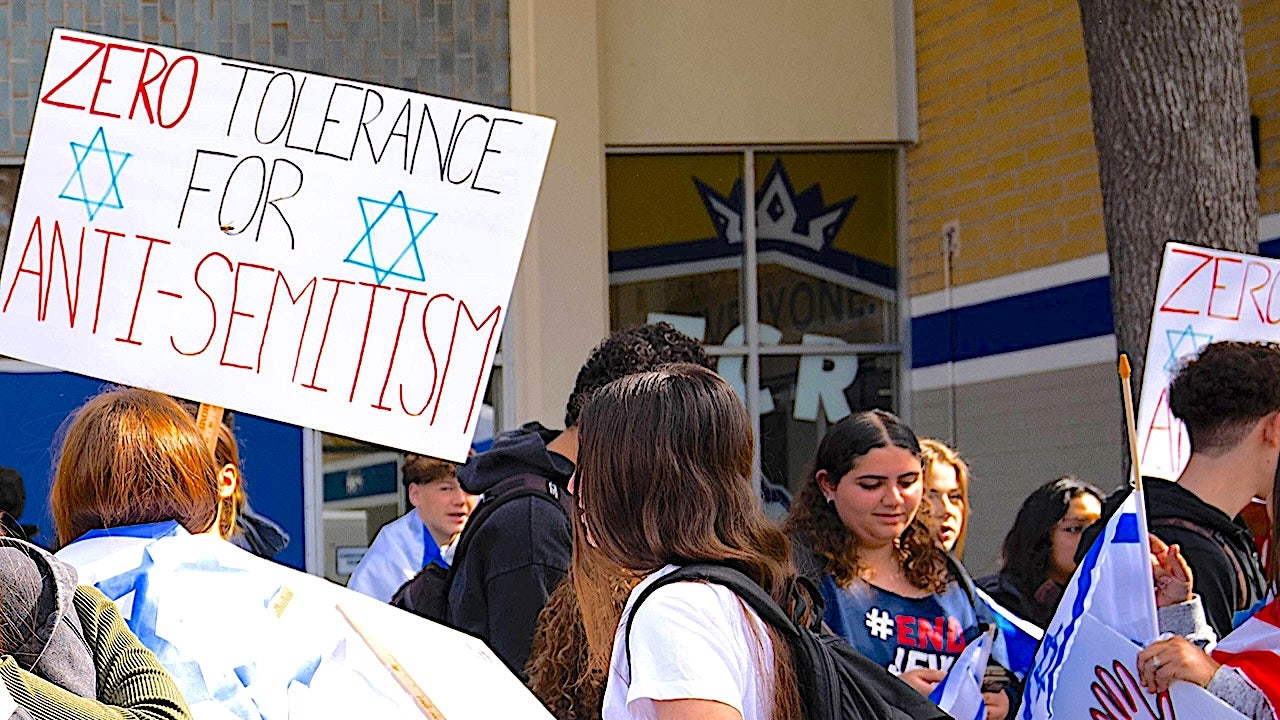
The Super Bowl briefly focused the nation on antisemitism, but the attention faded quickly while the problem kept following Jewish students back into hallways and classrooms. This piece looks at what those young people face every day, the quieter spaces where they find strength, and why long-term community-building matters more than a single public moment. It argues that real resilience grows from relationships, shared rituals, and consistent support, not just headlines.
FROM HOMEROOM TO HATE: HOW JEWISH STUDENTS ARE FACING A NEW KIND OF PRESSURE IN PUBLIC SCHOOLS captures a sharp contrast many teens live with: a fleeting national spotlight versus the steady, daily reality in schools. In February a message about antisemitism reached a massive audience, clear and hard to ignore. For a little while the country talked about a problem Jewish communities have been navigating for years.
What will be different when I come back? is the question many Jewish teens are asking as the school year winds down and lockers are cleaned out. Summer looks like a break for most students, yet for Jewish teens it can feel like a pause before seeing whether the next term will be safer or lonelier. That uncertainty hangs heavy for those who have faced harassment at school.
Across the country, Jewish students still encounter real antisemitism in classrooms and online. Some are shouted at, called “baby killers,” or told that “Hitler should have finished the job.” Others wake up to swastikas on school walls, receive threats in hallways, or are mocked simply for being Jewish.
At the same time, many schools host spaces where Jewish students choose to gather and explore identity in healthier ways. I lead NCSY and the Jewish Student Union, and in over 550 middle and high schools students are opting into clubs and programs that feel welcoming. These are not compelled meetings but communities that invite curiosity, conversation, and genuine connection.
Those gatherings often include non-Jewish classmates who want to learn about Judaism, Israel, or what Jewish life looks like today. In those rooms students ask tough questions, laugh, eat together, and form friendships that outlast a passing news cycle. These moments aren’t defined by fear; they are defined by openness and pride.
That kind of belonging builds a different kind of strength, one that doesn’t evaporate after a single interview or headline. A teen who has experienced Shabbat, who has friends across backgrounds, and who feels rooted in tradition develops emotional and psychological resilience. That resilience helps when a cruel comment lands in a hallway or a hurtful post appears online.
It matters that adults inside and outside schools treat antisemitism as an ongoing responsibility, not a one-time statement. Schools, communities, and policymakers must address harassment directly and enforce policies that protect students. At the same time, statements and awareness campaigns alone won’t create lasting change.
SIGN UP FOR ANTISEMITISM EXPOSED NEWSLETTER signals how many approaches are needed, from public education to grassroots community work. The deep work is about building identity through ritual, relationships, and repeated positive experiences. Those repeated experiences teach young people who they are long before hostility tries to define them.
Decisions being made now will shape what students walk into next fall, from whether new Jewish Student Union clubs open to which summer programs help teens prepare. Parents are talking with administrators and community groups are planning for the months ahead. These conversations determine whether a Jewish teen returns to school feeling supported or alone.
This work rarely headlines a national broadcast, and it won’t be the Super Bowl ad that sustains a young person’s confidence. Instead it is the steady, patient investment in kids’ lives: extracurriculars, conversations at home, supportive teachers, and welcoming club spaces. Those are the practices that change a student’s daily experience.
By the end of summer, students will come back and quickly sense whether adults treated this as a passing moment or as a real responsibility. They are paying attention to who showed up, who listened, and who built something that lasts. They will know whether the attention translated into action.
