
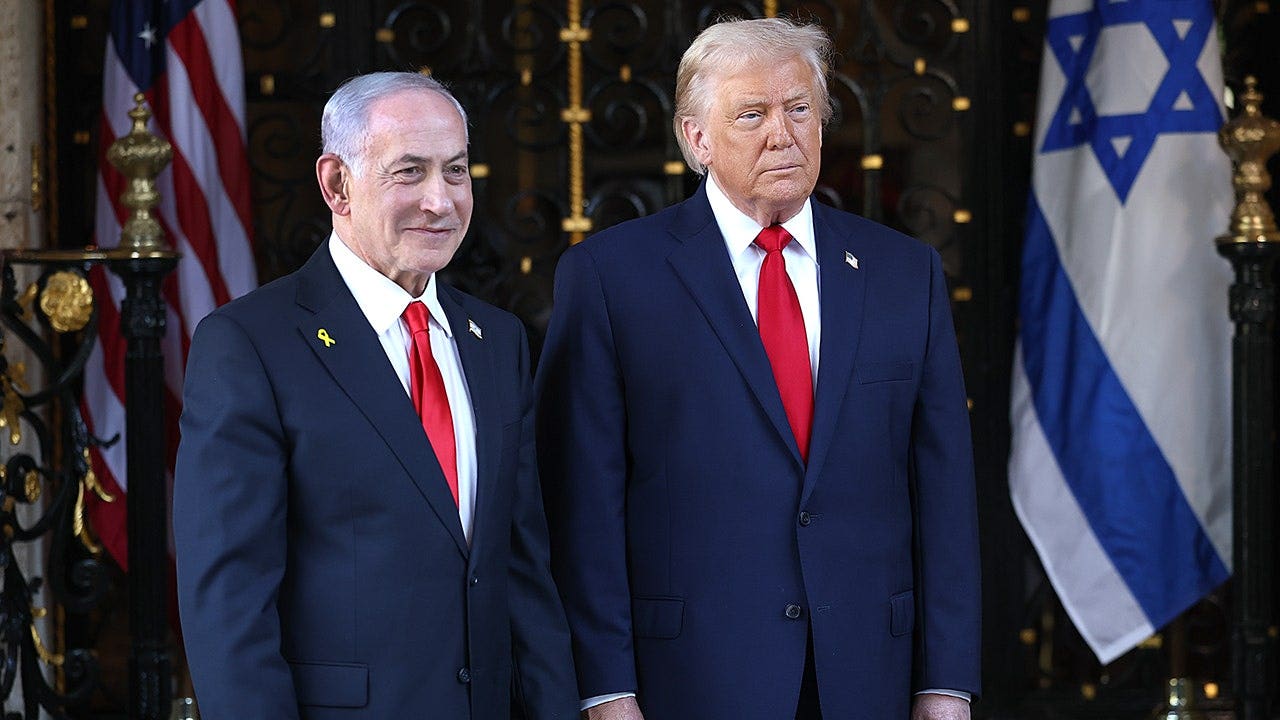
America’s aid to Israel is often framed as a simple expense, but that misses the bigger picture. The relationship has deep roots, major strategic value, and real returns in intelligence, defense, and regional stability. What looks like a cost on paper often functions like a bargain in practice.
Every few years, the same question comes up: why does the United States send billions to Israel? With the national debt towering and defense spending already enormous, skepticism is easy to understand. Still, the smarter question is not just what America gives, but what America gets back.
The answer starts with the unique role Israel plays in a rough neighborhood. Britain, Japan, South Korea, Australia, and Poland are all important partners, but Israel stands out for the mix of intelligence strength, battlefield innovation, cyber skill, and democratic durability it brings to the table. Few allies offer that many benefits in one place.
That did not happen by accident. The partnership has developed over decades, from early recognition after Israel’s independence to a tight Cold War alliance and then a broader security relationship shaped by terrorism, Iran, and fast-moving regional threats. Presidents from both parties have kept that bond alive because it consistently serves U.S. interests.
The money question also deserves a reality check. The roughly $3.8 billion in annual security assistance sounds large until it is stacked against America’s overall defense budget. As a share of the total, it is small, especially when measured against the strategic value it helps preserve.
What does America receive? Plenty. Israeli intelligence has helped uncover terror plots, track Iranian activity, and expose weapons networks, while joint work has advanced missile defense and other military technologies. Systems tied to Iron Dome, David’s Sling, and Arrow are not just symbols of cooperation, they are practical tools that save lives and shape how modern warfare is fought.
That cooperation also reaches beyond the battlefield. The defense relationship supports American industry through co-production and purchases that feed jobs, sustain manufacturing, and strengthen the military supply chain. In other words, the aid is not simply money leaving the country, because a meaningful portion comes back through contracts, technology sharing, and industrial demand.
Israel’s value is not only military. It is also the Middle East’s most durable liberal democracy, with elections, courts, a free press, and a political system that gives Arab citizens a real place in public life. The region around it is crowded with authoritarian rule, so that democratic anchor matters more than many people want to admit.
None of that means Israel should get a pass on every issue. Friends can and should disagree, and Washington should push back when it thinks Israel is wrong. But criticism is not the same as walking away, and serious alliances do not survive on emotional reactions alone.
The danger of losing Israel is easy to underestimate. If it disappeared, Iran would gain enormous influence, extremist groups would celebrate, and moderate Arab states would lose a crucial security partner. Russia and China would also move fast to fill the vacuum, and the United States would likely have to spend far more to contain the fallout.
That is the uncomfortable math behind the debate. Replacing Israel’s intelligence network, military know-how, deterrent power, and regional stability would cost far more than maintaining the alliance now. The partnership is not charity, and it is not a sentimental gesture. It is one of the clearest examples of America getting serious security value for a relatively modest price.
