
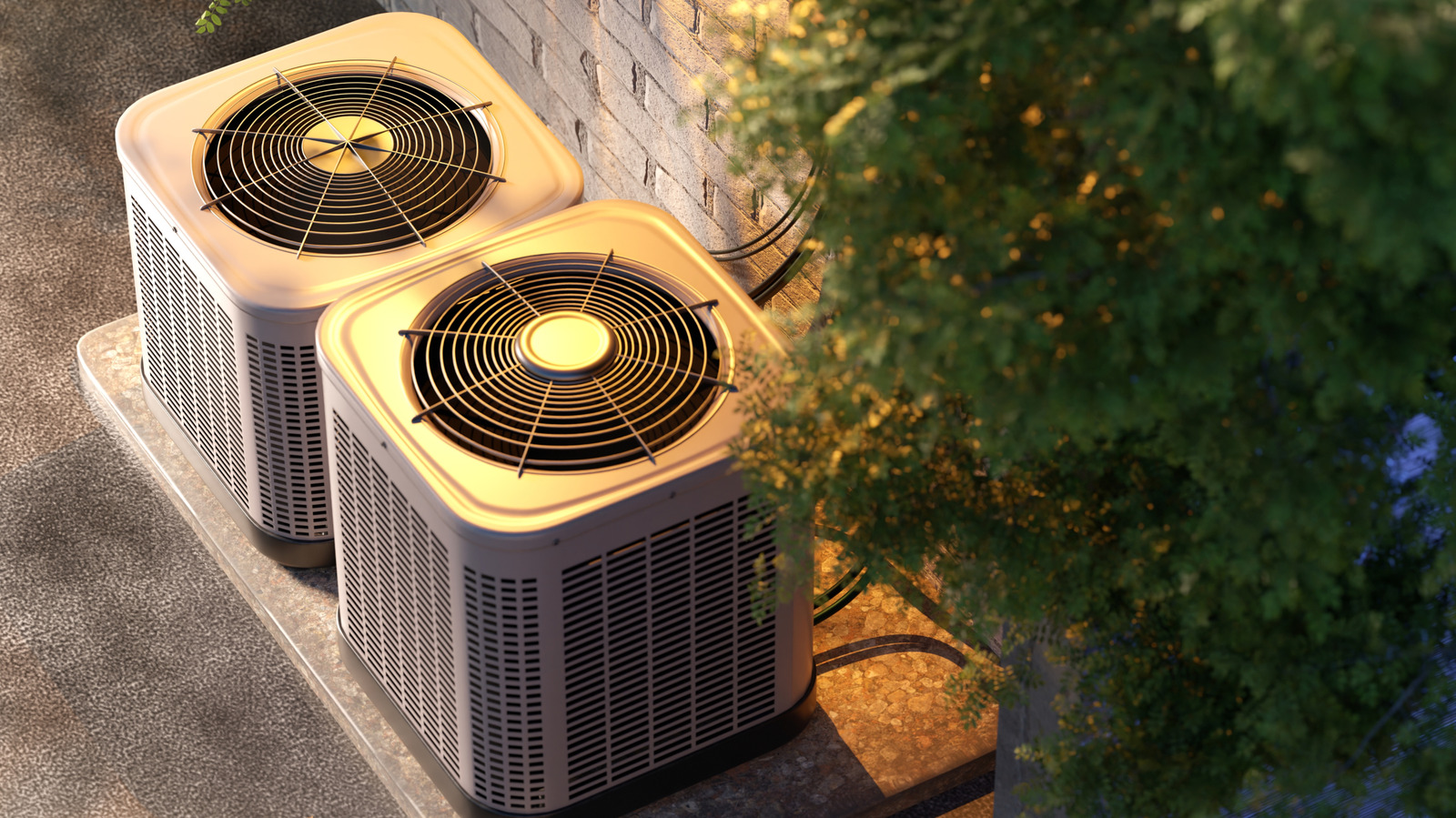
- HVAC systems take the biggest bite out of household energy use.
- Heating and cooling demands vary by climate and home age.
- Water heaters rank as another major energy user in the home.
- Heating fuel type changes how much energy space heating consumes.
- Simple efficiency habits can help reduce overall consumption.
When it comes to home energy use, the biggest drain is rarely the thing sitting quietly in the corner. Heating and cooling systems usually dominate the bill because they work hard, run often, and have to respond to outside temperatures that never seem to cooperate. For many households, that means the HVAC setup is doing more to shape monthly costs than any other appliance in the house.
That heavy demand is easy to miss because HVAC work feels routine. Air conditioning gets hammered during hot stretches, while space heating takes over when the weather turns cold, and both can add up fast over a year. In fact, nationwide household data shows that heating and cooling can make up more than half of total residential energy use, which is a huge share for just one system.
Climate plays a big role in how that usage shakes out. Colder regions naturally burn more energy on heating, while hotter regions lean harder on cooling, and older homes can be even less efficient because they leak air and struggle to hold a steady indoor temperature. Newer homes are not automatically perfect, but houses built in the late 20th century often have different energy demands than more modern construction.
The type of heating fuel matters just as much. Natural gas remains a major player for space heating in many homes, while electric heating behaves differently and often uses less energy on an annual basis in the average household. Homes that rely on propane, fuel oil, or kerosene can land in a much more energy-hungry zone, depending on how the system is set up and how much heat the house actually needs.
Water heating is the other heavyweight in the home energy game. It does not usually get the same attention as HVAC, but it still pulls a serious amount of power over the course of a year because showers, laundry, and dishwashing never really stop. Unlike heating and cooling, water heating tends to show a fairly steady pattern across regions, which makes it one of the most predictable major energy users in a household.
The interesting part is how close some homes run to the edge without realizing it. A drafty house, a clogged filter, or a thermostat set too aggressively can push an already expensive system into even higher consumption. That is why energy use often has less to do with one giant mistake and more to do with a steady pileup of small inefficiencies.
There are still easy ways to keep the biggest power hog from getting even hungrier. Clean filters help air move more freely, better insulation keeps treated air from slipping away, and fewer thermostat changes can stop the system from constantly chasing a new target. Those are simple habits, but they can take real pressure off a home’s overall energy load.
Even with those tweaks, the HVAC system is still likely to sit at the top of the list. That is just the nature of heating and cooling a home, especially when the weather refuses to stay in one lane for very long. The good news is that once the biggest users are understood, the bill starts looking a lot less mysterious and a lot more manageable.
