
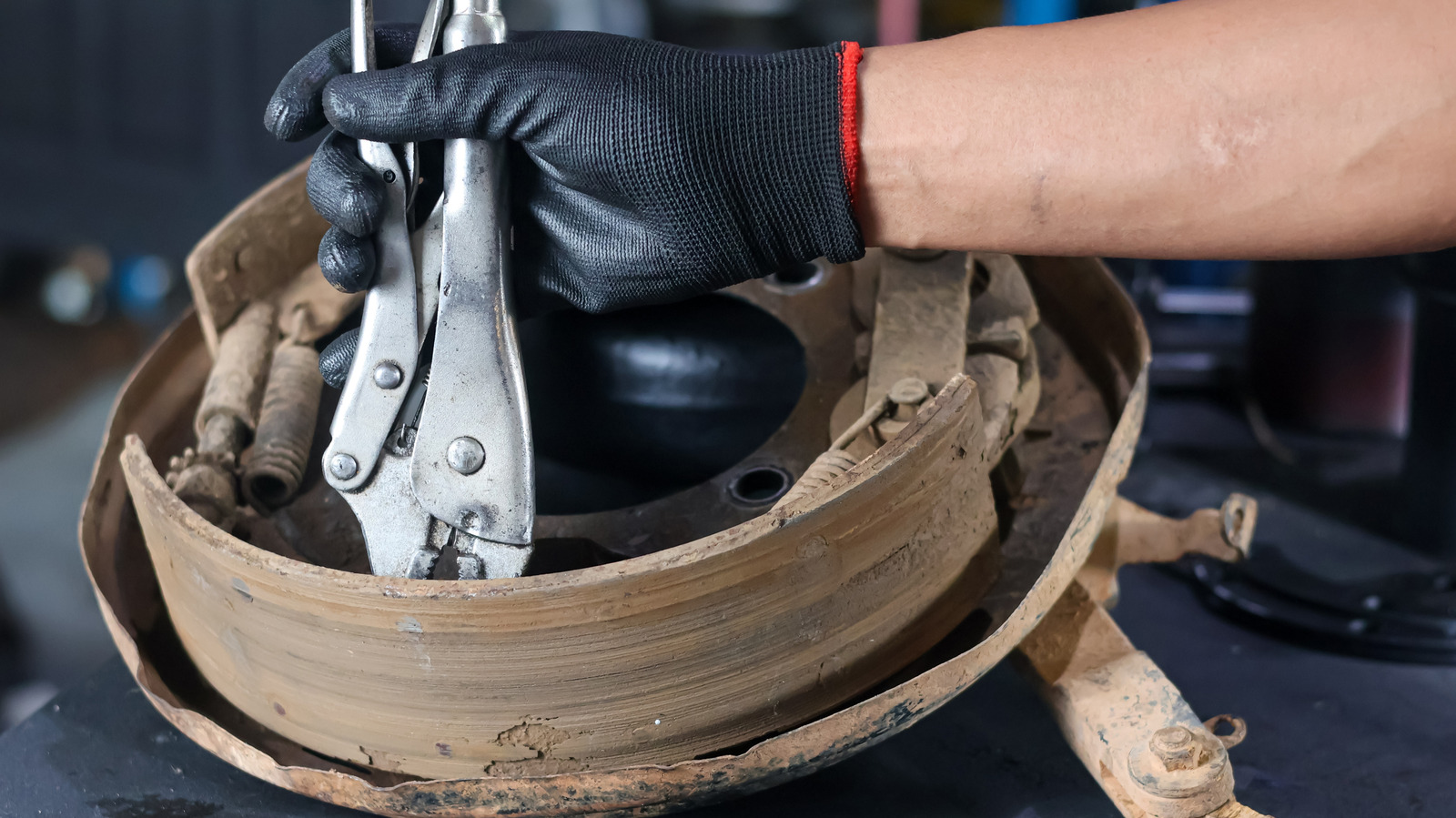
Locking pliers have been a toolbox regular for generations, but one small upgrade has quietly changed how useful they can be. A built-in Allen socket on the adjustment screw makes it possible to crank down the grip with far more force, turning a familiar hand tool into something steadier, tougher, and far less annoying to use.
Vise-Grips have been around since the 1920s and earned their reputation the hard way, by being the kind of tool that just keeps working. They hold bolts, pinch parts in place, and clamp down on jobs where slipping means wasted time or a mess of frustration. For years, though, the tightening screw was mostly handled by hand, which worked fine until it did not.
That old setup had a built-in limit. When the screw was only snugged up by fingers, the pliers could still shift under pressure, especially on stubborn hardware or when the tool had to hold firm while drilling, sanding, polishing, or wrenching. A little looseness can ruin the whole point of locking pliers, and that is where the Allen socket changes the game.
With the socket, the adjustment screw can be driven with a hex key or an impact driver fitted with an Allen bit. That extra leverage lets the jaws lock down harder and faster, which is especially handy when hands are gloved up, greasy, or just trying to move quickly through a job. The tool stops feeling like it is almost tight enough and starts behaving like it actually means business.
Speed matters too. Instead of removing the pliers, adjusting them by hand, then clamping them back on and hoping the fit is right, the socket lets the user make quick, precise changes in seconds. It trims the fiddly part out of the process, which is exactly the kind of improvement that makes an old tool feel new again.
The real payoff shows up with worn or crusty tools. Corrosion, dirt, paint, and long years of use can make an adjustment screw annoying to turn, especially when fingers keep sliding off the head. A hex key gives a much better bite and enough force to wake up a stubborn screw that would otherwise fight back.
That said, the feature still is not universal, and that is part of the surprise. Some locking pliers include the socket, while plenty of others still do not, even though the idea sounds like an obvious win. Many users only discover the difference after comparing tools side by side, which makes the upgrade feel a little like a hidden bonus rather than a standard feature.
For anyone putting together a garage kit or replacing an old pair, the detail is worth checking before buying. Locking pliers already earn their keep as a versatile grab-and-hold tool, but the Allen socket adds a layer of control that can save time and frustration in the middle of a job. It is the kind of small mechanical tweak that does not scream for attention, yet makes every squeeze feel a lot more deliberate.
