
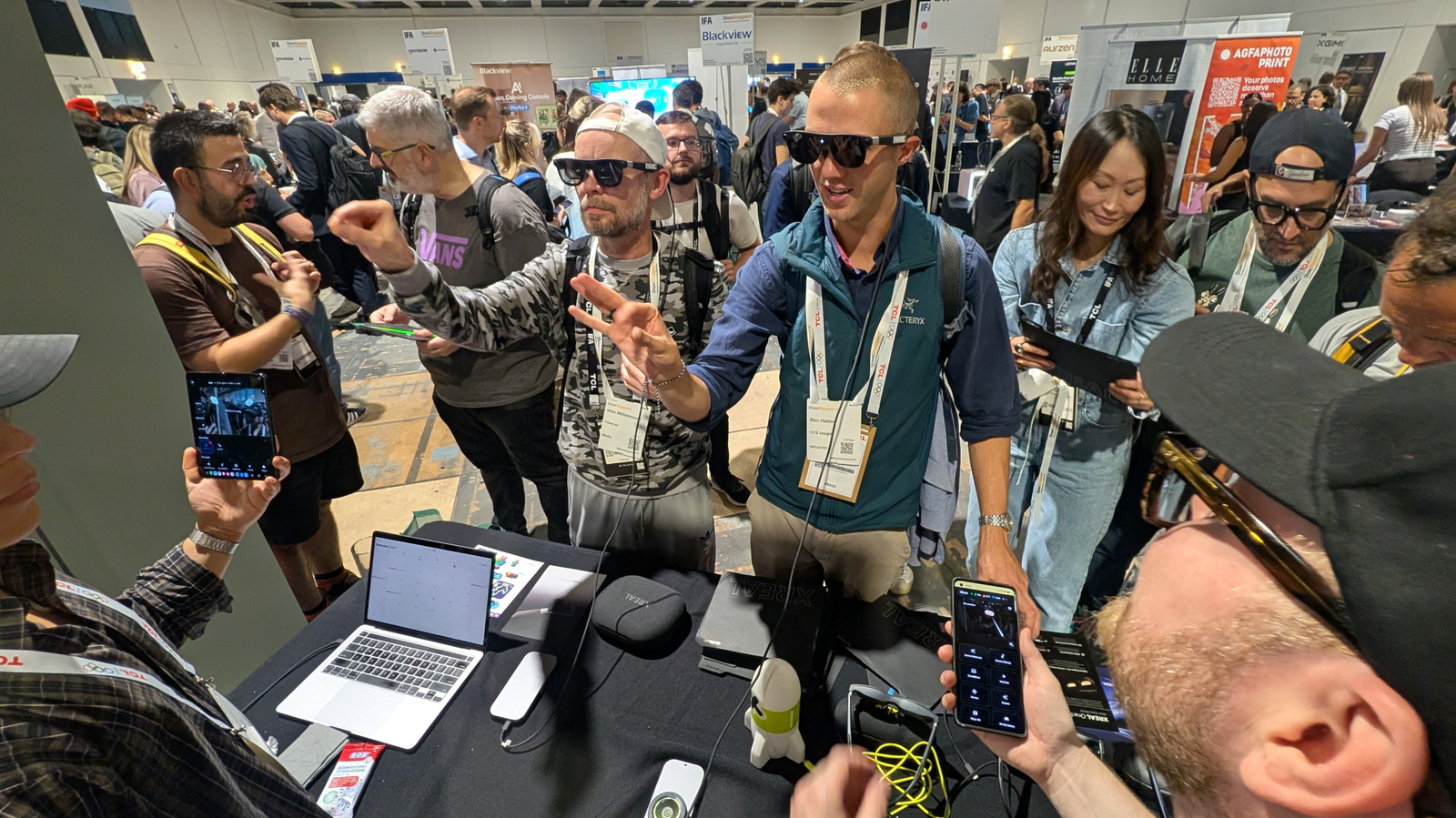
Berlin brought out the gadget weirdness, the polished prototypes, and the products that actually felt ready for real life. IFA 2026 was packed with everything from ultra-thin laptops and clever cameras to bright projectors, tiny AI helpers, and even a plant buddy with attitude. The standout gear here mixed genuine utility with enough flair to make the whole show feel electric.
Lenovo grabbed attention with Project Aeroblade, a concept laptop that swaps traditional fans for solid-state cooling. That move helps the machine stay slim, quiet, and unusually light while still delivering serious performance. At around 10 mm closed and just 830 grams, it lands in that rare zone where a concept starts to feel less like a stunt and more like a possible future.
Bvio’s Violoop also earned a spot by making AI feel a little less vague and a lot more physical. It connects directly to a computer, sees what is on screen, and can act using natural language commands instead of layers of menus and scripts. The privacy controls and visible activity cues help calm some of the usual AI nerves, even if the Kickstarter launch adds a touch of uncertainty.
The camera category got especially lively thanks to HoverAir Versa and Hohem Eyepic, two devices that refuse to stay in a single lane. The Versa works as a 4K gimbal camera, then transforms into a flying drone when its wings attach, which is exactly the kind of hardware mashup that gets attention fast. Hohem’s Eyepic takes a different route, turning its camera into a detachable action unit with a magnetic back, accessory support, and vertical video chops aimed straight at social platforms.
Tecno’s Camon Slim 5G was more about design flex than pure usefulness, but it still made an impression. By pushing the screen all the way to the edges and stripping away the bezel look people have gotten used to, it delivers a phone that feels almost unnervingly sleek. It may never become the new standard, but as a prototype, it proves there is still room for surprise in smartphone design.
Projectors showed up strong too, with Aurzen and Xgimi both bringing serious firepower. Aurzen’s Zip Pro tightens up the portable projector idea with a brighter 1080p image, built-in speakers, USB-C support, and a tri-fold design that doubles as its own stand. Xgimi’s Aura 3 Max goes bigger and bolder, throwing a 120-inch image from just inches away while pumping out 4K at 120Hz and enough brightness to hold its own in a lively room.
PlantSenso Pro was the kind of gadget that sneaks up on you with charm. It tracks soil conditions with sensors and pairs the data with a digital character that reacts like a needy little pet, turning basic plant care into something oddly playful. For anyone who has ever overwatered a fern and felt personally attacked by the leaves, it hits a very specific nerve.
Not every device on the floor was a full home run, but a couple of honorable mentions still stood out. Motorola’s Moto Watch Ultra looks ready to swing above its weight, while N+ and Volkswagen put a lot of smart-bike ambition into one expensive package with radar, a rear camera, turn signals, and even helmet and glasses integration. That kind of hardware points to a future where mobility, safety, and connectivity keep getting mashed together in stranger and smarter ways.
