
By OBBM Network Editorial Staff
Derived from an episode of As A Man Thinketh – Yanasa TV.
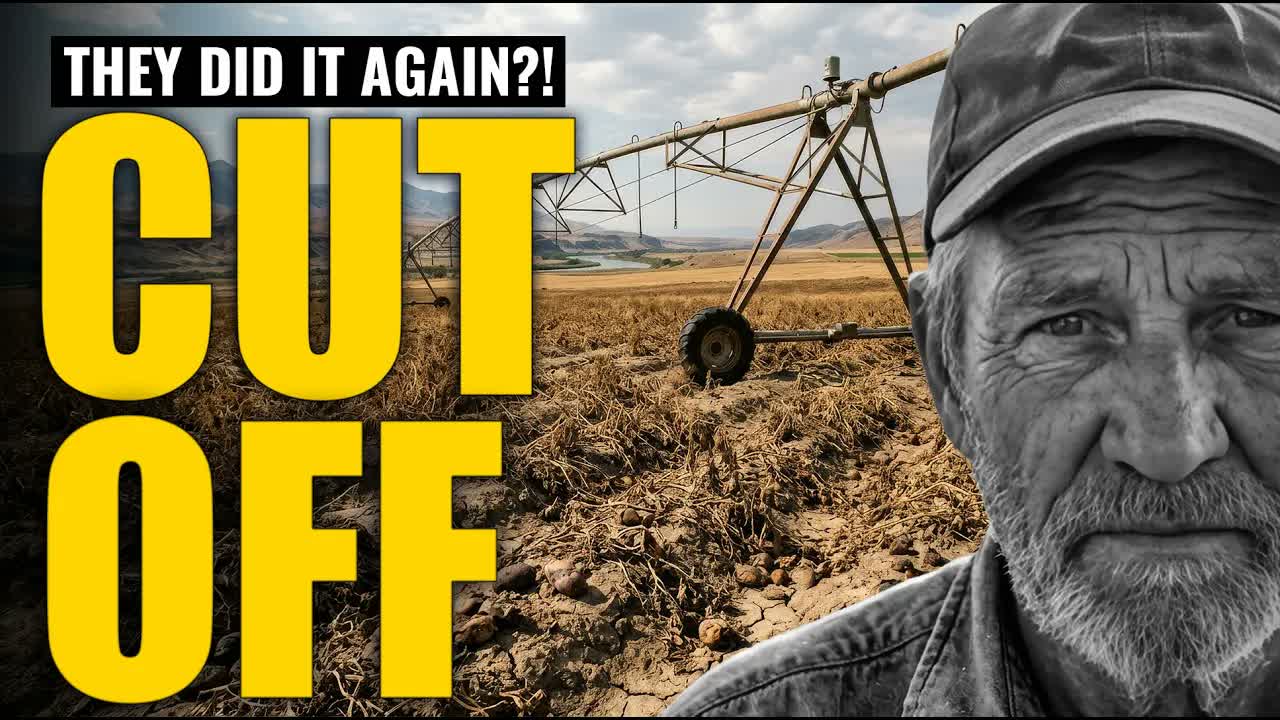
What if the lifeline you’ve relied on for generations could be severed without warning? This unsettling reality is what Idaho farmers face as they grapple with looming water curtailments. The state’s agricultural sector is under immense pressure as water rights disputes resurface, threatening livelihoods and impacting food supply chains.
The Crisis Unfolds
In a recent discussion on As A Man Thinketh – Yanasa TV, Charlie Rankin delves into the ongoing water crisis plaguing Idaho’s farmers. The situation echoes the turmoil of 2024 when over half a million acres of farmland were left without water due to legal curtailments. A temporary agreement has been reached between junior and senior water rights holders, but it offers only a brief respite, much like a ceasefire in a prolonged conflict.
The threat of water curtailment is not a new challenge for Idaho farmers, but it is one that has grown increasingly severe. The Idaho Department of Water Resources issued a curtailment order that affects six groundwater districts, impacting half of all groundwater acres in the Eastern Snake River Plain. This decision strikes at the heart of Idaho’s agriculture, known for its critical contributions to the nation’s food supply, including potatoes and other staple crops.
Economic Implications for Farmers
The timing of these water shutoffs exacerbates the financial strain on farmers. As highlighted in the Yanasa TV episode, curtailments often occur midseason, after farmers have already invested heavily in planting. With input costs such as seed, fertilizer, and labor already committed, the abrupt loss of water threatens to bankrupt operations. “The cost is huge,” Charlie notes, emphasizing that margins are thin and the stakes are high.
This economic pressure is compounded by the fact that most farmers operate with narrow profit margins. The financial gamble of planting without guaranteed water access places them in a precarious position, as they weigh the risks of proceeding under such uncertainty. The recurring nature of this crisis raises questions about the sustainability of current water management policies.
Legal and Environmental Challenges
The core of the problem lies in Idaho’s water rights law, where senior water rights take precedence over junior rights. This legal framework often results in the curtailment of junior rights, despite visible water availability. The intricacies of the state’s water system, described metaphorically as a “giant leaky bathtub,” make precise management and distribution challenging, relying heavily on predictive modeling.
Drought conditions, exacerbated by low snowpack levels, have intensified the pressure on water resources. The state’s declaration of a drought emergency reflects the severity of the current situation, with projections indicating continued water stress throughout the growing season. These environmental factors further complicate the already strained relationship between surface and groundwater users.
Efforts Toward Resolution
In response to this ongoing crisis, Idaho’s government has taken steps to address the issue through legislative measures. Senate Bill 1128 aims to invest $30 million into improving water infrastructure projects, a move intended to mitigate conflicts and support sustainable water usage. However, the implementation has been slow, and the existing legal framework remains unchanged, leaving the enforcement of curtailments as the default solution.
Despite these efforts, Charlie points out that nothing substantial has changed since the 2024 crisis. With the same legal mechanisms still in place, the cycle of uncertainty continues. As a result, the future of farming in Idaho remains uncertain, with water rights and environmental conditions dictating the viability of agricultural endeavors.
Conclusion: A Call for Action
The persistent water crisis in Idaho underscores the urgent need for comprehensive, long-term solutions that balance legal rights, environmental realities, and economic viability. As farmers face another season of uncertainty, the stakes are higher than ever. The situation calls for innovative water management strategies and increased investments in infrastructure to secure the future of Idaho’s agricultural landscape.
The full episode of As A Man Thinketh – Yanasa TV is available on OBBM Network TV.
Watch As A Man Thinketh – Yanasa TV on OBBM Network TV: https://www.obbmnetwork.tv/series/as-a-man-thinketh-yanasa-tv-207902
