
I will recount a graduate student’s arrival and expectations, detail an abrupt arrest and detention tied to political speech, examine government claims and court fights over due process, highlight how the First Amendment protects lawful residents, and urge readers to demand accountable, nonpoliticized enforcement while defending free speech.
I came to the United States as a graduate student to study public and international affairs and serve the public, expecting to do so free from government retaliation for my views. I believed the First Amendment would protect my right to speak, protest, and study without fear. That belief shaped why I chose this country and this school.
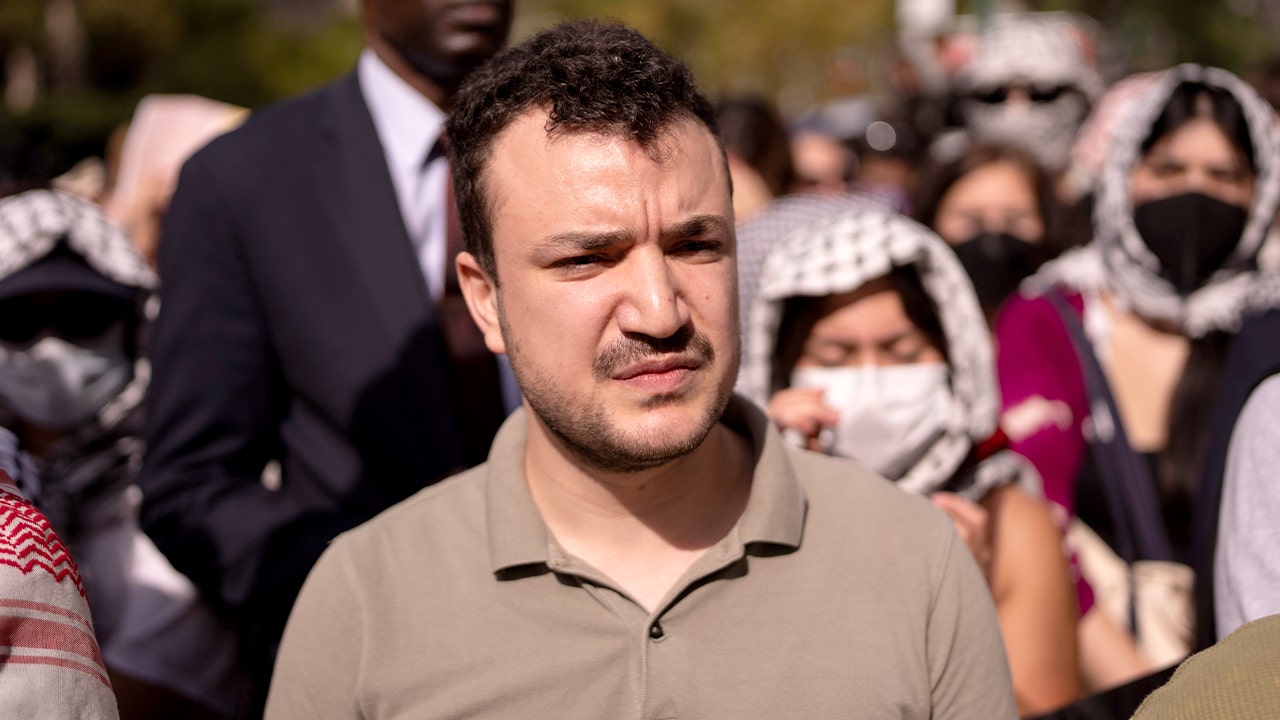
On March 8, 2025, that faith in basic protections was tested when plainclothes immigration agents took me from my apartment lobby without a warrant and sent me to a federal detention center in Louisiana. I was a green card holder with a U.S. citizen wife who was eight months pregnant, and the timing of the detention cost me the chance to be present for my child’s birth. What followed felt less like law enforcement and more like a punitive reaction to my political speech.
The administration later pointed at my public support for Palestinian rights as the reason I became a target, then pivoted to alleging fraud on my green card application after I challenged my detention. Public records later showed Department of Homeland Security had acknowledged, just a day before my arrest, that there were no problems with the application because the information was complete and accurate. That sequence looks like selective enforcement, and selective enforcement smells political.
MAMDANI TELLS TRUMP ADMINISTRATION ANTI-ISRAEL ACTIVIST SHOULD ‘REMAIN IN NEW YORK CITY’ AMID DEPORTATION CASE
Other students and scholars with lawful status reported similar treatment: pulled from streets by masked officers, stopped outside homes, and even detained at official appointments. These are not isolated inconveniences; they are patterns that chill speech and academic debate. When lawful residents fear being picked up for expressing an opinion, the marketplace of ideas collapses.
The First Amendment’s reach was clarified decades ago to prevent the government from punishing people for their beliefs, whether they are citizens or not. If the executive branch can use immigration enforcement as a tool to silence dissent it dislikes, it creates a dangerous precedent that can be used against anyone. That should alarm conservatives who value constitutional limits on federal power and the protections that preserve civil society.
Legal teams argued successfully for release from detention by asserting clear constitutional protections and due process rights, but the case itself remains unresolved and could still end in deportation orders. The administration has pushed courts to delay review of constitutional claims by keeping people in immigration detention for months or longer. That argument effectively asks judges to trade constitutional scrutiny for bureaucratic convenience, and that trade harms the rule of law.
There are real safety and security tasks for immigration and border agencies to perform, and Republicans believe in enforcing immigration laws consistently and fairly. Enforcement should never be a cover for punishing political speech or for settling policy scores. Agencies must operate under clear rules, not ad hoc decisions that appear motivated by politics.
I will keep speaking for the human rights issues that brought me here, and I expect Americans of every political stripe to insist that the machinery of government remain neutral on political speech. Accountability is the remedy: demand transparency about why enforcement decisions are made, insist on timely judicial review of constitutional claims, and protect the rights of lawful residents. Defending those principles does not mean undermining enforcement; it means ensuring enforcement follows the law.
The country that once felt like a refuge from arbitrary power cannot let practices that resemble foreign repression become normal here. If activists, scholars, or residents can be detained for expressing unpopular views, then free speech in America is at risk. Hold officials to the Constitution and require that every enforcement action be justified, lawful, and free from political animus.
