
This article walks through the most common hybrid battery trouble drivers face, what causes those problems, and practical ways to spot and manage them before they become costly. You will get clear descriptions of typical symptoms, the technical reasons behind failures, realistic repair and replacement options, and straightforward maintenance steps to extend battery life. Expect a neutral, plainspoken look at how hybrid systems behave over time and what owners can do to avoid surprises on the road.
One of the first signs of battery trouble is reduced fuel economy and shorter electric-only driving windows, and drivers often notice this as a steady decline rather than a sudden drop. Battery packs age, and their usable capacity shrinks with each charge cycle, so what used to be a two to three mile electric assist might become a brief blip after several years of use. Temperature extremes speed that degradation, with heat accelerating chemical breakdown and cold temporarily limiting performance until the pack warms up.
Another common symptom is strange driving behavior tied to the hybrid control system, such as the car refusing to use electric power at low speeds or switching to gas more often than it used to. Those behaviors are frequently the result of cell imbalance inside the pack or a failing battery management system that can no longer safely manage charging and discharging. When the control system detects an unsafe condition it will intentionally reduce electric power to protect the battery, which looks like a malfunction but is actually a protective response.
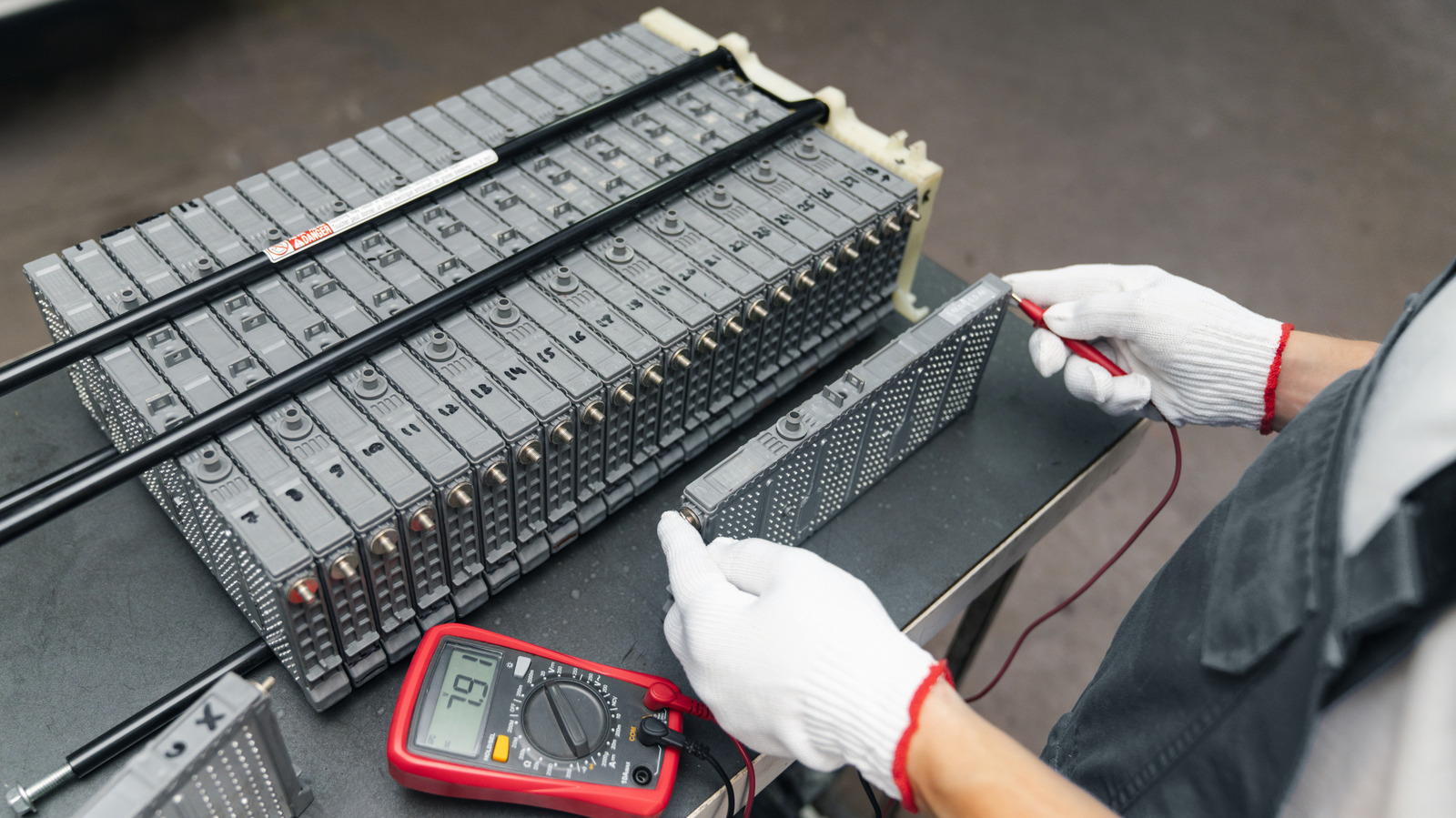
Warning lights and diagnostic trouble codes will often point to hybrid battery problems, but they can be cryptic and vary by manufacturer, so don’t ignore them even if the car still seems to run fine. Professional scan tools can read the high-voltage system and show individual cell voltages and state of charge readings, which helps pinpoint whether the issue is the battery, sensors, or the cooling system. In many cases, a simple sensor replacement or coolant flush will restore normal function, so a detailed diagnosis is crucial before committing to a full pack replacement.
Battery cooling failures are an underrated source of issues because many packs rely on active cooling to stay within a safe temperature window, and clogged ducts or failed fans let heat build up over time. When cooling is compromised, cells age unevenly and weak spots form that reduce overall pack capacity and can trigger error modes. Routine inspections of cooling components, keeping intake areas clear, and following manufacturer service intervals will prevent a lot of heat-related damage.
Cost is often the headline concern when a hybrid battery starts to fail, but there are degrees of intervention that don’t always require a full replacement from the dealer. Reconditioning services, module-level repairs, and used or remanufactured packs can cut costs substantially depending on the model and availability of parts. Warranty coverage and extended service plans matter here; many manufacturers offer long hybrid battery warranties, so checking coverage before paying out of pocket is smart.
Driving habits and charging behavior influence how long a hybrid battery will last, and small adjustments produce measurable benefits over time. Avoid constant high state of charge extremes, limit prolonged exposure to very hot environments when possible, and try to keep the vehicle in moderate temperature conditions for storage. Regenerative braking patterns can also affect stress on certain cells, so smooth, predictable driving supports greater longevity compared to frequent aggressive stops and rapid acceleration.
When replacement is unavoidable, recycling and proper disposal are critical to minimize environmental impact and comply with regulations, and many shops and manufacturers have return programs for old packs. The raw materials inside hybrid batteries are valuable and recyclable, and responsible handling prevents hazardous waste and recovers materials for future use. Ask your service provider about their end of life process so you avoid improper disposal and help close the materials loop.
Regular maintenance, early diagnosis, and sensible driving habits are the most reliable defenses against hybrid battery headaches, and taking small preventive steps pays off in lower lifetime ownership costs and fewer unwelcome surprises. If you suspect an issue, get diagnostic testing that reads the high-voltage system directly rather than relying only on generic codes or anecdotal symptoms. With the right approach, hybrid ownership can remain practical and dependable even as battery systems age.
