
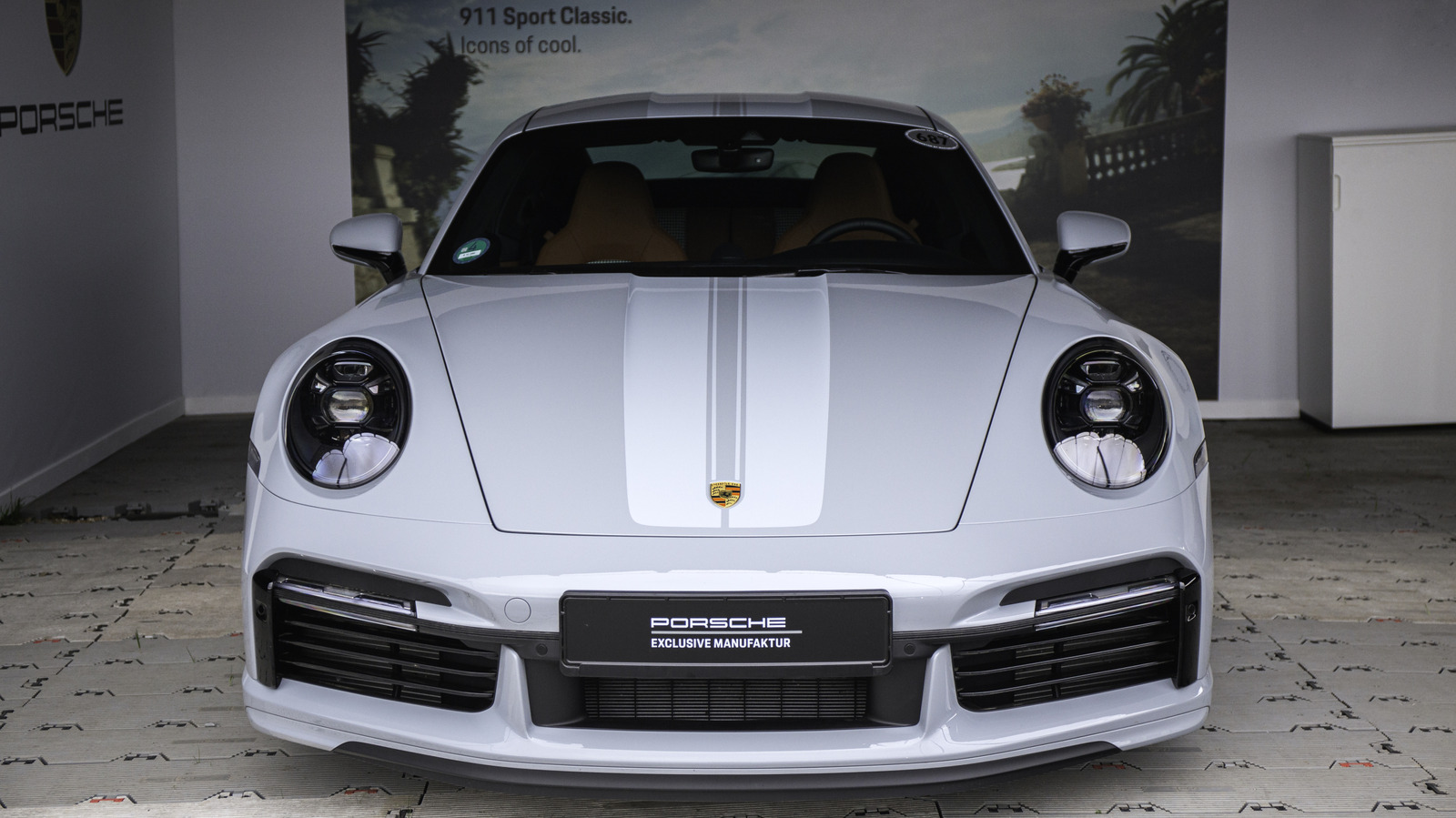
Porsche has quietly filed a patent for a paint system that changes color when electricity is applied, and this article explores what that patent could mean for cars, owners, and the auto industry if the idea ever reaches the road. We look at how the technology might work, where it could show up first, the practical obstacles it faces, and the kinds of new customization and safety features it could unlock. This is an early-stage concept, not a showroom promise, but it opens a window into how cars could look and behave differently in the near future.
The core idea in the patent is a coating that alters its appearance under an electric signal, shifting hues or patterns on demand. That puts the emphasis on control: who chooses the color, when it changes, and how quickly it responds. Imagine a car that can switch from matte black to metallic blue with a tap on a phone or automatically shift to high-visibility yellow in poor weather.
Technically, the paint could rely on electrochromic layers, microcapsules, or electroluminescent materials embedded within multiple thin coats. Those systems need a conductive layer and a power source, which means wiring and control modules integrated into the bodywork. Wiring raises questions about weight, complexity, and repairability compared with traditional paint jobs.
Durability is one of the headline challenges. Road grit, UV exposure, and routine car washes are brutal on finishes, so any active paint must resist abrasion and maintain color fidelity over time. Scratches and chips create tricky failure modes when the color is generated electrically rather than purely pigment-based. Repair processes would likely be more involved and more expensive than standard repainting.
From a safety perspective, electrically controlled paint could add useful signaling features, like making brake lights or turn indicators more visible across the car’s surface. That could improve visibility in bad weather or at night, but regulations will matter. Traffic law and vehicle standards are conservative for good reasons, and authorities will want clear, consistent signaling that can’t be confused by cosmetic changes.
Energy use also matters. Continuous illumination or rapid color cycling eats power, which is especially relevant in electric vehicles where conserving battery range is a priority. Designers would probably build in power-saving strategies, like using color change sparingly or only when the car is parked or charging. Still, any draw from the system subtracts from the vehicle’s usable range or adds complexity to energy management.
Costs will shape adoption. Initially such paint is likely to show up on concept cars or limited-run luxury models where buyers expect novelty and are willing to pay a premium. If the tech matures and production methods scale, it could seep into mainstream options as an expensive customization or subscription feature. Aftermarket solutions could emerge, but they would need to match factory standards for durability and safety.
There are also intriguing business angles: imagine color subscriptions, seasonal palettes, or branded liveries that flip on for events. Fleet operators might use dynamic colors for wayfinding or ads, while private owners use it for personalization. Of course, the more commercial the use, the faster regulators and insurers will want clear rules on what’s allowed on public roads.
Manufacturers and suppliers face a development path full of testing, from long-term weathering to crash behavior and electrical interference checks. If the coating is layered over sensors or cameras, integration will need careful engineering to avoid disrupting driver assistance systems. Real-world reliability will be the make-or-break factor for any rollout beyond showrooms.
Competition in surface tech is heating up across the industry, with coatings that self-heal, repel dirt, or absorb solar heat already under development. Electrically active color adds another dimension, and it may be only a matter of time before more firms file similar patents or demo prototypes. But patents are blueprints; bringing a new finish to a production line and daily driving conditions is a long, costly climb.
In short, Porsche’s patent hints at a future where a car’s appearance can be part of its feature set rather than a fixed attribute, offering fresh customization and potential safety benefits. Whether that future arrives on a mass scale depends on solving durability, regulatory, and cost hurdles, and on whether drivers value the trade-offs enough to pay for them.
