
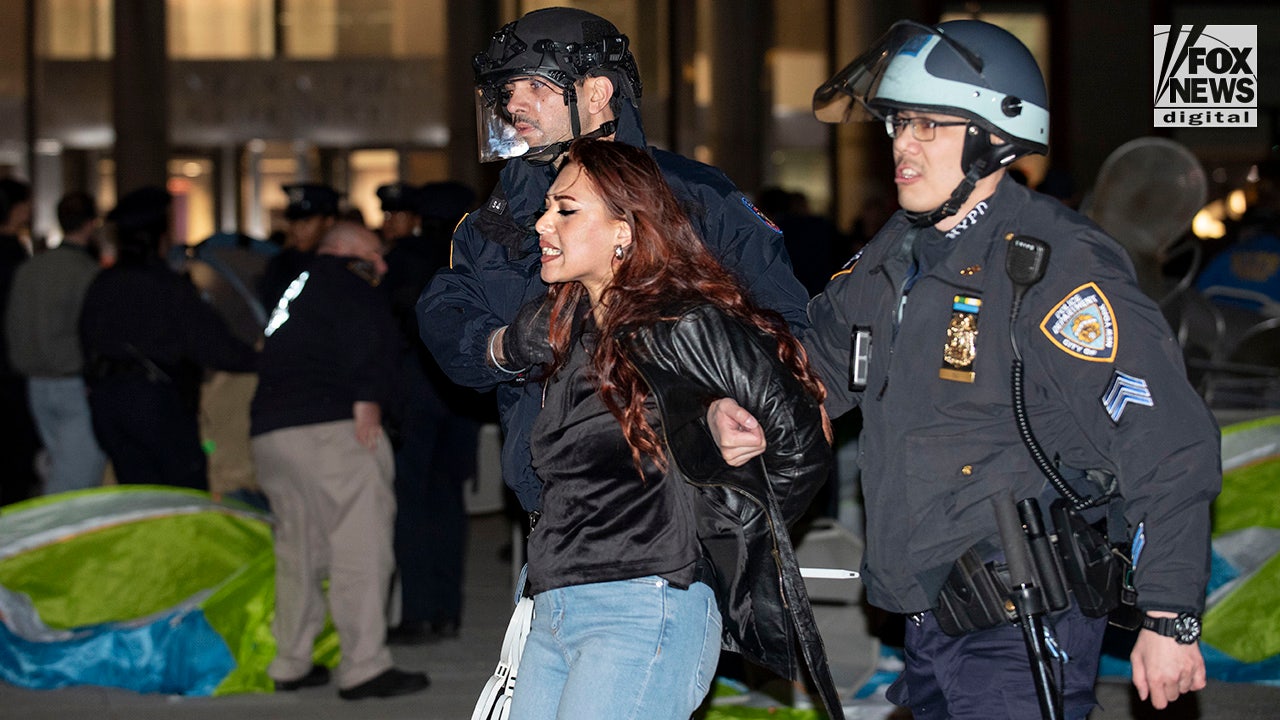
Two years after the massive arrests at Columbia’s Gaza Solidarity encampment, campuses are still reeling from a wave of unrest and a shift in campus culture. This piece looks at how those events hardened a climate of fear, pushed students toward self-censorship, and prompted a political push for accountability and institutional change. It argues from a conservative perspective that restoring intellectual diversity, courage, and clear rules for neutrality is essential to revive higher education’s role in forming free citizens.
The arrests at Columbia sparked immediate chaos that spread to other campuses, with reports of harassment, vandalism, and tense confrontations that left students on edge. Images of violence and symbols of hate circulated widely and drove urgent debates about campus safety and free expression. Those scenes helped set the tone for a new era in which many students feel unsafe airing unpopular views.
Recent survey data shows the scope of the problem: 91 percent of students say they self-censor at least some of the time in conversations with classmates. Topics like Israel and Palestine sit at the top of things students avoid discussing openly, followed closely by abortion and transgender issues. At some universities, huge majorities of students say they pretend to be more progressive than they are, a sign that social pressure shapes what people say and how they act.
That pressure is reinforced by an uptick in aggressive responses to ideological opponents, which has helped normalize the idea that silencing a speaker by force can be acceptable. A prominent study found that one in three students now believes violence can sometimes be justified to stop a speaker, a nearly 70 percent jump since 2022. Those numbers underline why many conservatives and moderates choose silence over confrontation.
Classrooms are not immune. Roughly nine in ten students report self-censoring when talking to professors, and the faculty ranks themselves have skewed sharply left over the decades. In the humanities, party ratios have shifted from roughly two-to-one in the late 1980s to massive imbalances today, and at some elite departments Democrats outnumber Republicans by dozens to one. That makes visible dissent risky for the few remaining conservative academics, who often keep their views private to avoid professional fallout.
“Why would I disagree with my professors [sic] strong and open political opinions when he is the one grading everything?”
Silencing debate damages everyone, including those who think they benefit from ideological homogeneity. When ideas never face challenges, they become brittle, and students never learn to defend them under pressure. A campus that discourages honest exchange trains graduates who are less capable of navigating disagreement in law, business, media, and civic life.
The fallout goes beyond individual classrooms. When elite institutions appear to side with particular political narratives or respond to protest with inconsistent discipline, public trust erodes and civic norms fray. That breakdown feeds polarization, reduces the marketplace of ideas, and makes bipartisan solutions harder to reach. Restoring confidence in higher education therefore matters for the country’s broader social health.
There has been some corrective action. The recent federal focus on campus accountability has pushed universities to rethink policies such as DEI programming and to adopt institutional neutrality rules that prevent formal political endorsements. Those changes are conservative wins that aim to protect students from coercion and ensure that public institutions remain places of learning rather than political advocacy.
Fixing the problem will take deliberate steps: recruit true intellectual diversity among faculty, conduct anonymous surveys to gauge student beliefs, and make binding commitments to defend free expression across the ideological spectrum. Donors and alumni can help by tying support to measurable protections for viewpoint diversity and academic freedom. Above all, higher education needs to teach civic virtues, especially the courage to stand up for ideas when they are unpopular, or it will continue producing graduates who shrink from debate rather than leading it.
Fear proved contagious during the Gaza protests, and that contagion still lingers in campus hallways and classrooms. Courage is contagious too, but only if institutions choose to model and reward it. Universities must decide whether they will be places that train people to think, speak, and argue freely or places that teach silence as the safer path.
