
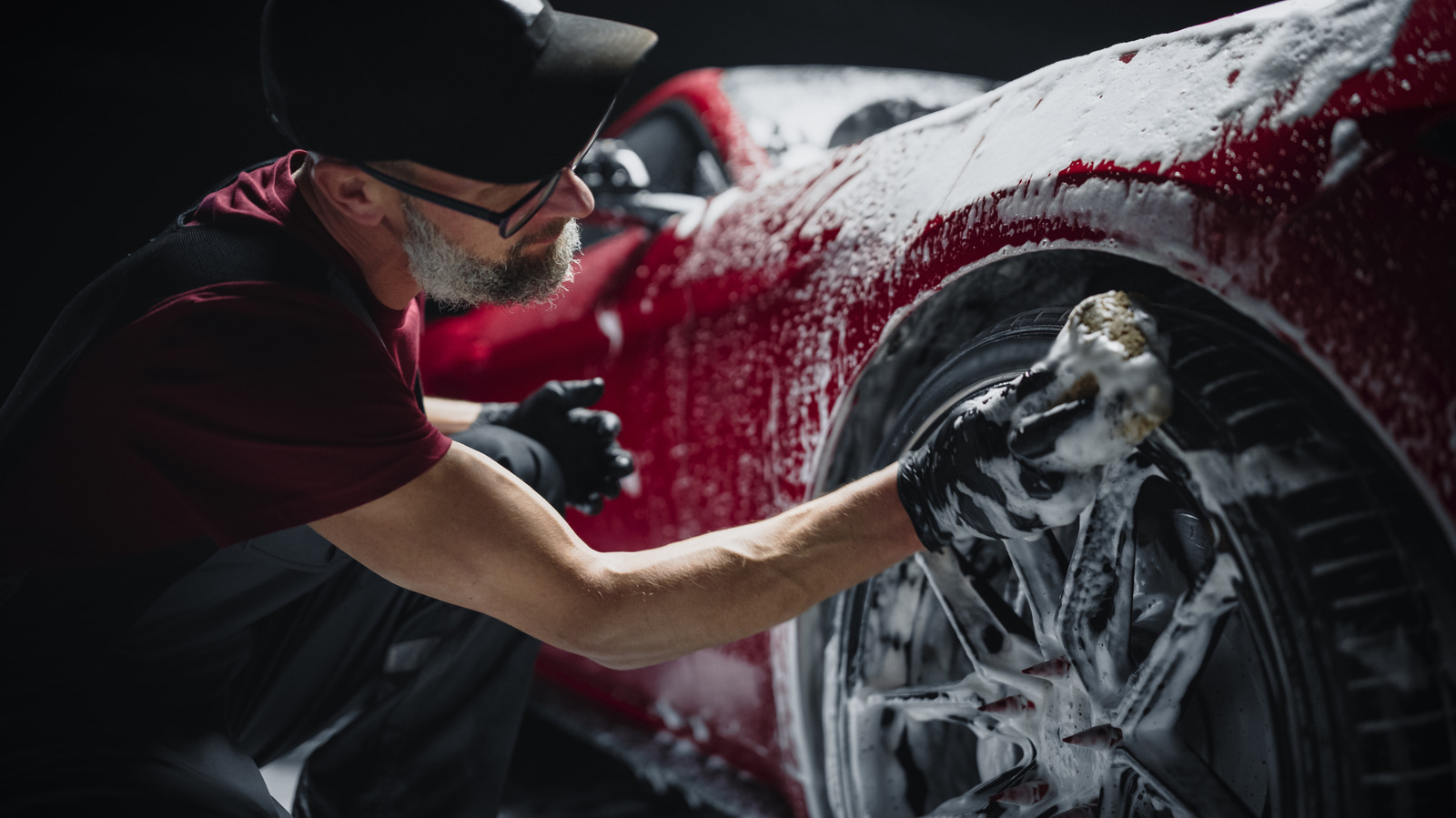
This article cuts to the point about washing your car and whether hot or cold water is better. It outlines when hot water serves you well, where cold water actually helps, and how water temperature interacts with soap, paint and environmental concerns. Expect practical, no-nonsense guidance so you can pick the right approach for different situations. The aim is to give clear choices rather than a one-size-fits-all rule.
Hot water feels like the obvious pick because heat speeds up chemistry and loosens grease faster than cold. When dealing with heavy grime, tar, road film or oily residues, warm water helps many cleaners and degreasers break bonds so dirt lifts away with less elbow grease. That makes hot water handy at the start of a full, thorough wash when you want the tough stuff to come off before you scrub. For stubborn spots, warm water often saves time and reduces the risk of aggressive rubbing that could harm the finish.
Cold water has real advantages in specific situations and should not be dismissed as inferior. If your car has a fresh layer of wax or sealant you want to preserve, cold water reduces the chance of softening those protective layers and stripping them prematurely. Cold is also kinder when rinsing off soaps that are designed to work at lower temperatures, and it avoids quick evaporative spotting on sunny, warm days. In short, cold water is a gentler option when protection or finish preservation matters more than brute cleaning power.
Paint and clear coat reaction to temperature is an underappreciated factor in choosing wash water. Very hot water can stress older, thinner paint systems and potentially accelerate fading over long-term repeated use. Conversely, cold water minimizes thermal expansion and contraction that can lift dirt into abrasions when you wipe. For cars with vintage paint or delicate finishes, leaning toward cool water and careful technique is the safer play.
Water quality and hardness change the equation in practical ways most owners overlook. Hard water leaves mineral spots whether the water is hot or cold, but heat makes those minerals show faster and bond more strongly to the surface. Using a soft water source or a spot-free rinse system will beat temperature fixes every time. If you must use municipal hard water, prioritize post-wash rinsing and drying techniques to prevent that spotty finish.
Soap chemistry and cleaning sequence matter as much as temperature does. Many modern car shampoos are formulated to activate across a wide temperature range, so follow product directions instead of assuming hot equals better. Start with a pre-rinse to blast loose grit, apply soap at moderate temperature if available, and use two-bucket or foam-lance methods to keep abrasive grit off the paint. The right process reduces reliance on extreme temperatures and protects your finish.
Season and climate also dictate smarter choices: cold water can be a liability in freezing conditions where residual moisture risks freezing in locks and crevices. In winter, warm water for immediate washing and thorough drying afterward helps avoid icing problems. In hot, dry weather, avoid scalding water that speeds evaporation and leaves swirl marks or soap residue; cool or lukewarm rinses are better. Match the water choice to the weather, not just to habit.
Energy use and cost are practical factors many people ignore when reaching for hot water. Heating large volumes of water consumes energy and increases utility bills, and the environmental impact is real if you heat every wash. For routine maintenance cleaning, cold water with proper soap and technique is often entirely adequate and more sustainable. Reserve heated water for the jobs that actually need it, like heavy degreasing or winter icing issues.
Technique beats temperature for long-term paint care: use soft mitts, rinse grit frequently, and dry with microfiber towels to prevent swirls and spots. When in doubt, test a small area with warm water and gentle soap to see how paint and protection react before committing to a whole-vehicle wash. That simple experiment tells you more than blanket rules about hot versus cold water. Make choices based on residue type, finish sensitivity, water quality and weather, and you will get cleaner results with less risk.
