
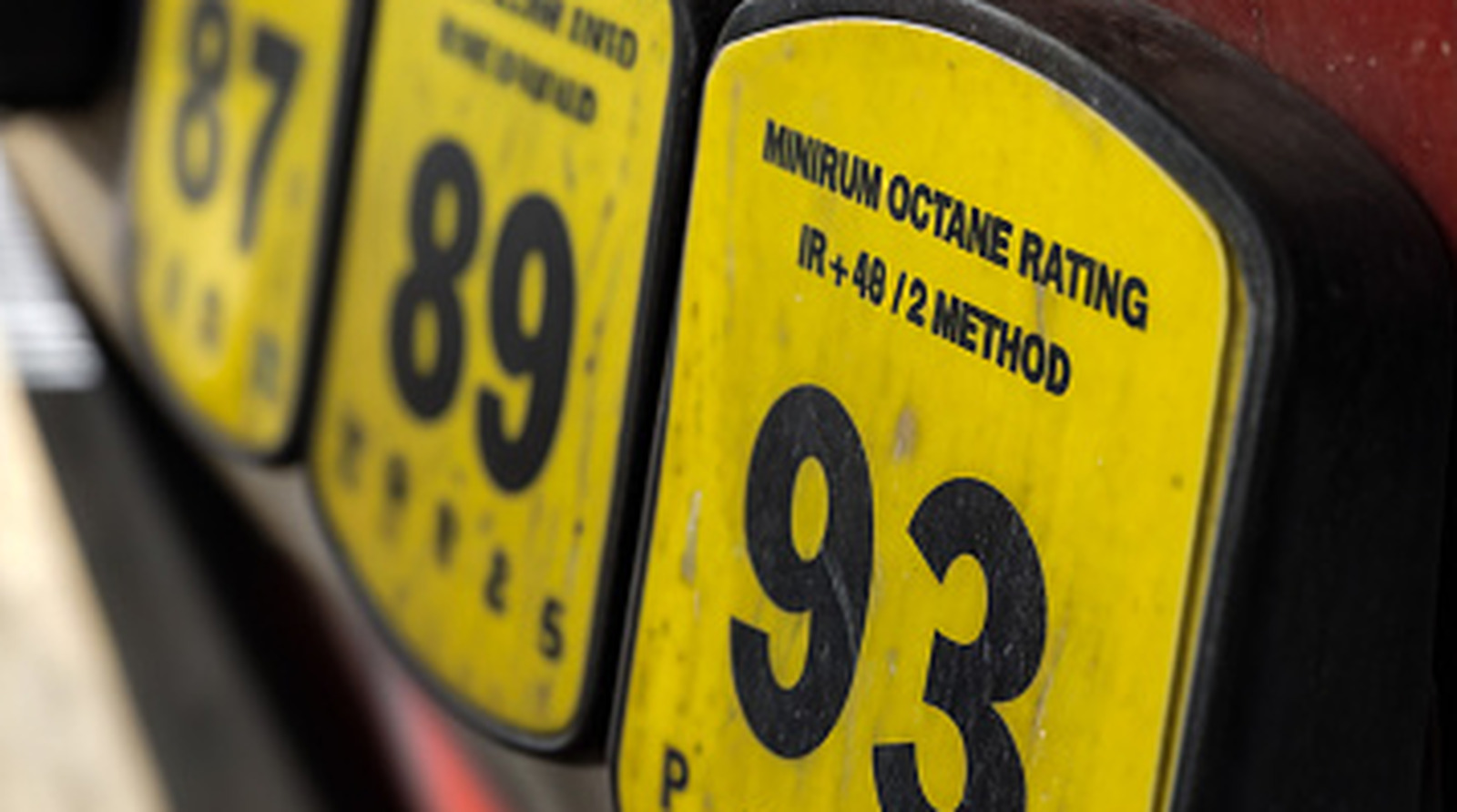
Choosing between regular and premium gas at the pump confuses a lot of drivers, so this piece cuts through the noise and gives practical, no-nonsense guidance. I explain how octane works, who actually needs premium, what benefits you can realistically expect, and simple tests you can run in your own car. Read on for a straightforward take that helps you stop overpaying for gas that doesn’t help your engine.
Octane rating measures a fuel’s resistance to premature ignition under compression, and that matters in engines with higher compression ratios. Premium fuel has a higher octane number, which prevents knocking in engines designed to squeeze the fuel-air mixture harder. If your engine’s compression and timing demand higher octane, premium can be necessary to avoid damage and keep performance sharp.
Most modern cars with regular gasoline recommendations won’t gain anything noticeable from premium, despite marketing that suggests otherwise. Automakers set engine timing and boost to match regular fuel unless the manual says otherwise, so using premium in those vehicles usually just costs more. In everyday driving you rarely see improved acceleration or fuel economy that justifies the price gap at the pump.
Vehicles with turbochargers, superchargers, or high compression engines are different because they force more air into the combustion chamber. Those engines can experience knock if fed lower-octane fuel, and manufacturers commonly recommend premium for peak power and longevity. If your owner’s manual lists premium, follow it; ignoring that advice risks reduced performance or controlled timing knock interventions.
Another point to consider is detergents and additives in certain premium blends that claim to keep injectors cleaner and systems running smoother. While cleaner fuel can help long-term efficiency and emissions, many regular fuels now include detergent packages that meet minimum standards. The difference in real-world maintenance savings between regular and premium is often minimal unless you already have a problem or a very picky engine.
Fuel economy gains from premium are usually small to nonexistent for cars rated for regular fuel, with some tests showing less than one percent improvement under normal driving. That tiny uptick rarely offsets the higher per-gallon price, and you typically end up spending more for no measurable return. If you insist on testing, try a tank of premium and track fuel economy and performance across comparable driving conditions to decide for yourself.
If your car experiences pinging or reduced power on regular gas, switching to premium can be diagnostic as well as remedial; sometimes a single tank of higher-octane fuel stabilizes timing and clears knock. But persistent knocking after switching suggests underlying mechanical issues like faulty sensors or timing problems that fuel alone won’t fix. Use premium as a temporary test, then consult a mechanic if the issue continues.
Some drivers believe premium delivers cleaner combustion and longer engine life, and while that can be true in select engines, it’s not universal. Long-term maintenance depends more on following service intervals, keeping filters and injectors clean, and using quality oil. Don’t let marketing convince you premium is a universal maintenance shortcut; it’s a targeted tool for the right engines.
A sensible approach is simple: check the owner’s manual first, then follow the manufacturer’s recommendation without overthinking it. If your car says regular, fill with regular and save the extra cash for scheduled maintenance or emergency repairs. If your car says premium, consider it part of the operating cost and budget accordingly to avoid compromising performance or engine health.
When in doubt, experiment cautiously by tracking performance and fuel economy across a few tanks, and keep notes on conditions like temperature and load that affect results. Avoid frequent switching between fuel grades because that can muddy data and mask small differences you might care about. Ultimately, spending more at the pump makes sense only when your engine is designed to use and benefit from the higher octane.
