
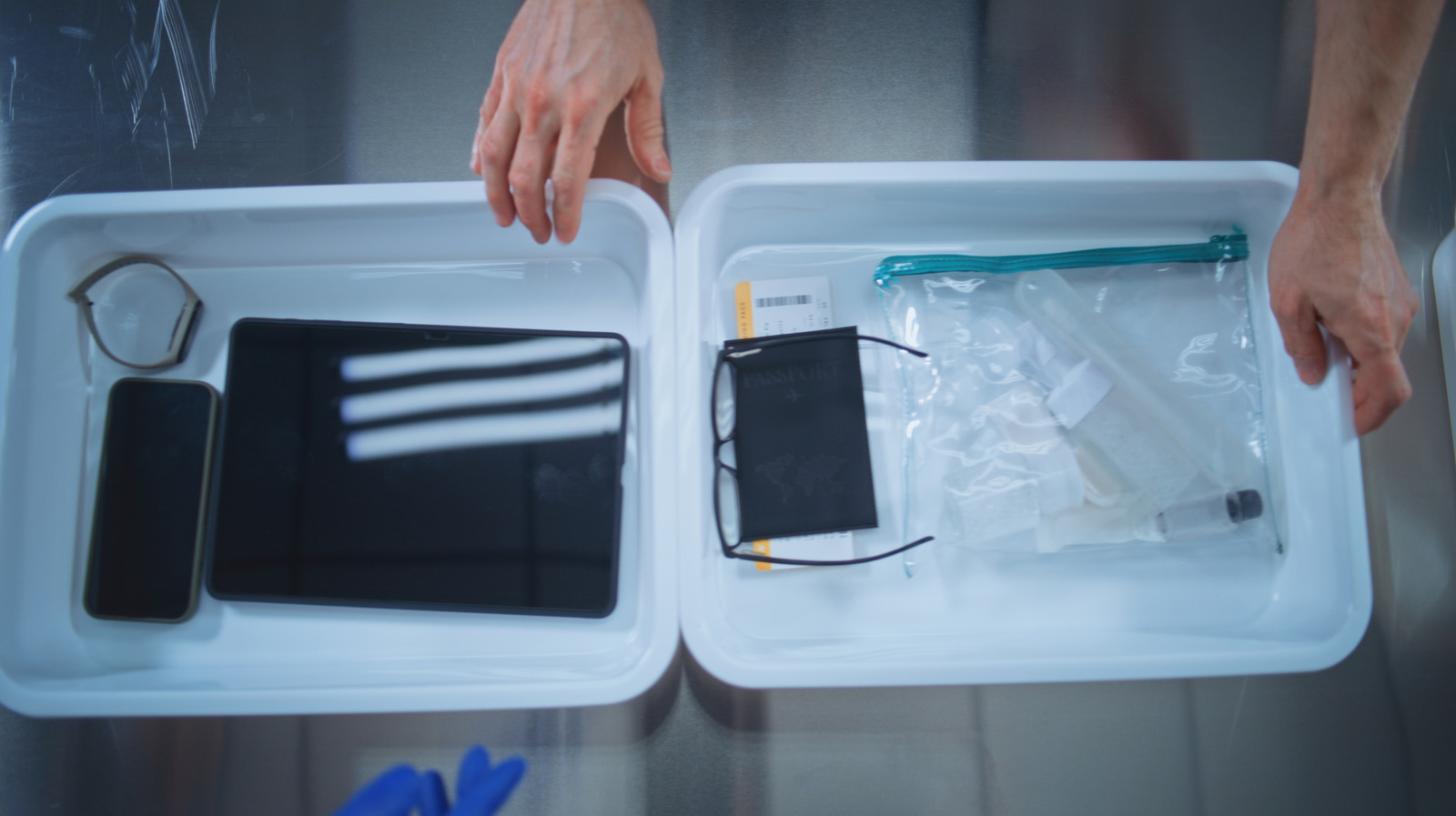
Airports collect thousands of forgotten items at security every day, and this article walks through what typically happens to those lost phones, wallets, jewelry, and oddball souvenirs from the moment they slip off a tray to the point they leave the airport system. You’ll learn who handles these items, how long they stick around, the privacy and safety rules that shape decisions, and practical tips to boost the odds of getting your stuff back. Expect clear, plain talk about lost and found realities so you know what to do if you ever step through the gates without something important.
When something is left at a security checkpoint, the Transportation Security Administration or the equivalent local authority usually takes charge immediately. Agents collect items straight from the trays and conveyor belts, then log them into a secure lost and found process rather than tossing them out. High-value objects trigger extra steps because of theft and safety concerns, so expect phones, watches, and wallets to be photographed and recorded carefully.
Not everything survives the trip to lost and found. Food and liquids that violate security rules are commonly discarded for health and safety reasons, and perishable goods rarely make it into long-term storage. Electronics and anything with batteries are treated cautiously and sometimes held separately to prevent damage or fire risks, which also affects how quickly staff can process claims for those items.
There are clear timelines that govern how long airports retain items, but policies differ across facilities. Standard practice is to hold personal property for a few weeks to a few months while staff attempt to reunite owners and their belongings. After that window closes, airports may auction items, donate them to charity, or dispose of them, and valuables of significant monetary worth often follow stricter legal rules around disposition and reporting.
Privacy is a big part of the process, especially with electronics. Phones and laptops are treated as sensitive, and while staff catalog identifying features they do not unlock devices to check contents. Security teams depend on serial numbers, photos, and call logs provided by owners to confirm ownership, which is why maintaining records like IMEI numbers and receipts can speed up recovery.
Chain of custody matters. Every handoff from TSA agent to lost and found clerk to storage is supposed to be documented so the airport can prove responsibility if an item goes missing while in their care. That documentation helps prevent theft inside the system and makes it easier for law enforcement to act when a valuable item disappears or a claim becomes contested.
Some airports partner with third-party services that centralize lost and found handling across multiple facilities, offering online claim filing and searchable inventories. Those services can be helpful, but they also introduce an extra layer between you and your item, which means following the claim instructions exactly and being patient during verification. If a third party manages items, check whether fees or shipping costs apply when your property is returned.
There are simple things travelers can do to improve their odds. Attach a label with contact info to valuable carry-ons, enable find-my-device features on electronics, and photograph items before travel so you can describe unique marks during a claim. Acting fast helps too; the sooner you report a loss, the fresher the record and the likelier staff are to locate the item before it moves on or is discarded.
When an item is declared unrecoverable, airports aim to clear storage and cover legal obligations, but responses vary. Smaller items like sunglasses and chargers are often donated or sold to recoup storage costs, while unclaimed cash and high-value goods might be reported to local authorities and handled according to strict municipal or federal rules. Knowing these outcomes can change how you prepare for travel and how aggressively you pursue recovery when something goes missing.
Ultimately, the airport lost and found system is a mix of human oversight, safety regulation, and practical limitations. It works well enough to reunite countless people with essential items each year, yet gaps remain, especially at busy checkpoints or for items not immediately noticed. If you lose something, report it quickly, document what you can, and follow up persistently; that combination gives you the best shot at getting your property back.
