
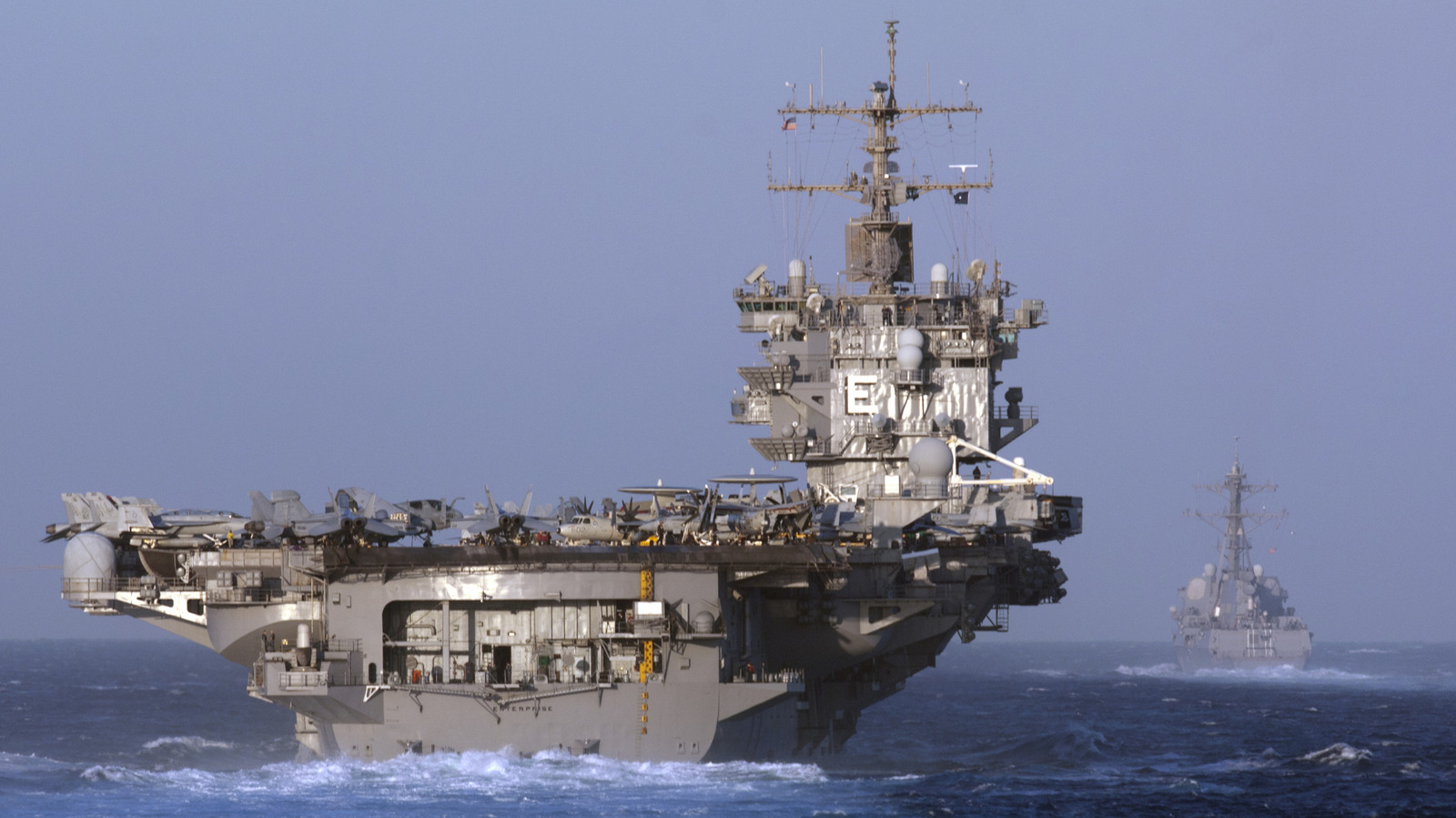
A Navy ship scheduled for dismantling has hit an unexpected snag: a software failure left critical cutting and tracking systems unreliable, turning a routine tear-down into a careful, time-consuming operation that raises safety, environmental, and cost concerns.
Scrapping a large naval vessel is normally a planned, methodical process, but when the digital systems that map structural components and coordinate remote cutting tools go down, everything changes. Workers suddenly face extra checks, manual confirmations, and slower progress as they adapt to tools that were meant to be guided by accurate data. That gap between digital planning and hands-on work is where risk and delay pile up.
Shipbreaking relies on tight sequencing to keep hazardous materials under control and prevent structural collapses during cuts. A computer error can scramble cut lists, misalign drawings, or make automated equipment hesitate, forcing crews to switch to manual measurements and conservative removal techniques. Those conservative steps buy safety but also add hours, sometimes days, to a timetable designed around efficient automation.
Safety is the most immediate concern for any dismantlement team. Cutting into fuel lines, asbestos-lined insulation, or old wiring near ordnance locations demands precise knowledge of where everything is. Without reliable digital layouts, teams must verify each zone by hand before proceeding, and supervisors often require redundant tests and lockout procedures that slow the job but reduce the chance of a serious incident.
Environmental rules are another factor that sharpens the pain of delays. Shipbreaking facilities handle toxic paints, PCBs, lead, and other regulated waste that has to be removed and stored under strict protocols. When schedules extend, containment plans and waste transfer windows can be strained, potentially increasing disposal costs and the oversight burden from regulators who monitor those sites closely.
Labor dynamics shift too. Skilled technicians who normally oversee automated cutters get pulled into measurement and verification roles, while welders and demolition crews wait for confirmations before they can proceed. That shuffle increases labor hours and can raise union or contract questions when work orders deviate from initial plans. Productivity drops, and the budget for a single-hull project can creep upward quickly.
Logistics become more complicated when sequencing falters. Parts meant for salvage or resale may be harder to extract cleanly without the planned cut points, reducing the value recovered from the ship. Additionally, storage areas for removed sections can fill faster if teams are unable to follow the original removal cadence, leading to on-site congestion and additional handling steps.
Investigations into the glitch usually involve both software and human factors. Technicians examine logs and hardware for faults, while managers review whether recent updates or configuration changes introduced instability. Meanwhile, contingency protocols get tested in real time, revealing strengths and gaps in emergency processes that will be useful for future projects.
Cost implications are immediate and real. Extended timelines mean more labor, more site overhead, and possible penalties if the dismantlement misses contractual milestones. Insurance and liability considerations also come to the fore if the glitch contributed to near-misses or actual incidents, prompting detailed reviews of risk management and oversight practices.
There are practical lessons for the industry in incidents like this. Redundancy in critical systems, better manual fallback training, and clearer verification checkpoints can reduce the impact of a single point of failure. Investing in robust, tested offline procedures may feel like extra expense up front, but it prevents the far higher costs of a stalled project and the dangers that come with rushed fixes.
In the end, restoring trust in the process means fixing the immediate technical fault and demonstrating that teams can operate safely without flawless automation. That balanced approach helps protect workers, the environment, and the public interest while keeping dismantlement projects on track when the unexpected arrives.
