
What if you could buy a Honda at Home Depot for a few dollars? Just don’t expect to bring home a motorcycle. This piece teases apart that headline-grabbing idea, looks at how brand names show up in unexpected places, and explains what really turns a crazy bargain into something worth buying.
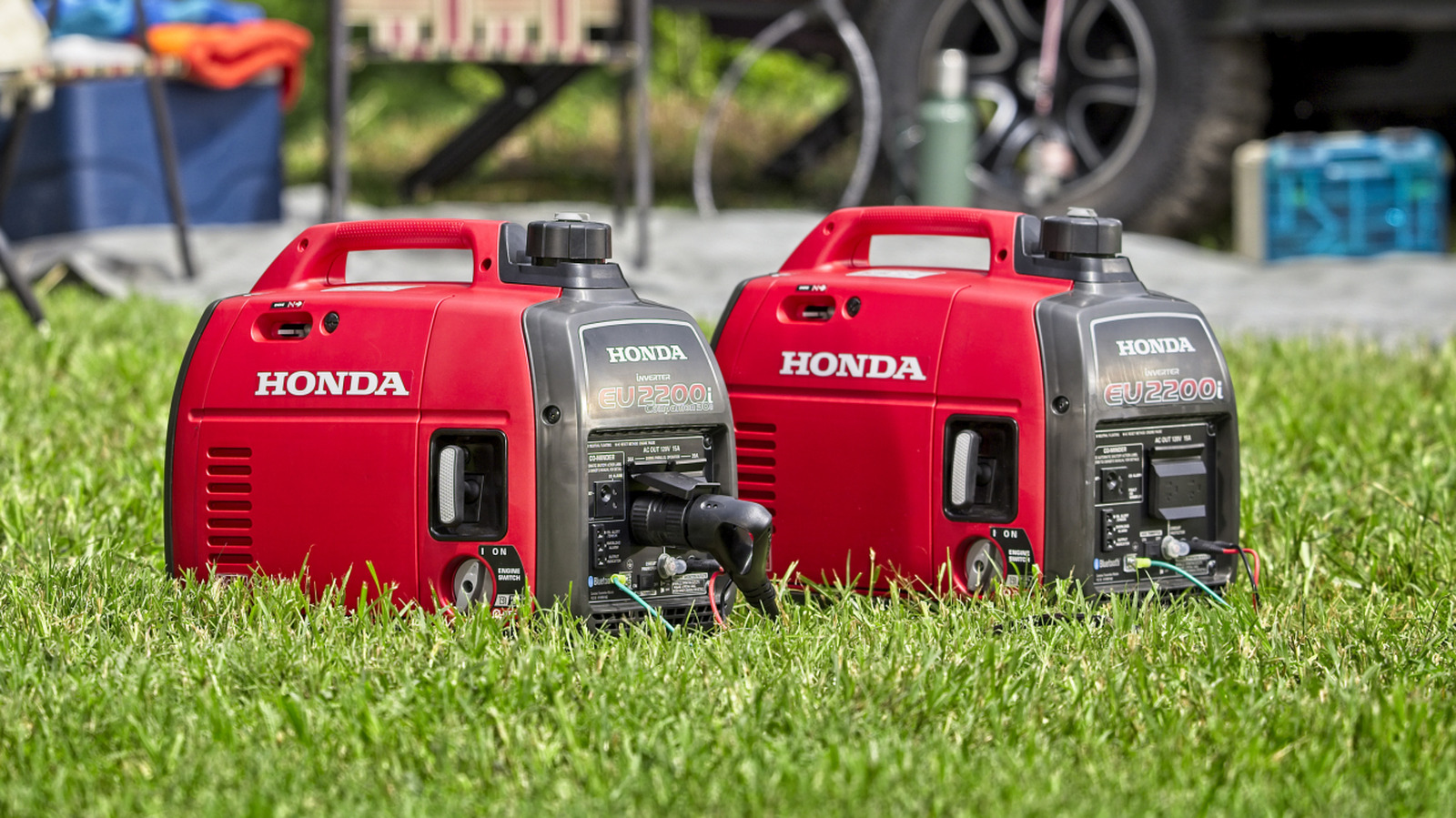
Big brand names like Honda appear on a lot more than cars and bikes, and that’s where the confusion starts. Power equipment, small engines, generators, and replacement parts often carry the Honda badge, and those items can pop up on discount shelves or in seasonal promotions at home improvement stores. Seeing the logo and assuming a full-sized vehicle is an easy mental shortcut most of us make in a rush.
Deep discounts are usually the simple answer when a price seems too good to be true. Overstock, end-of-season blowouts, clearance items, and customer returns can slash prices to pocket change levels for accessories or tiny components. Retail clearance bins are where chipped casings, discontinued colors, or damaged packaging meet shoppers who love a bargain, so a Honda sticker on a cheap box rarely signals a rolling motorcycle.
Other times the story is about scale. Miniatures, promotional models, or novelty keychain gadgets carry authentic branding but are obviously not roadworthy vehicles. Third-party vendors and online marketplace sellers sometimes use popular brand names to describe compatible parts or small items, and that wording can get misread when someone skims a label. The result is a viral headline possibility and a lot of surprised shoppers.
There’s also a resale layer to consider: salvage yards, auctions, and independent repair shops move used Honda components all the time. Those parts can end up in different retail channels or in a big-box clearance rack through middlemen and liquidation companies. When the logistics chain is long and messy, an honest product description can get trimmed or simplified until the actual item looks more exciting than it is.
If you’re shopping for genuine Honda gear on a budget, a few practical habits save trouble. Check model and part numbers against the manufacturer’s database, ask about warranty transfers, and test electrical equipment before you buy whenever possible. Be wary of listings with vague language, and treat unbelievably low prices as a red flag that deserves extra inspection rather than instant celebration.
Legal and safety realities matter here, too. Motor vehicles require titles, registrations, and often inspections to be road legal, and you won’t get any of that with a random bargain bin find. Buying a motorcycle cheap would still mean handling paperwork, verifying VINs, and making sure the machine meets safety and emissions rules. No sticker or clearance tag removes those obligations.
At the end of the day, the idea of a five-dollar Honda is more fun than factual, but it also highlights how branding, retail practices, and resale markets overlap. Bargain hunters love the hunt and the surprises that turn up in big-box stores, and sometimes that thrill is worth the trip even if you leave without a motorcycle. Expect odd deals, enjoy the oddity, and remember to read the fine print before you celebrate a too-good-to-be-true price.
