
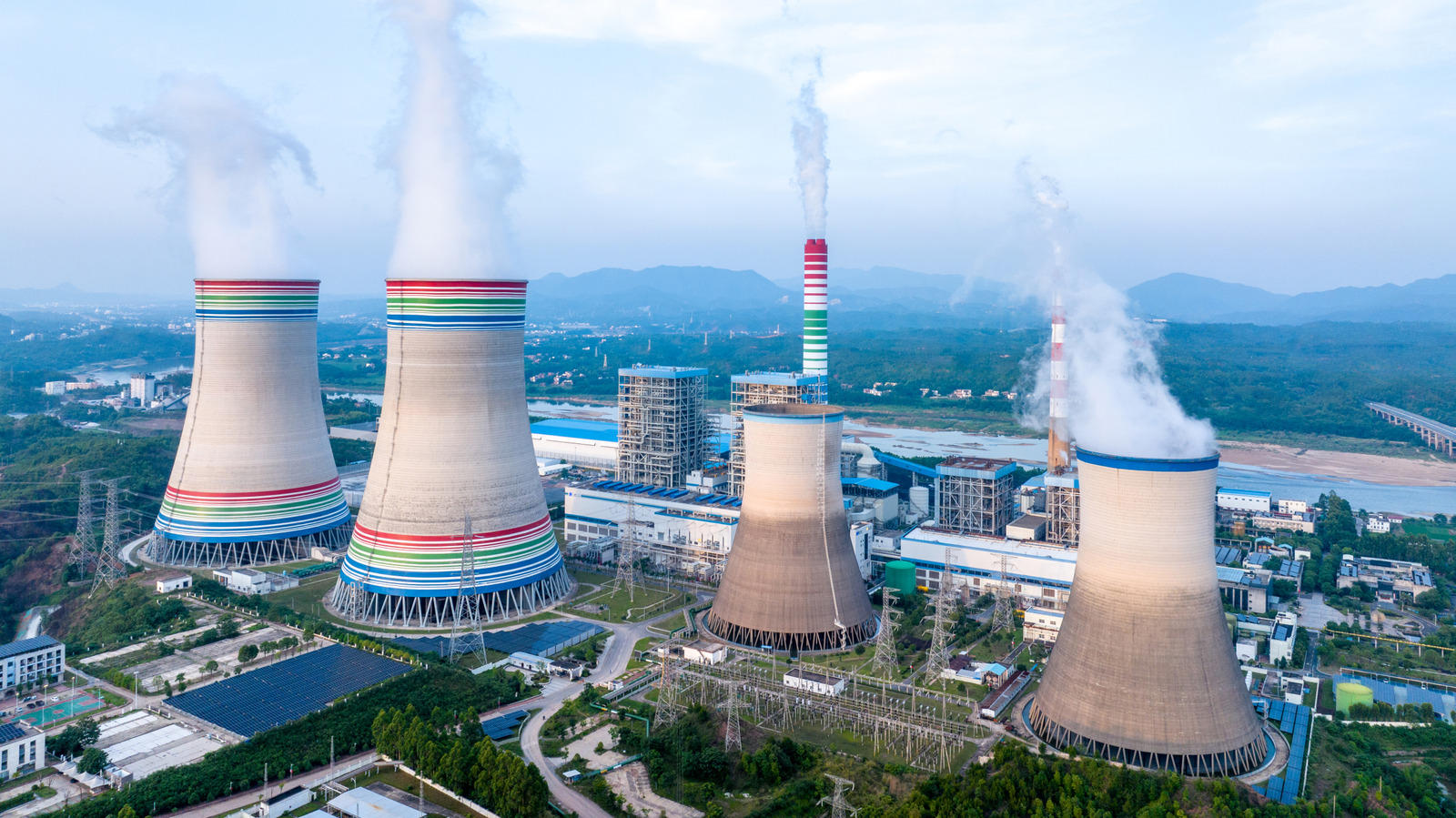
Coal’s reputation as the dirtiest fossil fuel masks a quieter truth: it can be a feedstock, not just a fuel. This piece walks through how coal can be converted into clean energy carriers, industrial chemicals, and hydrogen without direct combustion, and it weighs the environmental trade-offs and practical hurdles involved.
Gasification turns coal into a synthesis gas, a mix of hydrogen, carbon monoxide, and CO2 that’s a platform for many products. Instead of burning coal in a furnace, gasification heats it with limited oxygen so its molecules break apart into useful gases. Those gases can be filtered, shifted toward hydrogen, or catalyzed into fuels and chemicals, changing coal from a polluter into a raw material.
Integrated gasification combined cycle plants, known as IGCC, use that syngas to run turbines and generate electricity more efficiently than a traditional coal plant. IGCC also isolates CO2 more easily because the carbon is in a concentrated stream, which makes carbon capture less energy-intensive. That advantage means IGCC can be paired with carbon capture and storage, shrinking the lifecycle emissions compared with direct combustion.
Another route is coal-to-liquids and coal-to-chemicals, processes that turn coal into diesel, jet fuel, methanol, and basic petrochemical building blocks. Those products can support transportation and industry without relying on crude oil, offering supply diversification. The trade-off lies in energy inputs and CO2 byproducts, so these pathways only look clean when paired with strong emissions controls or carbon management.
Producing hydrogen from coal is pragmatic and controversial at once. Coal gasification yields hydrogen cheaply and at scale, making it attractive for industrial heat, refining, and as a chemical feedstock. However, unless the CO2 created during hydrogen production is captured and stored, the hydrogen isn’t low carbon, so the environmental claim depends entirely on the capture technology and its real-world performance.
Carbon capture and storage is central to any low-emission coal strategy but it is no silver bullet. Capturing CO2 requires energy and infrastructure: compressors, pipelines, and secure geologic storage sites. When done well, CCS can lock away gigatons of carbon, but when it’s partial or leaky, the climate benefit is undermined and costs rise quickly.
Water use and local pollution remain stubborn concerns for coal conversion technologies. Gasification and chemical production need significant water for cooling and processing, which can stress regional supplies. Emissions of particulates, sulfur, and trace metals can be minimized with modern controls, but those systems add expense and complexity that decision-makers must budget for.
Economics shape whether coal-as-feedstock becomes mainstream. Many clean alternatives have been dropping in cost, making coal conversion projects hard to justify without policy support or market niches. Still, regions with abundant coal reserves and industrial demand can find a role for cleaner coal-derived products, particularly where energy security and local jobs matter.
Repurposing mining communities into centers for conversion industries can cushion economic transitions. Instead of shuttering mines and plants, equipment and workforce skills can shift toward gasification, hydrogen production, or chemical manufacturing. That requires investment in workforce retraining and environmental remediation, but it offers a path from coal dependence to diversified industrial activity.
Technological progress matters: advances in catalysts, lower-temperature gasification, and more efficient capture systems can tilt the balance toward lower emissions and lower costs. Public policy will also decide outcomes, through carbon pricing, permitting for CO2 storage, and incentives for low-emission products. Without that policy scaffold, many projects struggle to compete with cheaper, lower-carbon alternatives.
In short, extracting energy and useful materials from coal without burning it is technically feasible and already practiced, but its climate credentials depend on rigorous capture and responsible management of water and pollutants. The idea reframes coal as a raw material with modern controls rather than a simple source of heat, offering a complicated but tangible bridge between legacy fuel systems and cleaner industrial futures.
