
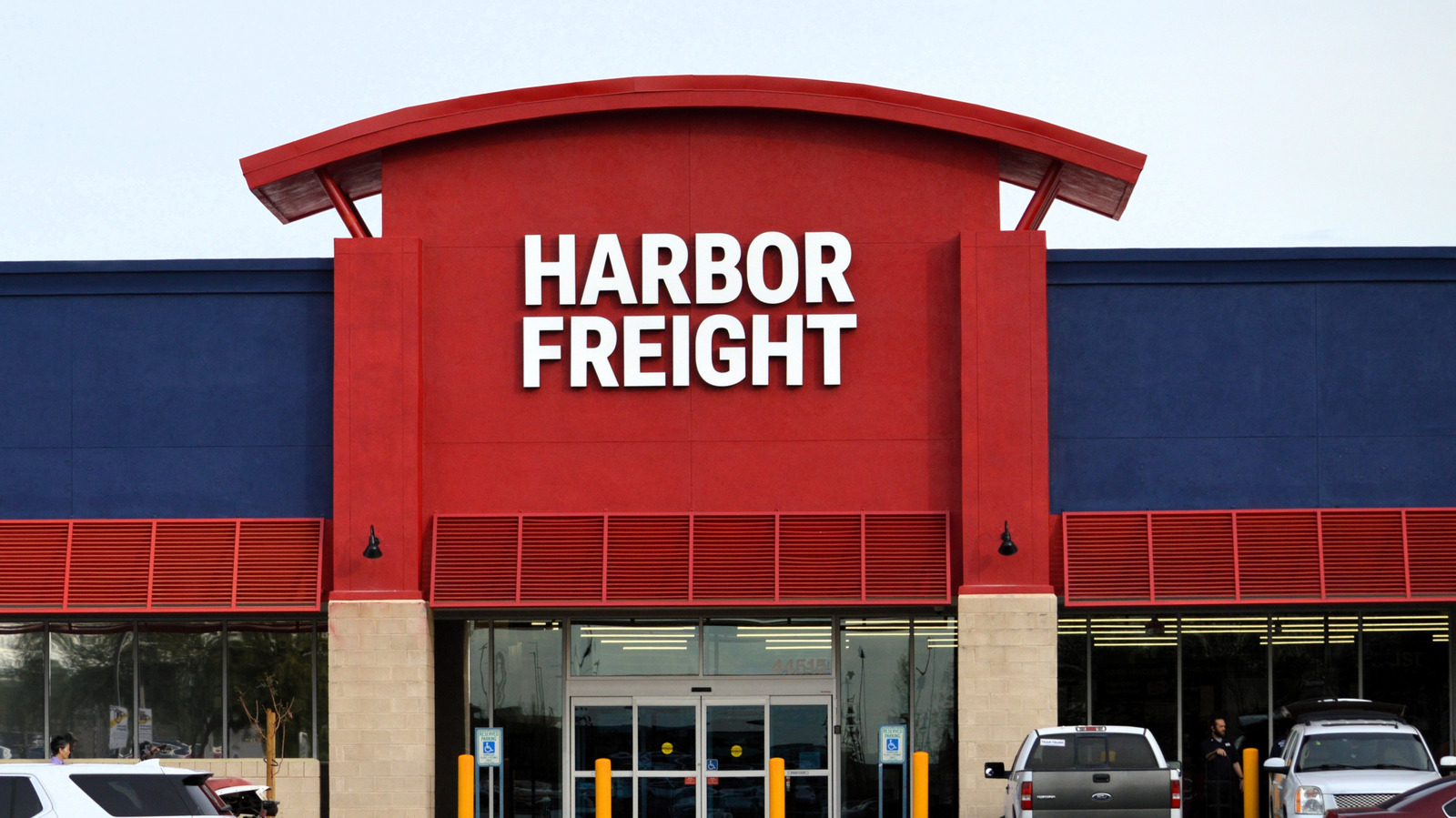
Harbor Freight has a reputation for deep discounts, but some of its lesser-known tools punch above their weight and outdo pricier Makita models in real-world performance. This piece looks at why these under-the-radar picks deserve attention, what they actually deliver on the job, and how buyer expectations are being reshaped by surprising value. Read on for a clear, no-nonsense look at power, features, and whether cheap really can be impressive.
People think price equals quality, and that assumption keeps hardworking options off the radar. Harbor Freight isn’t trying to fool anyone; it leans into value and functional design instead of glossy branding. When you compare apples to apples — torque, motor type, battery specs — a few of these budget tools simply perform like pro-level gear. That reality is worth breaking down because it changes how you decide what to buy for a real job.
Start with power. Some Harbor Freight brushless brushless motors and beefy brushed units deliver surprising torque numbers that match or exceed same-class Makita tools. Peak horsepower and sustained runtime matter more than a logo when you’re cutting, driving, or grinding all day. For tradespeople and serious DIYers, a tool that keeps working under load is the whole conversation, not the sticker price.
Durability is the other headline. Yes, Makita builds long-lasting tools, and many pros swear by them, but Harbor Freight’s more rugged offerings are no slouches. Reinforced housings, sensible cooling vents, and components that tolerate dust and heat mean these tools can survive tough conditions. Where they sometimes fall short is in finish and ergonomic polish, but that rarely hurts the job when the machine keeps turning.
Battery platforms have been a surprise battleground. Makita has a robust brushless ecosystem with proven battery life, but Harbor Freight’s newer lithium-ion packs and charger designs are closing the gap quickly. Runtime per charge and smart charging that avoids overheating are now common in the lower-cost range. If you’re paying attention to amp-hours and cell quality rather than the badge, you’ll find some Harbor Freight batteries give you the full shift you need.
Feature sets matter more than ever. Quick-change chucks, adjustable speed controls, and tool-specific attachments can turn a cheap tool into a versatile workhorse. Harbor Freight often bundles useful extras, which raises the effective value well above the bare price. That doesn’t mean everything is equal; it means a careful buyer can get more functionality for the money than a straight price-to-brand comparison suggests.
Practical testing tells the story better than theory. In side-by-side tasks like driving lag bolts, cutting through dense plywood, or running a grinder for extended periods, some Harbor Freight tools hit the same speed and finish as Makita at a fraction of the cost. The key is expectation management: know the job, inspect the quality of the specific model, and use the right accessory. Done right, you can save money and still get professional results.
Service and parts availability are part of the decision too. Makita has a long service network and aftermarket options that make repairs simple for pros who rely on uptime. Harbor Freight has been improving warranty terms and stocking replacement parts and attachments, but the support model differs. If minimizing downtime is crucial, factor in service logistics when choosing between brands.
At the end of the day, the choice comes down to how you work. If you need the absolute top-tier finish, ergonomics, and dealer support and are willing to pay for it, Makita is a solid bet. If you want raw performance, sensible features, and a lower hit to the budget, Harbor Freight’s under-the-radar tools deserve a look. The surprising truth is that a smart buyer can build a capable, reliable kit without automatically defaulting to the highest-priced brand.
