
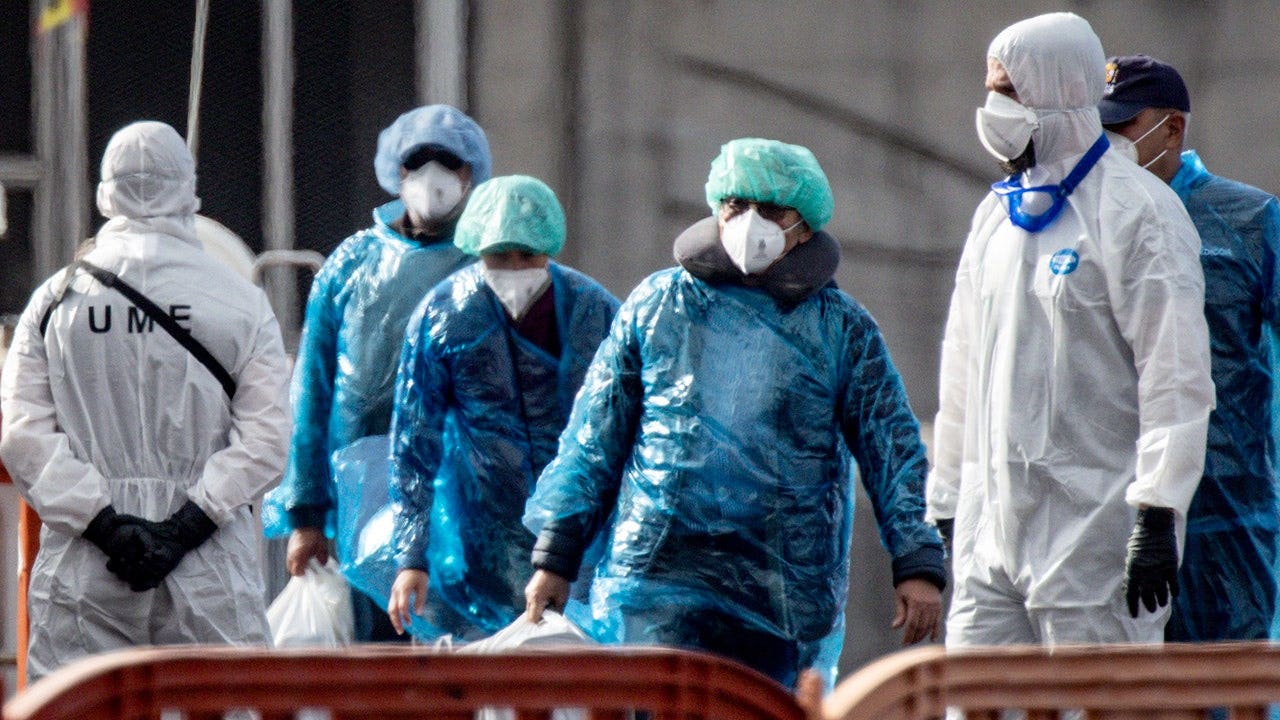
The cruise ship MV Hondius sparked an international health scramble after a deadly hantavirus outbreak aboard forced evacuations, medical monitoring and urgent repatriations. U.S. health officials flew 17 Americans and a dual U.S.-U.K. citizen home for assessment, with at least one asymptomatic positive case and another with mild symptoms receiving special handling. Agencies and hospitals are isolating and testing passengers while tracking a virus that can cause severe respiratory illness.
Officials confirmed that two of the Americans required extra precautions during transport, and one was found to carry the virus despite showing no signs of illness. Those two Americans traveled “in the plane’s biocontainment units out of an abundance of caution,” HHS noted in a Sunday night on X. The use of biocontainment units reflects the degree of concern around potential transmission during long flights and crowded conditions.
The repatriation flight included 17 U.S. citizens and one dual national, and most passengers were moved straight into specialized care or quarantine on arrival. The dual U.S.-U.K. national “is at the University of Nebraska Medical Center/Nebraska Medicine Regional Emerging Special Pathogen Treatment Center (RESPTC) in Omaha with 15 of the other repatriated passengers,” HHS noted in the post. That concentration of patients at a high-level treatment center lets clinicians monitor symptoms and run follow-up tests quickly.
https://x.com/HHSGov/status/2053656580118216985
The flight touched down in Nebraska early Monday morning, where hospital teams were already prepared to receive and separate passengers by risk. Authorities reported that three people have died since the outbreak began, which has raised alarm among health officials and passengers alike. Rapid triage and transfer to quarantine or the biocontainment unit were prioritized to limit any further spread.
“One passenger will be transported to the Nebraska Biocontainment Unit upon arrival, while other passengers will go to the National Quarantine Unit for assessment and monitoring,” a Nebraska Medicine Facebook post issued on Sunday night stated. “The passenger who is going to the Biocontainment Unit tested positive for the virus but does not have symptoms. They were managed separately from other passengers during transport using appropriate biocontainment measures. They will be monitored in the Biocontainment Unit out of an abundance of caution and follow-up testing will be performed.” Those lines underscore how hospitals are treating asymptomatic positives with caution.
HHS’s updates continued the same cautious tone about where patients were being sent and how they were being watched. HHS’s post on Monday morning also noted, “Two passengers from the airlift, including one who traveled with mild symptoms in the plane’s biocontainment unit, are now at Emory University’s RESPTC in Atlanta.” Emory and Nebraska both operate facilities designed to handle rare, high-risk pathogens safely and with specialized protocols.
French health authorities also reported cases among their repatriated citizens, with one French patient testing positive and experiencing health deterioration overnight in a hospital. Officials said that person developed symptoms while flying home to Paris, highlighting how incubation and symptom onset can complicate return travel and post-flight care. Several European passengers were among those flown from the ship and placed under medical observation upon arrival.
“Andes virus is a type of hantavirus spread by rodents in South America and, less commonly, by other infected people. The rodents that carry Andes virus have not been found in the United States. It can cause a severe respiratory disease in people, called Hantavirus Pulmonary Syndrome (HPS),” according to the U.S. Centers for Disease Control and Prevention. That official description aims to explain both the usual animal reservoir and the rare potential for human-to-human cases that make this strain particularly concerning.
“Andes virus is the only type of hantavirus that is known to spread person-to-person. This spread is usually limited to people who have close contact with a sick person. This includes direct physical contact, prolonged time spent in close or enclosed spaces, and exposure to the sick person’s body fluids,” the CDC explained. That guidance shapes current precautions: close contacts get monitored, and anyone exposed during flights or in confined ship spaces is under heightened surveillance.
Hospitals are now balancing careful monitoring, repeat testing and strict containment to prevent a wider outbreak while learning more about who was exposed and how symptoms progressed. Health teams are running follow-up tests, tracking contacts, and isolating any new positives to keep transmission risks low. The situation remains active, with clinical teams focusing on treatment, observation and preventing further spread.
