
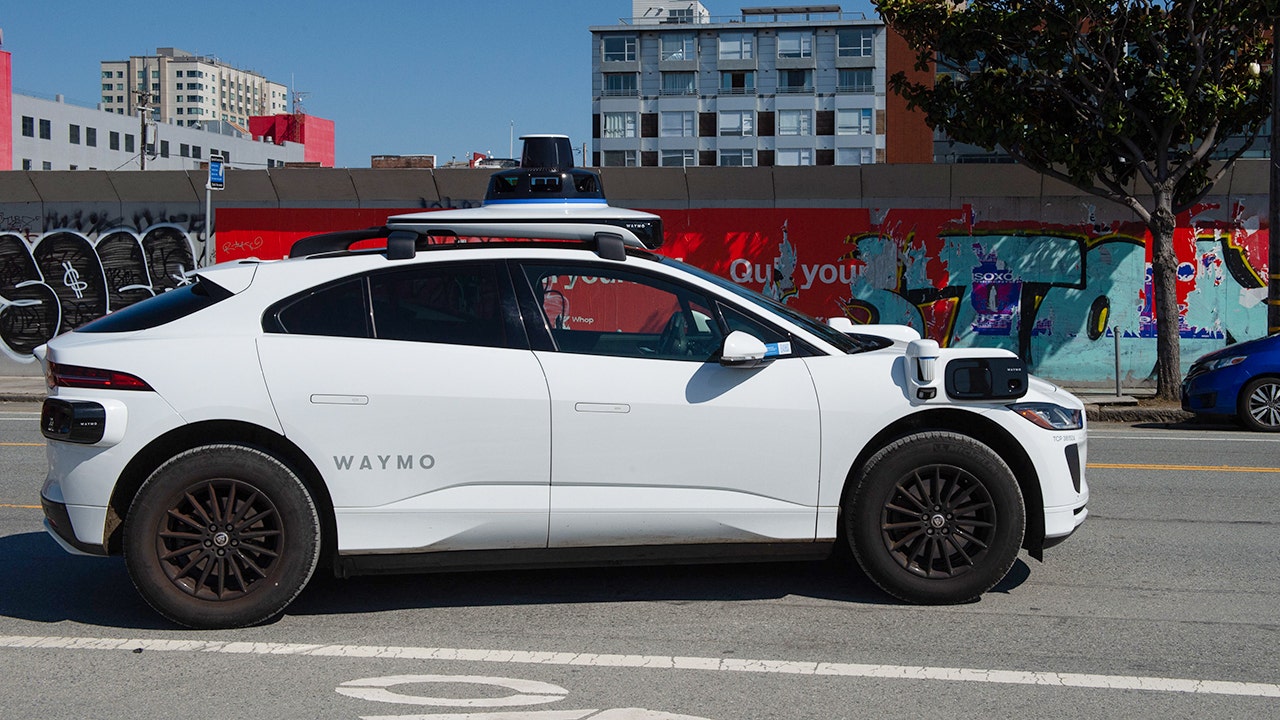
A business traveler’s simple airport run turned into a lesson about the limits of driverless service when a Waymo vehicle pulled away with a suitcase after the trunk wouldn’t open. This piece walks through what happened, how the company responded, why the incident matters for airport rides, and practical steps riders can take to avoid the same headache.
Riding in a robotaxi still feels weird for a lot of people, and for good reason. Di Jin boarded a Waymo in Sunnyvale for a trip to San José Mineta International Airport, expecting a smooth ride but not the kind of mix-up that leaves you standing at the curb without your bag. The drive went fine until the moment he reached the terminal and tried to retrieve his luggage.
Jin says he hit the trunk release but nothing happened, then watched the driverless car pull away with his suitcase inside. With no human behind the wheel to call out to or flag down, he was left juggling the app and a customer support line. Imagine watching your luggage vanish while you’re figuring out security and boarding times; it’s exactly the sort of travel panic no one needs.
He contacted support right away and was told the vehicle had already headed to a depot and could not be turned around. Later he was notified that the luggage had been secured at a facility, which solved the immediate worry about whether the bag still existed. That part was a relief, but the logistics of getting the suitcase back introduced a new fight over costs and responsibility.
Waymo initially offered to have the luggage sent to him but would not cover shipping or courier fees, instead offering free rides to and from the depot as an alternative. Jin pushed back, noting the issue was not his fault, and the company ultimately agreed to pay for shipping. Small victory, but it highlighted a larger friction: policies that don’t always match how people actually travel.
According to company guidance, riders can open the trunk with a button above the license plate or via the app, and the trunk will automatically open when the trip officially ends. There are caveats, though: if a rider exits before the vehicle is fully pulled over and the trip ends, the trunk might not open. The lost and found process exists, but the company warns it cannot guarantee immediate recovery, delivery speed, or reimbursement for lost value.
That policy detail is why this incident gained attention. Jin insists he did try to get his bag and couldn’t, which is different from simply forgetting something inside. When airport pressure, tight schedules, and technology glitches collide, what seems like a minor software hiccup can spiral into missed meetings or replacement costs for essentials.
With a human driver, you can shout, bang on the trunk, or ask them to wait. With a robotaxi, you rely on app controls, sensors, remote support, and corporate policy. Most rides will be uneventful, but airports amplify consequences: a suitcase often holds things you’ll need within hours — medication, ID, laptop, chargers — and losing access to them can wreck a trip fast.
Driverless airport service is expanding; San José was an early adopter and Waymo lists several cities in its rollout plans. That wider availability is a sign of progress, but it also raises the stakes for customer support and recovery procedures. As these services scale, operational details like trunk behavior, depot logistics, and who pays for what become central to user trust.
If you plan to use a robotaxi for an airport trip, adopt a few habits that reduce risk. Keep your wallet, passport, medication, laptop, and critical work items with you in the cabin rather than in checked luggage or the trunk. Use the app or the trunk release before you step away from the vehicle, keep the phone unlocked and the app open until you have your bag, and stay close enough to confirm the trunk actually opens when you exit.
Snap a quick photo of the bag and its contents before the ride so you can clearly describe what went missing if you need support. If a vehicle does leave with your items, contact support immediately and remain at the drop-off point if it’s safe to do so while the company locates the car. These measures don’t eliminate risk, but they make recovery smoother and reduce the chance you’ll be blamed for a system failure.
