
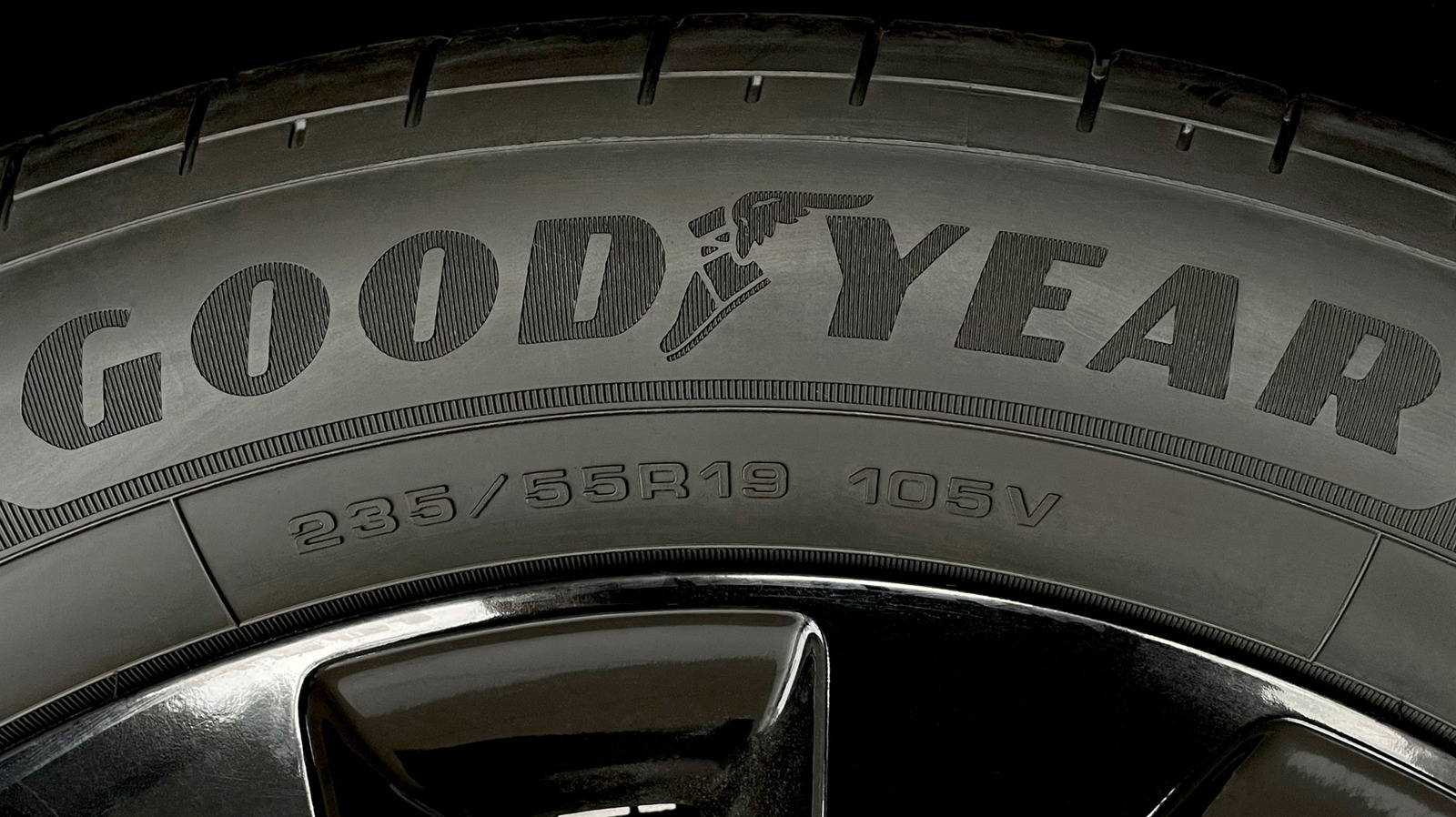
The G159 tire from Goodyear became notorious after reports tied it to a string of crashes and several fatalities over years before a recall finally happened. This article traces how warnings were missed, what the failures revealed about safety oversight, how victims and regulators responded, and what changes the episode pushed for in tire safety and company accountability.
The first signs of trouble with the G159 were subtle and scattered. Drivers and mechanics mentioned unusual wear patterns and sudden failures, but those early reports did not get the broad attention they deserved. When a pattern finally emerged, it showed that isolated complaints had been the canary in the coal mine.
As incidents accumulated, the consequences became painfully clear. Multiple crashes were linked to the same model, and some of those crashes cost lives. For families left behind the loss was sudden and devastating, and the human cost turned a technical defect into a public story demanding answers.
Investigations into what went wrong with the G159 dug into design, production, and quality control. Experts looked for manufacturing flaws, problems in material selection, and lapses in testing procedures. Each angle exposed pressure points where corners can be cut when volume and cost-shaving take priority over durability.
Regulators eventually stepped in, but not before the pattern had repeated for years. The delay in issuing a recall raised questions about how consumer reports are collected and acted on. It also highlighted gaps in the feedback loop between field reports and formal government action.
Goodyear’s response became a focal point of public scrutiny. Company statements emphasized cooperation and safety reviews, while critics argued the firm moved too slowly and prioritized liabilities over rapid transparency. The tension between protecting brand reputation and protecting customers is a recurring theme in product safety crises.
Court battles and claims followed, with families and injured people seeking accountability and compensation. Lawsuits forced more documents into the public eye, helping investigators and journalists understand the timeline of warnings and responses. Those legal processes also underscored the complexity victims face when confronting large manufacturers.
The G159 episode led to tangible changes in policy and practice. Agencies revised how they aggregate complaints and how quickly they require manufacturers to report patterns of failure. In the private sector, some makers tightened inspection protocols and increased traceability so defects can be traced back to specific batches or facilities.
Communities and consumers learned hard lessons about vigilance and documentation. Keeping service records, photographing damage, and promptly reporting suspected defects to regulators can make a real difference in how fast problems are recognized. For vehicle owners, a little attention to tire performance and handling can be a lifesaver.
Beyond the immediate fixes, the G159 story is a reminder that product safety depends on many moving parts. Manufacturing standards, corporate culture, regulatory horsepower, and public reporting systems all have to work together. When they do not, the fallout is measured in injuries and lost lives, and the fix requires more than an apology.
For anyone who follows vehicle safety, the G159 recall is a case study in how failures propagate and how change finally arrives. It shows why transparency and speed matter, and why both companies and regulators must treat early warnings with urgency. The hope is that lessons learned will prevent the same sequence from repeating with another product.
