
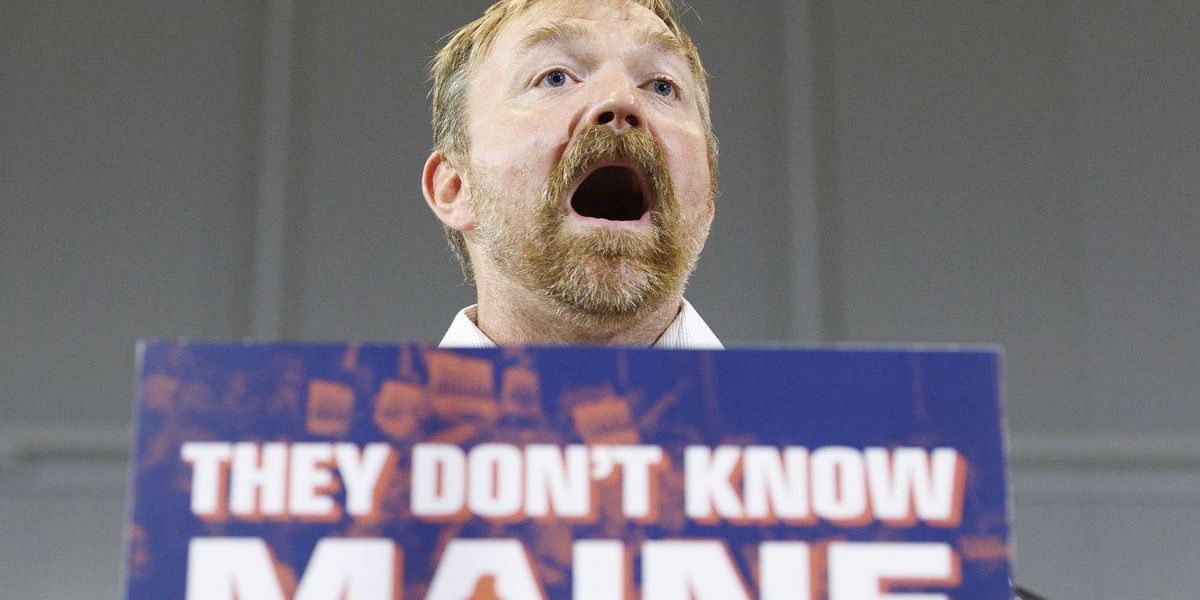
Graham Platner abruptly exited the Maine Senate race after a cascade of scandals and withdrawn endorsements, leaving Democrats scrambling to pick a new nominee with just a short window to act while Republicans prepare to defend Sen. Susan Collins and shape the narrative about accountability and character in public life.
Platner’s withdrawal didn’t come quietly. The campaign imploded amid multiple allegations and a loss of party support, and Democrats now face a tight clock to name a replacement under Maine law. For Republicans this is a moment to highlight standards and question the judgment of those who backed him. The stakes are high because this seat could influence which party controls the Senate.
Those who watched the ordeal saw a candidate who rose quickly and then crashed even faster as accusations stacked up. What started as an energetic insurgent bid turned into a liability for Mainers who want stability, not chaos. Plenty of Democrats distanced themselves once the headlines turned ugly, and endorsements evaporated almost overnight. That kind of collapse leaves voters with real questions about vetting and priorities.
Platner issued a formal withdrawal that mixed gratitude and grievance, and one line was left exactly as he placed it: “I write to formally withdraw my candidacy for United States Senate,” . He also tried to cast his exit as a sacrifice for a movement he said had energized thousands of Mainers. But the optics of a candidate stepping down under pressure undermine any narrative about a purely voluntary retreat.
In another direct line he insisted: ‘My name may have been on the ballot, but that ballot line belongs to the people of Maine.’ Those words echo his attempt to shift attention from personal controversy to democratic process. Yet the surrounding turmoil makes it harder to accept the framing as anything other than damage control. Voters will remember the headlines, not the rhetoric.
The allegations against Platner, which he denies, were widely reported and clearly changed the calculation for prominent Democrats. When party leaders and endorsers pull away, it tells a story about political survival as much as it does about principle. Several Democrats have already signaled they would step up to fill the vacancy, and that scramble will consume time and resources. Meanwhile, Republicans can lean into a message about steady governance and the need to protect Maine from headline-driven chaos.
The race for Collins’ seat was shaping up as a key contest, and now it has a new wrinkle. With only a narrow filing window, the Democratic Party must move fast to land a nominee who can compete statewide and unify the base. That rush increases the risk of choosing someone untested or poorly vetted, which could play into the hands of Republicans who emphasize experience and reliability. Campaigns run by crisis rarely recover their initial momentum.
https://x.com/grahamformaine/status/2075681947142004895
Platner’s parting line captured the tone of his campaign and the controversy around it: “People are desperate for change. For this broken system to be righted. For the American experiment to be furthered. Over the past eleven months, thousands and thousands of Mainers poured their hearts, time, and talent into a movement to deliver that vision. I will be forever grateful to them,” he added. The rhetoric aims to rally supporters, but the political reality is that withdrawn candidacies shift power to the party apparatus and to the opponent who can stay calm and consistent.
The raw language that closed one of his public statements won’t help Democrats portray unity: “F**k ICE. Free Palestine. Up the Hearts,” Platner concluded. That line will be replayed by critics and used to question both his priorities and the judgment of those who embraced him. For Republicans, it is a clear opportunity to contrast their message of law, order, and measured diplomacy with the volatility on display in the opposing camp.
What happens next will matter to Mainers and to the Senate balance. The Democratic Party’s selection process and the new nominee’s ability to campaign effectively under a compressed timetable will be central to whether they can turn this setback into a competitive race. Republicans, meanwhile, see an opening to press for accountability and to make a simple case: voters deserve leaders who behave responsibly and stand for clear, stable principles.
