
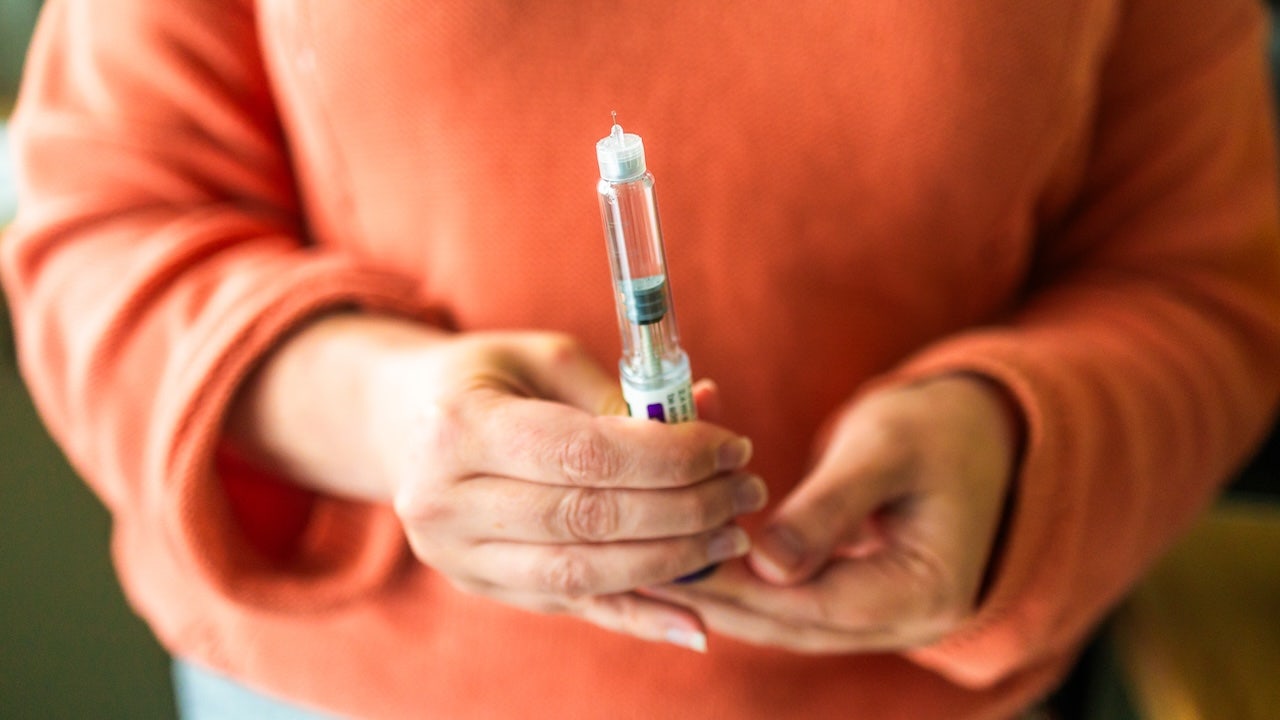
The conversation around GLP-1 drugs and microdosing has blown up, with advocates praising metabolic and longevity perks while clinicians warn about unclear protocols, costs, and side effects. This article lays out why people are experimenting, what high‑profile supporters are saying, and why many doctors urge caution and supervised use. Below you’ll find perspectives from enthusiasts and surgeons, plain language on risks, and what to ask your provider if you’re curious about trying a GLP-1.
GLP-1 receptor agonists have quickly become synonymous with modern approaches to weight and metabolic health. Beyond appetite suppression, users and some researchers point to broader metabolic effects that intrigue people trying to optimize lifespan and brain health. That promise, amplified on social media and by biohackers, is what sent microdosing into the mainstream conversation.
Microdosing means taking smaller-than-standard amounts on a spaced schedule instead of a regular full-dose regimen. For proponents, the appeal is obvious: they hope to capture metabolic gains while minimizing side effects and cost. Influencers and some public figures describe it as a gentle way to modulate blood sugar and body composition without the full-course experience of standard prescriptions.
“I am obsessed with the concept of microdosing,” he said. “I think maybe half the starting dose for diabetes is the way to go — and you probably don’t need it every seven days, it’s probably every 10 days, just to sort of modulate the amount of sugar in the blood.” That exact phrasing has fueled interest because it sounds like a simple, low-effort tweak with big payoff. But the point remains that it’s anecdotal guidance rather than a universally accepted treatment plan.
High-profile adopters add another layer: on a popular podcast, one tech investor described personal gains and framed GLP-1s as a breakthrough for aging. “There are some side effects. For example, the dose I’m on raises my resting heart rate by two or three beats, which is a big deal for me, but the benefits are great,” he said. He also declared, “GLP-1s are the first legit longevity drug,” and added, “It’s an amazing drug … There’s just nothing that rivals its efficacy.”
“I am as healthy as a person can be, and I still benefit from GLP-1s,” he said. “It has other metabolic effects, it has good neuroprotective effects.” Those endorsements make the idea feel accessible, even inevitable, for some people who want to preemptively optimize health. But personal testimony, even enthusiastic, does not replace controlled studies or standardized dosing guidance.
Clinicians looking to care for real patients tend to be more conservative. “The concern is there is no true protocol for it,” one bariatric surgeon said, noting his practice does not recommend microdosing. That comment underlines a key problem: without tested protocols, clinicians cannot reliably predict who will benefit, how to dose, or how to manage side effects long term.
“[That’s] because you’re adjusting the dose and then not getting the full benefits of the medication,” he said, pointing out the practical downside of piecemeal regimens. He’s seen patients get discouraged when incremental dosing fails to hit weight-loss targets, and he warns that intermittent strategies can mask or complicate expected side effects. “The risk is that you’re not only playing with the potential benefits, but you’re also playing with the side effects, like nausea and vomiting.”
Cost and follow-up matter as much as biology. Microdosing might seem cheaper at first glance, but if it delays effective therapy or leads to repeated adjustments, expenses can add up. The lack of a clear, repeatable protocol also increases the odds of inconsistent results, which can waste time and money for patients chasing an uncertain outcome.
At the moment, the safest path is one guided by a clinician familiar with GLP-1 medications and your medical history. Doctors can help assess risks, monitor heart rate and gastrointestinal effects, and set realistic goals tied to a dosing strategy. As interest grows, expect more formal studies and practice guidelines to emerge, which will help move microdosing from speculative trend to evidence-based option or a discarded experiment.
