
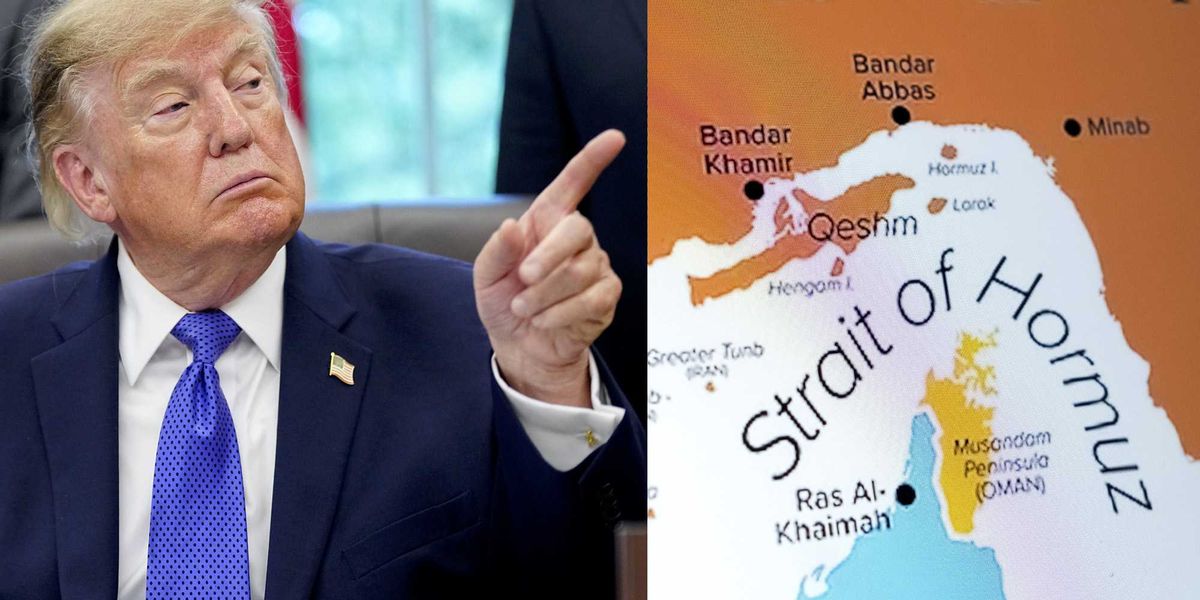
Oil markets are getting a fresh reminder that geopolitics can still shake prices fast, but not always in the way traders expect. Iran’s grip on the Strait of Hormuz appears to be loosening in practical terms, and that shift is helping crude exports find room to move again.
The Strait of Hormuz has long been one of the world’s most important chokepoints, a narrow passage where a huge share of global oil passes through every day. For years, Iran has leaned on its position near that corridor to project power, rattle markets, and keep rivals guessing about what might come next.
But pressure, deterrence, and changing conditions have made that leverage less absolute than it once seemed. As the power balance shifts, oil flowing out of the region is showing signs of resilience, and that is changing the tone in energy markets that once had to brace for the worst every time tensions rose.
That matters because crude prices do not move in a vacuum. When traders believe supply could be cut off or disrupted, prices tend to jump first and ask questions later. When the threat looks less immediate, the market often starts to breathe easier, and that can ripple quickly into gasoline expectations for drivers.
Iran’s influence has always been tied to both hard power and perception. Even when shipments were still moving, the mere possibility of disruption was enough to spook buyers, push up insurance costs, and keep energy firms on edge. Now, with exports rebounding and the stranglehold weakening, that fear premium is not carrying the same punch.
The rebound is also a reminder that sanctions pressure and regional pushback can matter over time. Energy markets may react sharply to headlines, but the longer game often comes down to whether a country can actually sustain control, maintain revenue, and keep customers willing to do business under pressure.
For consumers, the biggest question is always whether all of this turns into relief at the pump. Gas prices are influenced by a messy mix of crude supply, refinery output, shipping costs, and global demand, so no one factor decides everything. Still, when a major oil chokepoint looks a little less fragile, that usually takes some heat out of the market.
The political angle is hard to miss either. President Donald Trump has spent years treating energy security as a national strength issue, not just an economic one, and this kind of shift plays directly into that view. A weaker Iranian grip on one of the world’s most sensitive waterways is exactly the sort of development that can make markets feel less cornered.
None of this means the region is suddenly calm or predictable. The Middle East remains volatile, and even a small flare-up can send energy traders scrambling in a matter of minutes. But the balance of risk looks different when Iran is no longer able to squeeze the Strait of Hormuz with the same force, and that difference is now showing up in crude export trends.
Markets are always watching for the next shock, yet sometimes the bigger story is the slow unraveling of a threat that once looked permanent. In this case, the steady erosion of Iran’s hold on the strait is helping oil move, buyers plan, and pressure on prices ease just enough to matter.
