
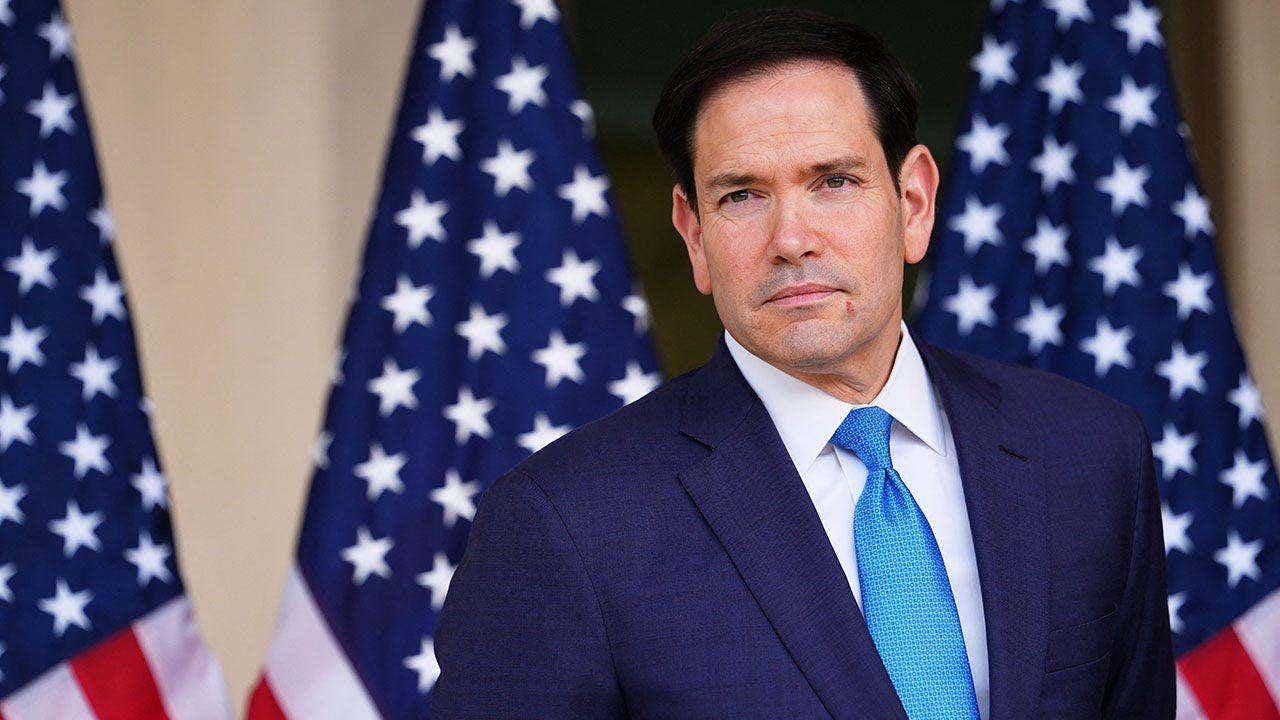
Marco Rubio says the thwarted plot near a U.K. military base points to a much bigger threat than a local arrest story. The episode has set off fresh alarm over foreign involvement, possible links to Iran, and the way allied security services are handling threats that can move fast and stay murky.
Rubio made it clear the incident was serious and not something to brush aside. He said the plot “clearly involves the hands of a foreign actor,” and hinted that more details would surface soon as investigators keep pulling on the thread.
During his appearance on “Hannity,” Rubio said, “What happened, what almost happened, what could have happened in the U.K. over the weekend is a very serious situation,” and then added, “I won’t get into great detail about that yet.”
He also tied the danger to broader warnings about U.S. interests abroad. Rubio said countries like Iran have openly threatened American targets around the world, and he stressed that any attempt would bring consequences. “We’re going to always take that very seriously. There will be repercussions for that, if it ever were to happen or even attempted.”
The incident centers on RAF Fairford in western England, where British police declared a major incident after arrests early Sunday. Officials later said five men were released on bail, but the investigation kept going and police were still looking at whether people acting for a foreign state had a role.
Reports from the scene added another layer of unease. A source familiar with the matter told Reuters that three large white vans linked to the suspects did not contain viable explosives, but security around the base had been tightened beforehand, suggesting authorities believed the site could be targeted.
Rubio thanked British partners for helping stop what he called a “very serious threat.” He said, “I want to thank the U.K. for their cooperation and their help on it,” while also warning that more information would continue to come out in the days ahead.
President Donald Trump also weighed in from the White House, saying the incident “might be” connected to Iran. He said he would not have put the suspects on bail, adding bluntly, “I wouldn’t have done that.”
On the ground, the response was intense. Police cordoned off the area, roadblocks went up, and nearby residents were evacuated while investigators worked through the details of what happened around the base.
Local reporting described a tense scene before the arrests, including a farmer who noticed three large vans parked near the road and a group of hooded, masked men running off. One neighbor driving past the base was reportedly told by U.S. security personnel to stop and put their hands out of the car.
The broader context is impossible to ignore. Western governments have spent years warning about hostile actors from Iran, Russia, and other places using proxies, covert planning, and destabilizing activity to cause trouble without always showing their hand.
Britain has already raised its national terrorism threat level to its second-highest setting, and it has imposed sanctions on people and groups tied to Iran over hostile activity. Iran has denied involvement in this case, just as it has denied other accusations in Britain and elsewhere, but the scrutiny is not going away anytime soon.
Rubio’s remarks also fit a wider mood in Washington, where officials are watching foreign threats with less patience and more suspicion. The idea that a plot near a U.S.-used air base in Britain could be tied to a foreign state is exactly the kind of scenario that keeps national security teams on edge, especially when the early facts are still shifting.
That is why the coming days matter so much. The arrests, the bail decision, the foreign actor angle, and the talk of repercussions all point to a case that is still unfolding, with allies on both sides of the Atlantic trying to figure out who was behind it and how close the danger really came.
