
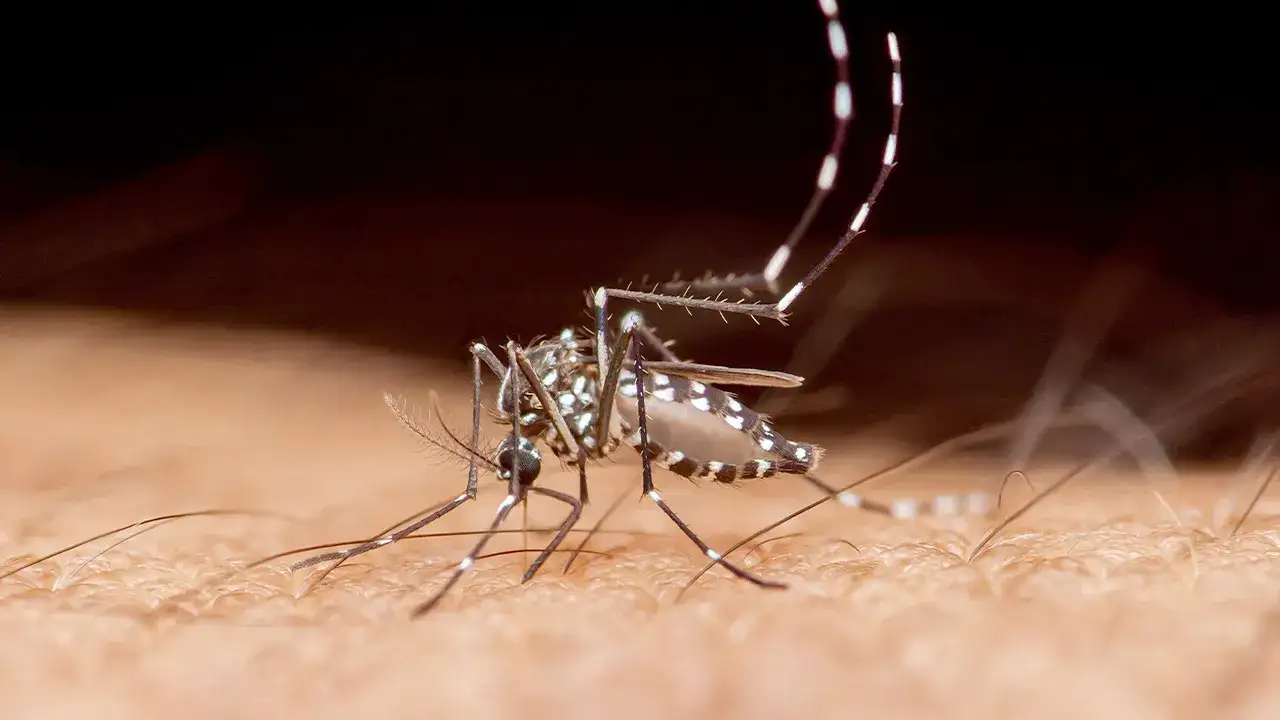
Florida has now logged its first confirmed dengue death of 2026, a grim marker in a year when mosquito-borne illness has become harder to ignore. The case has pushed Tampa Bay into sharper focus, where health officials are tracking rising local transmission and warning residents that the disease can turn serious fast.
Gay Small of Hillsborough County died on Sept. 4, her 80th birthday, after complications from dengue led to septic shock and multi-organ failure. Her family believes she may have been exposed years earlier while traveling abroad, a detail that matters because a prior dengue infection can raise the risk of severe illness later on.
Her daughter described the loss as painfully unfair, saying her mother had taken good care of herself and stayed active. That sense of shock has followed the family because dengue often hides in plain sight until it suddenly doesn’t.
The disease is spread through the bite of an infected mosquito, and in most cases it causes fever, aches, nausea, and rash. Many people recover, but some develop severe dengue, which can quickly become life-threatening if the body starts to fail.
Health officials say the situation in Florida is tied to locally acquired cases, meaning people are getting sick where they live rather than during travel. That distinction is a big deal, because it shows the virus is not just being imported, it is circulating in neighborhoods where mosquitoes can keep the chain going.
Hillsborough County has been at the center of the outbreak, with nearby Pinellas County also under mosquito-borne illness alerts. County mosquito crews have been stepping up inspections, surveillance, and spraying as the case count climbs and more breeding sites are found.
The bug that spreads dengue likes tiny pockets of water, which makes everyday backyard clutter a real problem. Buckets, plant saucers, discarded toys, old tires, and even small containers can become nurseries for the mosquito if water is left sitting long enough.
Officials are also leaning on the familiar “three Ds” because they work when people actually use them. Dress in long sleeves and closed-toed shoes, defend with a repellent that includes DEET, picaridin, IR3535, or oil of lemon eucalyptus, and dump standing water around the home before mosquitoes get a foothold.
That advice sounds simple, but the risk is real enough that the Florida Department of Health has been moving fast. The state confirmed the death after finishing its investigation, while local experts pointed out that a dengue death had not been recorded in the Tampa Bay area in nearly a century.
The outbreak has also put a spotlight on how quickly dengue can spread once it finds the right conditions. Mosquitoes do not respect county borders, and people moving through the region every day can give the virus a fresh ride into new places.
That is why control teams have widened their response, including aerial and ground treatments in areas where mosquito activity has been tied to dengue. Recent testing has offered one encouraging sign, with thousands of mosquitoes coming back negative, but officials are not treating that as a reason to relax.
Even with the current concern, the disease still tends to fly under the radar for many people because symptoms can be mild or absent. But if fever breaks and warning signs suddenly show up, things can turn dangerous in a hurry, especially if there is severe stomach pain, repeated vomiting, unusual bleeding, trouble breathing, or extreme fatigue.
Doctors say that window matters because severe dengue can escalate fast, and quick medical care can make a major difference. In a state where mosquito season seems to stretch longer every year, that warning is landing with extra force in communities already on edge.
