
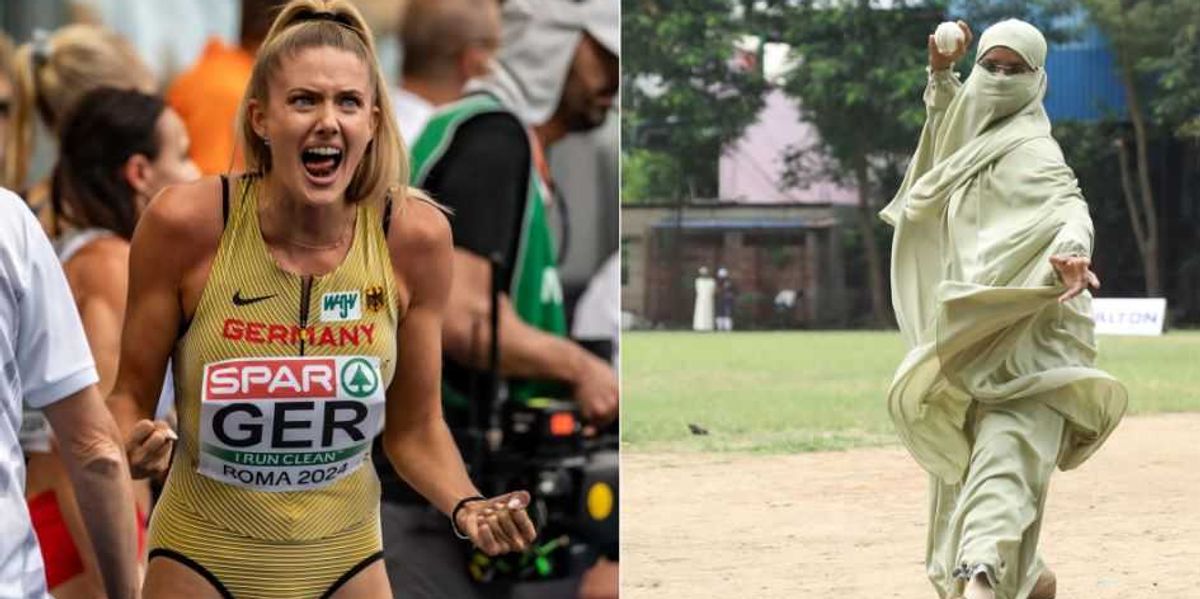
There is a strange new tug-of-war around women’s sports, where talent, image, and outrage keep crashing into each other. Some voices want athletes treated as polished symbols, while others insist the spotlight itself has become the point, not the game. That tension is shaping how female stars are marketed, judged, and talked about across Europe and beyond.
The discussion often starts with the obvious fact that elite women athletes can be admired for more than results alone. Their style, confidence, and public presence have become part of the entertainment machine, and that machine never misses a chance to feed on attention. Once an athlete becomes a social-media fixture, the conversation can slip from performance into spectacle almost overnight.
That is where the friction gets messy. Fans who say they are celebrating beauty or charisma are sometimes accused of reducing athletes to body parts and online bait, while critics of the outrage say the modern sports world is built on visibility and branding anyway. The result is a culture that can look progressive on the surface but still runs on old-school impulses about women being watched, rated, and discussed.
European commentary has leaned hard into this debate, especially when it comes to women with large followings who seem to sit at the crossroads of sport and lifestyle content. Athletes like Livvy Dunne and Alica Schmidt have become lightning rods because they are more than competitors, and that makes some people uneasy. Their popularity forces a blunt question: is the audience appreciating athletic excellence, or just feeding an attention economy that rewards looks first and everything else second?
That question lands differently depending on who is asking it. Some feminist critics see a fresh version of the same old trap, where women are told they are empowered right up until their appeal becomes too visible. Others argue that calling every admiring glance “sexist” can sound like a lecture from people who dislike the fact that audiences are not interested in tidy moral scripts.
There is also a media angle that keeps the whole thing spinning. Sports coverage now lives in a world where television clips, phone videos, and influencer-style posts all compete for the same eyeballs, and female athletes often get pulled into that swirl whether they want it or not. If a story can be framed as culture-war drama, it moves fast, gets amplified, and leaves the actual sport somewhere in the back seat.
That does not mean the criticism is fake. Plenty of coverage really is shallow, and plenty of online behavior really is gross, lazy, and reductive. At the same time, treating every discussion of attractiveness as a moral failure can flatten reality, especially when many of these athletes are actively shaping their own public images and cashing in on the world that image creates.
What makes the debate so sharp is that women’s sports has gained ground partly because athletes now know how to command attention in a crowded market. That is not a betrayal of the game, even if it annoys people who want athletes to stay neatly inside a box. The whole industry is built on personalities as much as stats, and pretending otherwise only makes the conversation more hypocritical.
In the end, the argument is not really about whether female athletes should be noticed. They already are, and that genie is not going back in the bottle. The real fight is over who gets to define that attention, who profits from it, and whether women in sports can stay in control while everyone else keeps trying to turn them into a symbol, a cause, or a headline.
