
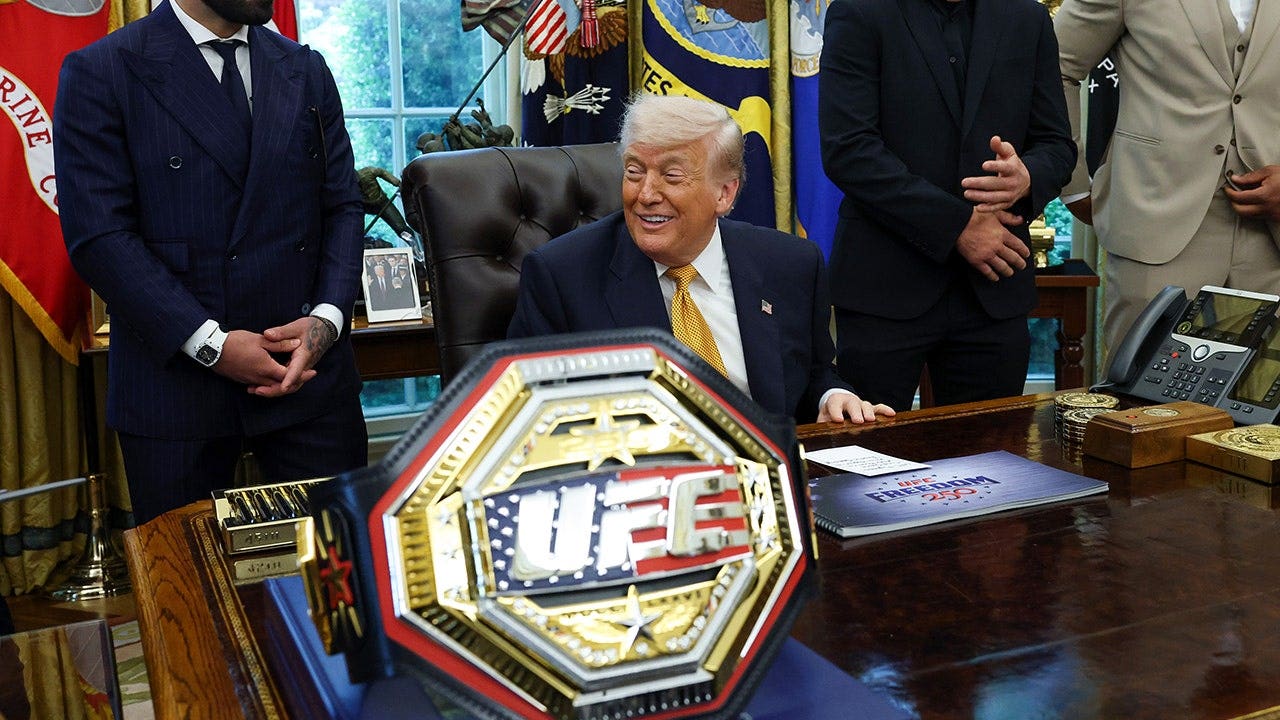
The federal lawsuit trying to stop UFC Freedom 250 from taking place on the White House South Lawn has kicked off a fight over permits, process, and precedent. Plaintiffs say organizers skipped required permitting and environmental reviews, and defendants say the event is within the administration’s rights. This story digs into the legal claims, the stakes for presidential control of the grounds, and why Republicans see the challenge as politically driven and dangerous for future public events.
The event at the center of the controversy was planned as a high-profile mixed martial arts spectacle on the South Lawn, a place usually reserved for official ceremonies and occasional public gatherings. Organizers described it as a celebration and a fundraiser, but opponents immediately focused on process. The cry from critics was that normal permitting rules and environmental checks were bypassed, and that set the stage for a federal lawsuit aimed at stopping the event in its tracks.
The lawsuit filed in federal court alleges that event planners ignored clear permitting requirements and skipped environmental reviews that are supposed to protect public spaces and nearby neighborhoods. Those are technical claims on their face, but they carry real bite if a judge finds the required procedures were not followed. Plaintiffs want an injunction to halt the event, arguing that the violation of rules is not a small oversight but a legal barrier to holding mass events on federal grounds without proper clearance.
From a Republican perspective, the filing looks less like a neutral enforcement action and more like political theater. When the White House chooses to host an event, it is exercising executive authority over its own grounds, and a rush to court feels like an attempt to weaponize federal procedure to score partisan points. Republicans are pointing to precedent where administrations of both parties used the South Lawn for a variety of purposes, and they argue that selective litigation undermines the regular operation of the presidency.
Legal questions here are straightforward but consequential. Does the White House need separate permits beyond its own internal approvals to stage an event on the South Lawn? Were environmental reviews required under federal statutes, and if so, were they lawfully waived or completed? The answers will hinge on statutes, prior practice, and how courts balance administrative procedure against the executive branch’s control of its residence and grounds.
Beyond the courtroom, this dispute raises policy concerns Republicans want to stress: if legal challenges become the default way to stop an event a political faction dislikes, the presidency can be hobblod by litigation. Public events have always walked a line between spectacle and ceremony, and the administration argues it has long-standing authority to schedule activities on the South Lawn. GOP voices say that allowing politically motivated lawsuits to dictate what happens there would invite a wave of interference every time a president tries to communicate with the public.
The plaintiffs will need to show not only that rules exist but that skipping them caused a concrete harm deserving of an injunction. Defenders of the event will emphasize any internal approvals and historical practice, arguing that courts should not micromanage presidential property decisions. Expect both sides to trade technical legal briefs and practical arguments about fairness and precedent as they jockey for advantage before a judge decides whether to halt the event.
There are also optics and messaging consequences that matter to Republicans. Hosting a commercial entertainment event on the South Lawn invites criticism, but shutting it down via court action sets a different tone: it turns civic disagreements into legal battles. GOP strategists are likely to use that contrast to frame the lawsuit as a partisan stunt meant to punish an administration for using its own property in a high-profile way.
Whatever the outcome in court, the case will shape future access to the White House grounds and how administrations plan large events. If judges require more exhaustive permitting and environmental process for everything hosted there, the calendar for presidential activities could become far narrower. Republicans warn that creating new procedural hurdles through litigation will not only slow down events but also encourage a never-ending stream of challenges aimed at hampering presidential communications and public gatherings.
