
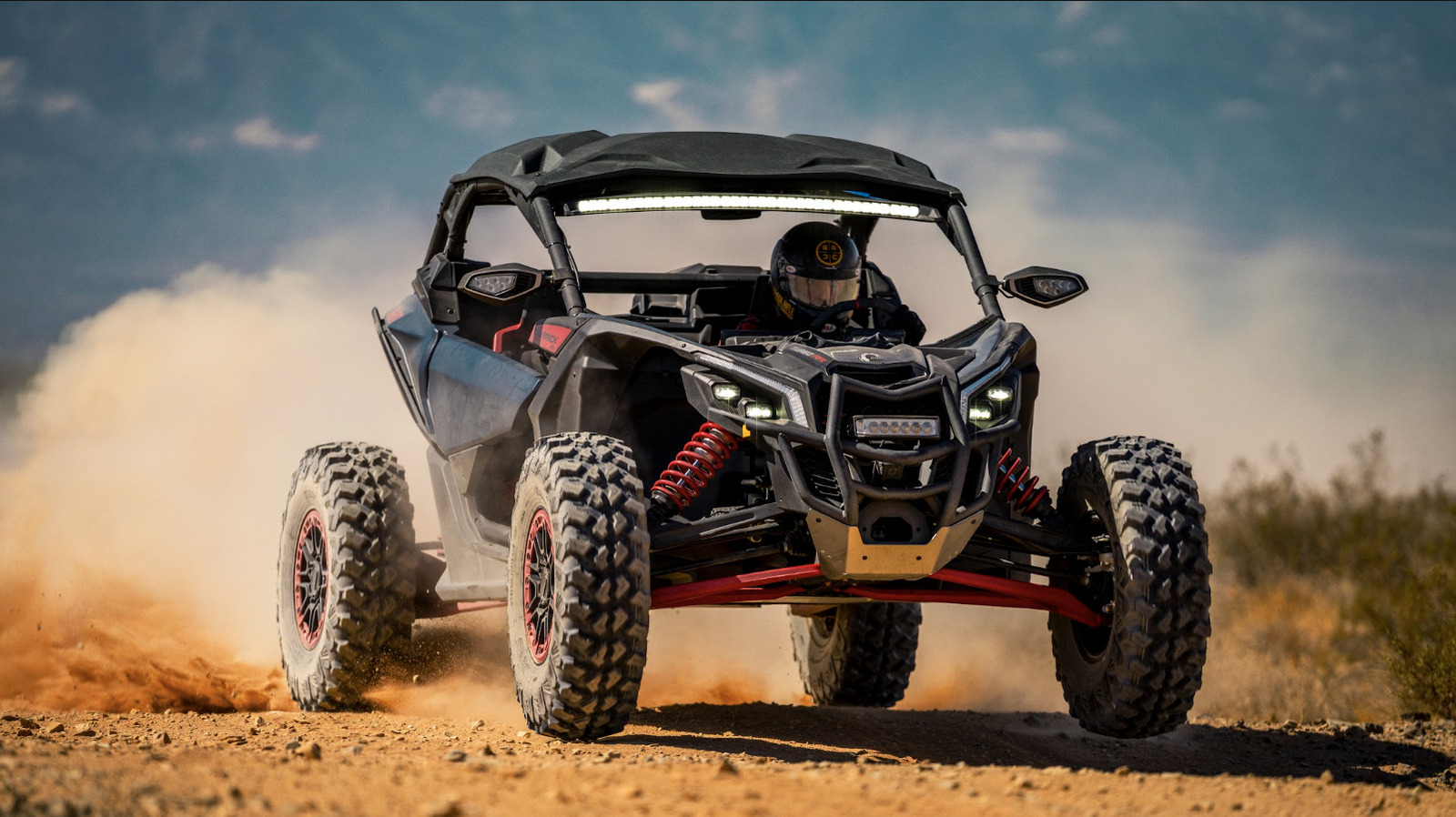
Buying a side-by-side is about more than picking a shiny model off the lot; it’s about assembling the right combo of power, protection, and practicality so that every trail ride turns into a controlled good time. This guide condenses advice from a race-winning expert into clear priorities you can actually use when shopping. Expect actionable points on drivetrains, chassis choices, safety gear, and sensible extras that make a sled work harder and last longer.
First, decide how you plan to use the machine and stick to that plan when you compare models. If racing or aggressive trail riding is in your future, you need a chassis that’s stiff but predictable, not something built for casual backroads that flexes under stress. Think long term: a platform that tolerates upgrades will save you grief and money down the line.
Engine and transmission choices matter more than showroom bells and whistles. Go for engines with broad torque curves; they make technical climbs and towing feel effortless rather than frantic. Favor transmissions with proven durability and easy service access, because being able to swap fluids and filters without tearing the whole thing down keeps you on the trail and out of the shop.
Tires and suspension are where a ride’s personality is written, so don’t get cute with bargain components. Choose suspensions tuned for the terrain you run most often, with adjustability for preload and damping so the machine can be dialed in. Match that setup to tires that balance traction and longevity; a great tire can transform how the whole sled steers and brakes.
Safety gear and cockpit protection should be purchased before any performance upgrades. Roll cages, seats with proper bolstering, and multi-point harnesses reduce risk and keep you planted when things get rowdy. Add quick-release features where practical so extraction and repairs are straightforward after a spill or mechanical stop.
Practical add-ons can be performance multipliers when chosen with purpose. A quality winch with a synthetic rope and a reliable mounting plate saves long recovery hassles, while reinforced racks and secure cargo boxes turn the side-by-side into a real workhorse without compromising balance. Keep electrical expansions minimal and fused to avoid gremlins that show up miles from help.
Don’t ignore a maintenance plan—race teams don’t win by luck, they win by service intervals and parts knowledge. Build a checklist that includes common wear items and schedule inspections after heavy days, not just at the next oil change. Stock the right spare parts and tools so you can fix the most likely failures on the trail instead of waiting for a tow.
Finally, treat the purchase like a long-term relationship: test what you can, ask racers how their machines behave in real conditions, and resist the flashiest specs that don’t match your riding style. Small, thoughtful upgrades win more often than overreaching from day one, and the right choices let you chase speed and freedom without chasing constant repairs.
