
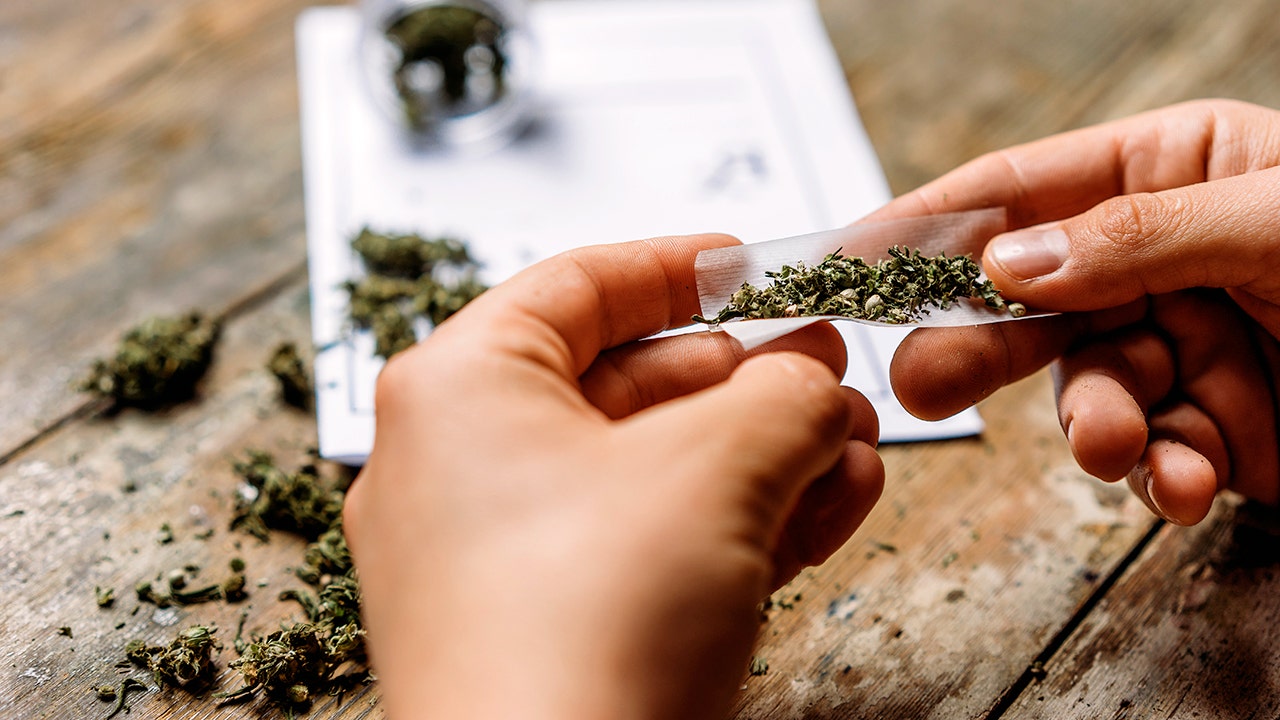
Legalizing cannabis came with a simple promise: regulate it, tax it, and shut down the black market. That promise didn’t stick. Instead we got a smaller legal industry, steady or rising use, and an underground trade that keeps humming.
National data show more Americans using marijuana, not fewer, which should worry anyone who values public safety. SAMHSA reports past-month marijuana use rose from 37 million people in 2021 to more than 44 million in 2024, and past-year use hit record highs. Yet in the same window, California’s licensed sales have fallen three years running, which is a red flag.
Here’s the math that makes people uncomfortable: legal sales in California were $4.4 billion in 2023, $4.2 billion in 2024, and $3.9 billion in 2025, a roughly 11 percent drop over two years. If demand is growing while regulated sales shrink, consumers are finding product elsewhere. That gap is the clearest evidence legalization didn’t erase the black market.
Regulated shops did something legalization advocates celebrated: they normalized pot and expanded the customer base. But normalization and glossy retail windows didn’t translate into capturing those customers forever. Licensed sellers spend heavily on recruiting customers who can then buy cheaper from unlicensed dealers.
Illegal suppliers avoid licensing fees, testing costs, regulatory compliance, extra labor rules, and multiple layers of taxation, so they can undercut regulated prices. The legal industry is saddled with expenses the black market never faces, which explains why so many licensed businesses are folding or surrendering licenses. California now lists more than 10,000 inactive or surrendered cannabis licenses, a tally that outpaces active outlets.
MARIJUANA IS NOT HARMLESS. THE OPPOSITE IS TRUE AND THE EVIDENCE KEEPS GROWING shows up in the argument, and for many Republicans that matters. Rising consumption raises public health questions and strains enforcement priorities, especially when illicit product can be more dangerous and harder to trace. Reports of illicit packaging and distribution have become a recurring problem in the same communities told legalization would make neighborhoods safer.
MILLIONS OF ILLICIT CANNABIS PACKAGES DISGUISED AS CHILDREN’S CANDY SEIZED IN CALIFORNIA is a blunt reminder that what’s illegal can also be the most toxic. The black market doesn’t test or label consistently, and it often targets convenience and secrecy over safety. That undermines the very consumer protections legalization was supposed to deliver.
Local budgets also took a hit. Municipal and state tax collections that were counted on as steady revenue have softened, and some cities are scrambling to adjust forecasts. Across markets, investors have punished cannabis stocks; one major cannabis-sector fund reported a -67.40 percent one-year return for the fiscal year ending June 30, 2025, while the S&P 500 rose 15.16 percent during the same period.
The upshot is a market split in two: licensed retailers and unlicensed sellers operating side by side, competing for the same customers. By some estimates more than 60 percent of the marijuana consumed in California still comes from outside the regulated system, which makes legalization look less like a cure and more like a reshaping of the market. That result is the opposite of what many reformers promised.
Policy makers wanted fewer criminals and safer products, but what they got was a legal industry that boosts demand and a resilient underground economy that undercuts it. That leaves taxpayers, regulators, and communities with the costs and few of the benefits that were sold as inevitable. If public safety was the goal, the current outcome deserves a hard rethink rather than more cheerleading for a policy that hasn’t delivered.
