
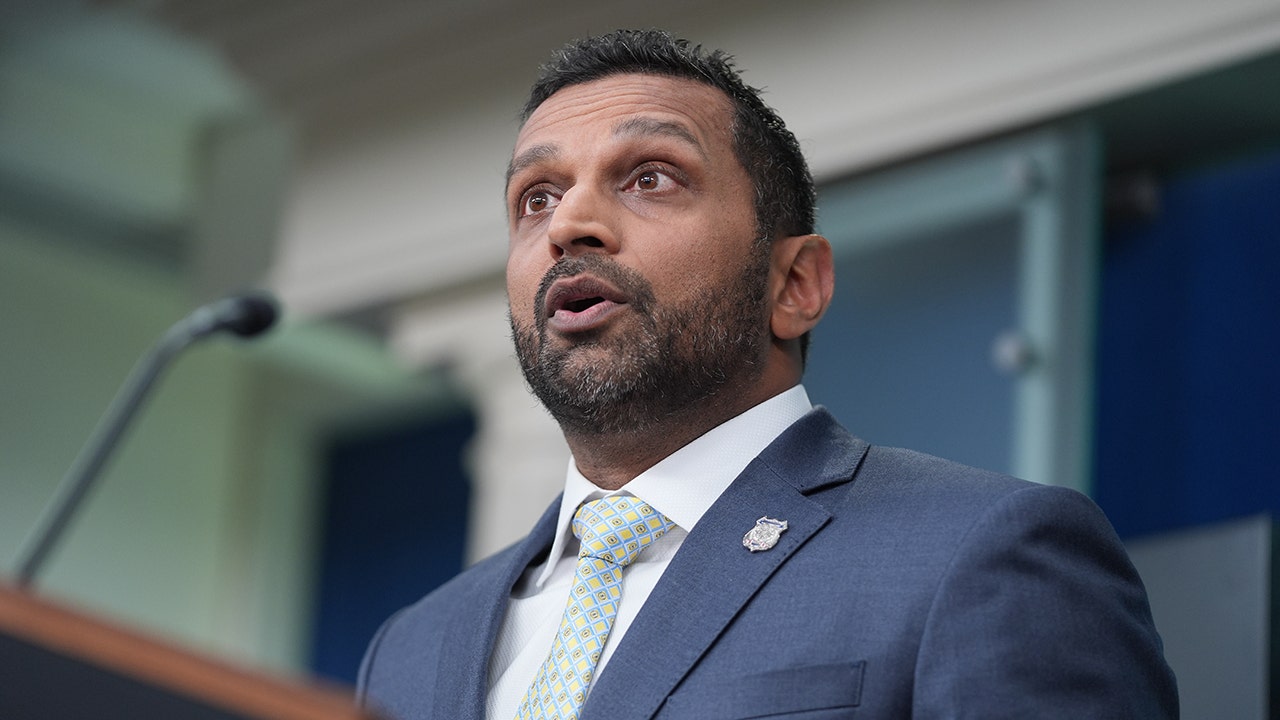
The head of the FBI had his personal email compromised by an Iran-linked hacking group, exposing years of photos, travel details and messages and underlining a simple fact: your personal inbox is a battlefield. Officials say no classified systems were breached, but that distinction misses the point—attackers are weaponizing ordinary accounts. This piece walks through what happened, why personal accounts are prime targets, and straightforward steps you can take to lock down your digital life. Read this as both a warning and a call to take action now.
The FBI confirmed malicious actors targeted the personal email of Kash Patel, and a group calling itself the Handala Hack Team claimed responsibility while operating out of Iran. Stolen items reportedly include photos, travel details and older messages dating back more than a decade, from about 2011 through 2022. Even if the breach didn’t touch classified systems, it’s still a serious compromise of privacy and operational security.
FBI SAYS ‘MALICIOUS ACTORS’ TARGETED PATEL’S PERSONAL EMAIL, IRAN-BASED HACKING GROUP CLAIMS RESPONSIBILITY This case shows how state-linked cyber actors are willing to go after individuals connected to government or politics, especially when geopolitical tensions rise. The pattern is clear: adversaries probe weak spots and exploit them, then use stolen material for influence, embarrassment or leverage.
Authorities report no classified data was exposed, yet the U.S. State Department has offered up to a multimillion-dollar reward for information on members of the Handala Hack Team. That kind of bounty signals the seriousness of the threat, but it also highlights a hard truth: deterrence at the state level matters and citizens must harden their own defenses. Expect these campaigns to continue unless both sides of that ledger improve.
An expert called the exposed material a personal junk drawer. That phrase lands because most people keep a digital pile of attachments, receipts and notes they never thought much about. When those items leak, they can be shaped into credible social-engineering lures or used to piece together sensitive timelines and movements.
This was not a random smash-and-grab. Groups tied to Iran and other foreign adversaries have repeatedly targeted Americans with government or political connections and ramp up activity during flashpoints. Private companies and institutions are hit too, which demonstrates coordination and a broad appetite for disruption tied to geopolitical objectives. That breadth of targets should concern anyone who values national security.
Why personal accounts? Simple: they are easier to break into. People reuse passwords, ignore updates and treat old email accounts like storage closets. Once attackers gain entry, they can reset passwords on other services, impersonate the victim, siphon funds or plant misinformation that looks authentic because it’s built from real, stolen material.
The first move is two-factor authentication. The second is unique, strong passwords managed in a password manager instead of sticky notes or memory. The third is vigilance: treat your inbox as the master key and protect it accordingly.
Do a digital cleanup. Delete old messages that contain travel details, financial records or attachments you don’t need, and move crucial documents to secure, encrypted storage. Use separate email addresses for banking, shopping and personal correspondence so a single breach doesn’t cascade across everything you own.
Defenses stack up. Use passkeys where available so logins are tied to a device and cannot be phished, enable two-factor authentication for every account that supports it, and keep devices patched to close known security holes. Run reputable antivirus that blocks malicious downloads and suspicious links, and consider services that request removal of your personal information from data broker sites to shrink what attackers can harvest.
These threats won’t go away because attackers are adaptable and persistent, but the most common failures remain basic: weak passwords, stale accounts and inattention. That means real protection starts with individual choices. Be proactive, keep your digital life tidy, and demand stronger accountability from those who defend the nation so state-level threats are met with force and consequences as well as better prevention.
