
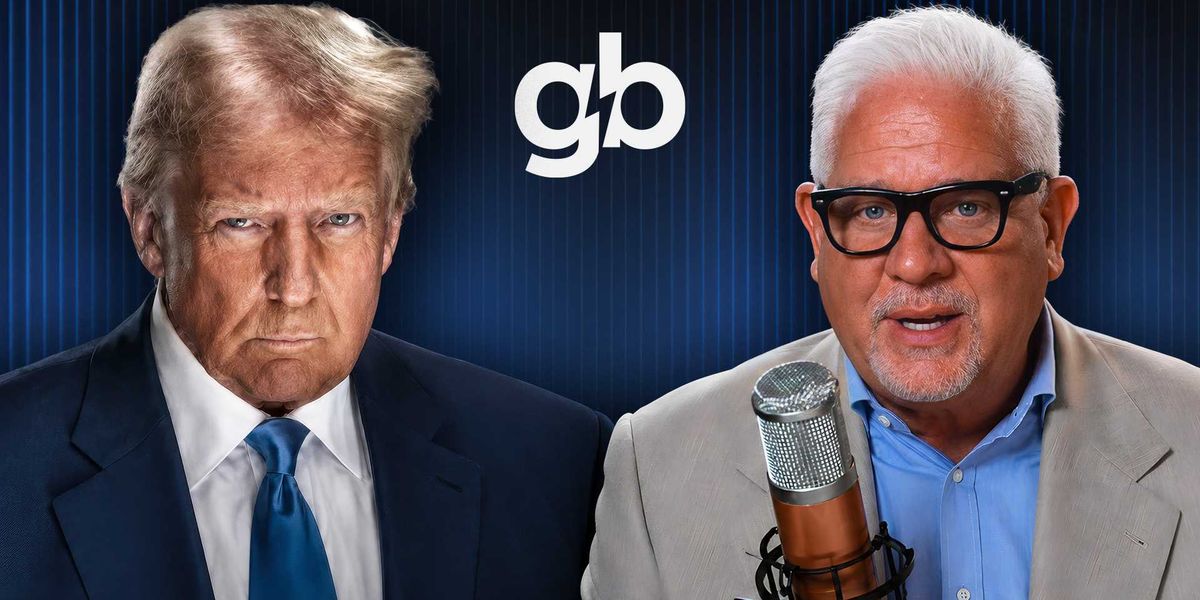
President Donald Trump signaled he is ready to dig into a problem that hits American households right where it hurts: the grocery bill. In a recent exchange with Glenn Beck, he said, “I will look at that today” when the issue turned to helping independent farmers and easing beef prices, a remark that put ranch country and kitchen-table economics back in the spotlight.
Beef prices have stayed stubbornly high, and that has left shoppers frustrated while ranchers keep dealing with a market that often feels stacked against them. Independent farmers and cattle producers are caught in the middle, squeezed by rising costs, thin margins, and a system that can punish smaller operators while bigger players keep their footing.
The conversation mattered because it tied two issues together that are usually talked about separately. One is what families pay at the store, and the other is whether the people raising the food can actually make a living doing it. When those two pieces start drifting apart, the whole chain feels it.
Trump’s comments also fit a familiar political lane for him, one focused on American producers getting a fair shake and consumers not getting crushed at the checkout line. For Republicans, that kind of message lands because it speaks to both local industry and working families without dressing it up in policy jargon. It is blunt, practical, and built around the idea that domestic agriculture should not be left to fend for itself.
Independent ranchers have long argued that they face a tougher climb than large corporate operations. Weather swings, feed costs, land expenses, and market pressure can turn one bad stretch into a real crisis, especially when beef prices move for reasons that do not always seem tied to the realities on the ground.
That tension has made the issue more than just an inflation story. It is about whether the country still values the small and mid-sized operations that keep rural communities alive, maintain open land, and support the broader food supply. When those farms disappear, the damage does not stop at the fence line.
Trump’s willingness to say he would look at the matter immediately gives the topic a different kind of energy. Voters who are tired of hearing excuses tend to respond when a leader sounds ready to step in and treat a problem like it deserves attention instead of a talking point.
Beef prices have become one of those stubborn signals people notice every time they shop, and that makes the issue politically potent. A rise at the meat counter can feel small in the moment, but over time it becomes part of a broader sense that everyday Americans are paying more while getting less breathing room.
The pressure on farmers and ranchers is just as real. They are expected to keep production steady, absorb volatility, and navigate a market that can be unforgiving, all while consumers demand lower prices and policymakers talk in circles. That is why a direct comment from Trump about helping independent farmers stood out so sharply.
There is also a bigger cultural piece here. Rural America often feels like it gets noticed only when something breaks, but agriculture remains one of the most important pillars of the country. When a president talks about beef prices and the people who raise cattle, it reaches far beyond a niche farm issue and lands in a much wider national debate.
For now, the message is simple enough: independent farmers matter, ranchers matter, and high beef prices are not just an inconvenience for shoppers. They are a sign that the system is under strain, and Trump’s remark suggests the White House is at least prepared to take a closer look while the pressure keeps building.
