
This piece traces how common words for our wheeled transport developed, following a path from ancient chariots to early steam and gasoline contenders, and shows why a handful of names survived while others fell away. You will find the linguistic roots, the early automotive labels that never caught on, and why “car” became the everyday word.
The formal term “vehicle” comes rooted in Latin, from vehiculum, built from the verb vehere meaning to carry, which gives the word a practical, almost legal tone that stuck in documents and technical writing. That dark, functional origin explains why “vehicle” still sounds official when you see it on signs and insurance forms. Its cousin words in Romance languages kept the same utilitarian flavor, so when people wanted a neutral label for anything that carries people or goods they naturally reached for this inherited Latin term.
If you go further back, many of the words we use today share a common ancestor tied to ancient chariots and carts, where the Celts and Romans coined roughly the same sounds for wheeled conveyances. The Gaulish karros and Latin carrus left linguistic fingerprints across Europe, producing the Old French words that later became carriage and cart in English. That long chain explains why modern terms like car, cart, and carriage look and sound related even though they served very different eras and technologies.
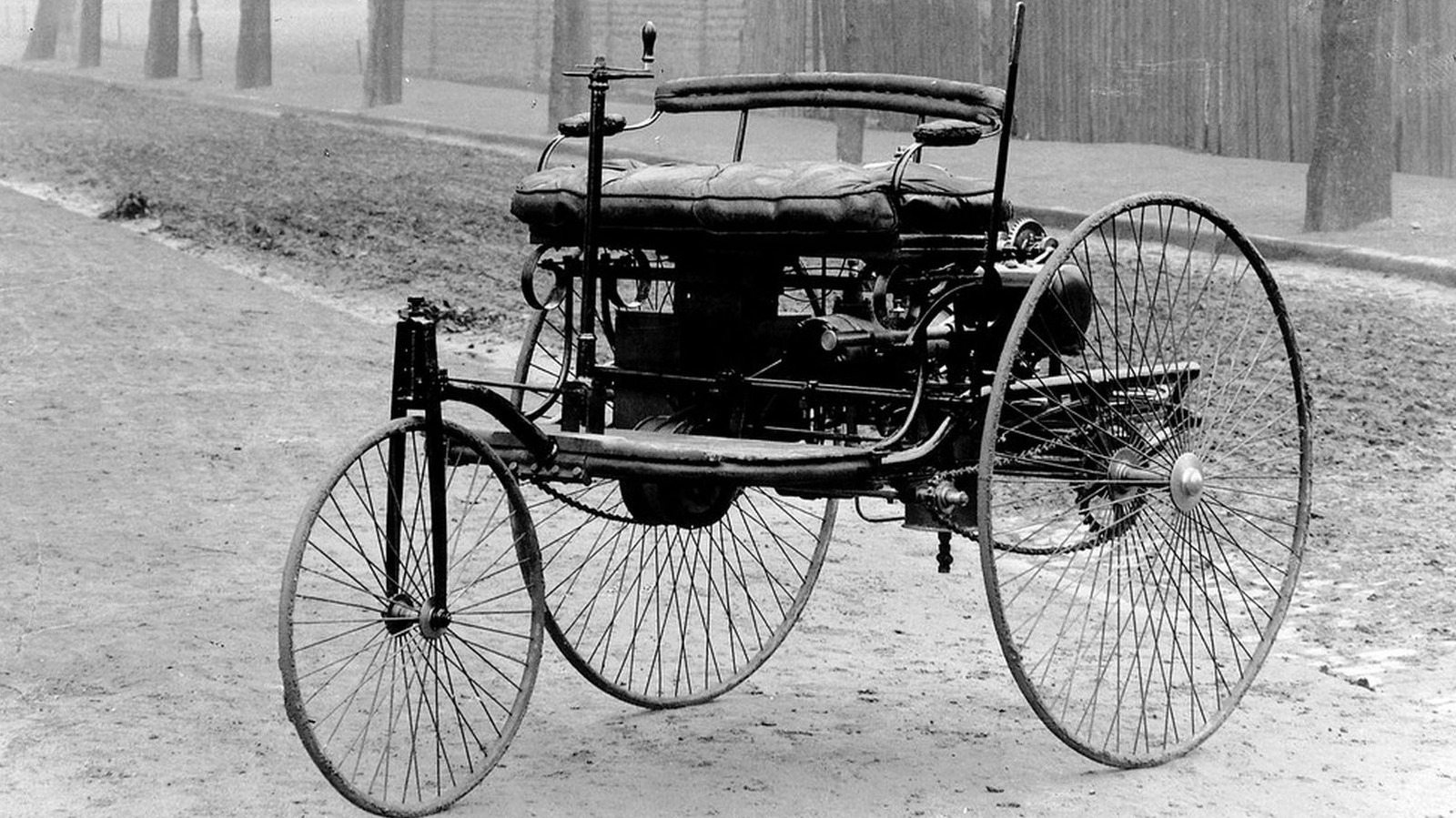
The jump from horse-drawn to motorized transport brought a burst of naming experiments, because inventors and marketers were scrambling for terms that felt modern and authoritative. Some common early candidates included horseless carriage, motorwagen, and road locomotive, each highlighting a different angle — absence of horses, a new propulsion system, or brute mechanical power. “Automobile” combined Greek and Latin parts into a sleek international label, while “motorcar” and “autocar” leaned into the engine as the defining element.
Many of those early alternatives flashed briefly in newspapers and patent filings but never achieved ordinary use, because everyday language favors short, punchy words that feel familiar in the mouth. Horseless carriage sounded descriptive but clumsy, and motorwagen felt foreign to English speakers despite its technical accuracy. Over time the clipped, familiar “car” won out because it was easier to say, fit neatly into phrases, and linked back to older words people already used for small carriages and carts.
Adoption also followed patterns of production and culture: where particular manufacturers or countries favored a term, that influence spread through advertising, manuals, and newspapers until one label dominated. In Britain and America “car” became normal for personal automobiles, while other regions kept different preferences for trucks, buses, or freight movers, using terms like lorry or omnibus historically. Still, the legal and bureaucratic side kept “vehicle” for broad coverage, which is why you see it on forms and regulations while drivers call them cars in everyday speech.
Words stick because they work in conversation, and “car” fit the bill by being brief, familiar, and versatile enough to describe a growing set of personal transport machines. Linguistic inertia, industrial marketing, and simple convenience combined to bury alternatives that were either too awkward or too technical for casual speech. The vocabulary of motion keeps evolving, but the trip from chariot to car shows how history, culture, and technology shape the words we use every day.
