
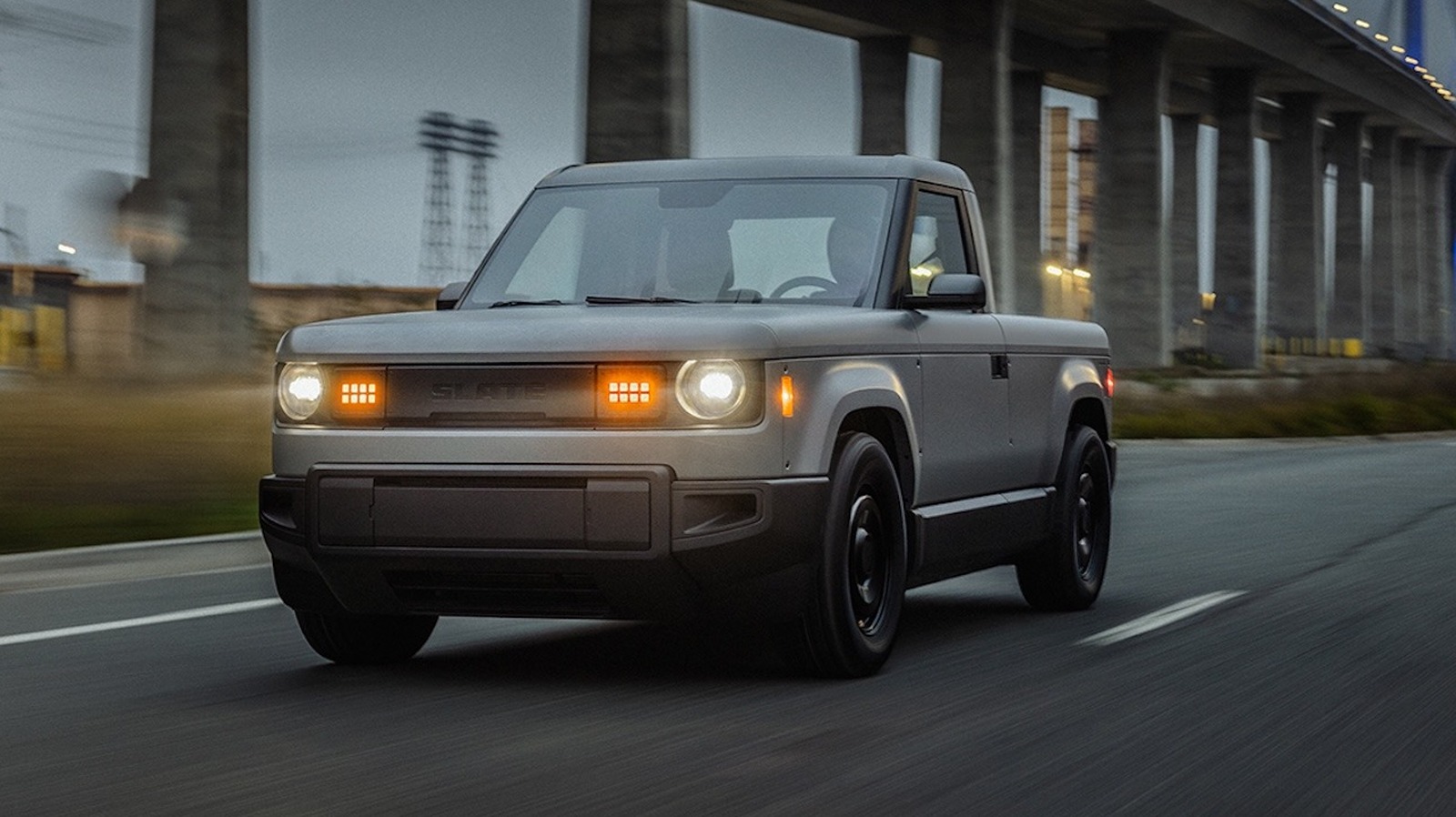
Slate’s electric pickup is heading toward production with a notable battery pivot, and the timing says a lot about where the EV market is right now. What was supposed to use an NMC pack will now rely on a cheaper LFP setup sourced from Gotion in China, a move tied closely to the end of the federal EV tax credit and the rules that came with it.
The change matters because battery chemistry is not just a technical detail, it directly affects cost, supply chains, and what kind of truck Slate can actually sell at scale. LFP batteries are usually cheaper than NMC packs, and that price break gives Slate more breathing room now that the $7,500 credit is gone.
That shift also reflects the reality that the old rules were making life harder for automakers trying to keep prices low. Under the previous setup, a vehicle had to clear strict sourcing requirements, including limits on materials and parts tied to foreign entities of concern, which shut the door on some cheaper options.
With those restrictions no longer driving the decision, Slate can chase a lower-cost path without pretending otherwise. The result is a truck that keeps its budget-friendly pitch intact, even if the final sticker is higher than the company once hoped.
The updated LFP pack comes in at 65 kWh, with 63 kWh of usable energy, and it feeds a rear-wheel-drive motor rated at 181 horsepower. Slate says the truck should hit 60 mph in about eight seconds and travel around 205 miles on a charge, which puts it squarely in practical daily-driver territory.
Price is still the big headline. The Slate Truck is now officially listed at $26,400 with destination included, which is a far cry from the original sub-$20,000 promise, but still low enough to stand out in a market where electric trucks usually start much higher.
What makes Slate interesting is that it is not trying to sell luxury or flash. The truck comes with a stripped-down personality on purpose, using manual climate controls, steel wheels, and crank windows to keep things basic and the cost down.
At the same time, it leaves room for owners who want more personality. Buyers can choose from more than 100 vinyl wraps, add seat covers, roof racks, tonneau covers, and stereo options, and even turn the truck into an SUV with an upgrade kit that adds an extended roof and rear seating.
That SUV conversion is especially unusual because it blurs the line between work truck and family hauler. For an extra $5,000 to $7,000, buyers can choose either squareback or fastback styling, which gives the platform a level of flexibility that most automakers would never bother offering.
Slate U adds another twist by leaning into DIY culture instead of fighting it. The free service offers instructional videos for different skill levels, plus live help and referrals when a project gets too ambitious, which makes the ownership experience feel more hands-on than polished.
That approach could be a strength if buyers are tired of expensive, overcomplicated vehicles. It could also be a gamble, because not everyone wants to assemble their own experience piece by piece, even if the price makes the idea easier to swallow.
The truck is really a test of appetite, not just for an affordable EV, but for one that proudly skips the usual premium treatment. If Slate finds a real audience, it may prove that a simpler, more modular electric vehicle still has room to win people over.
