
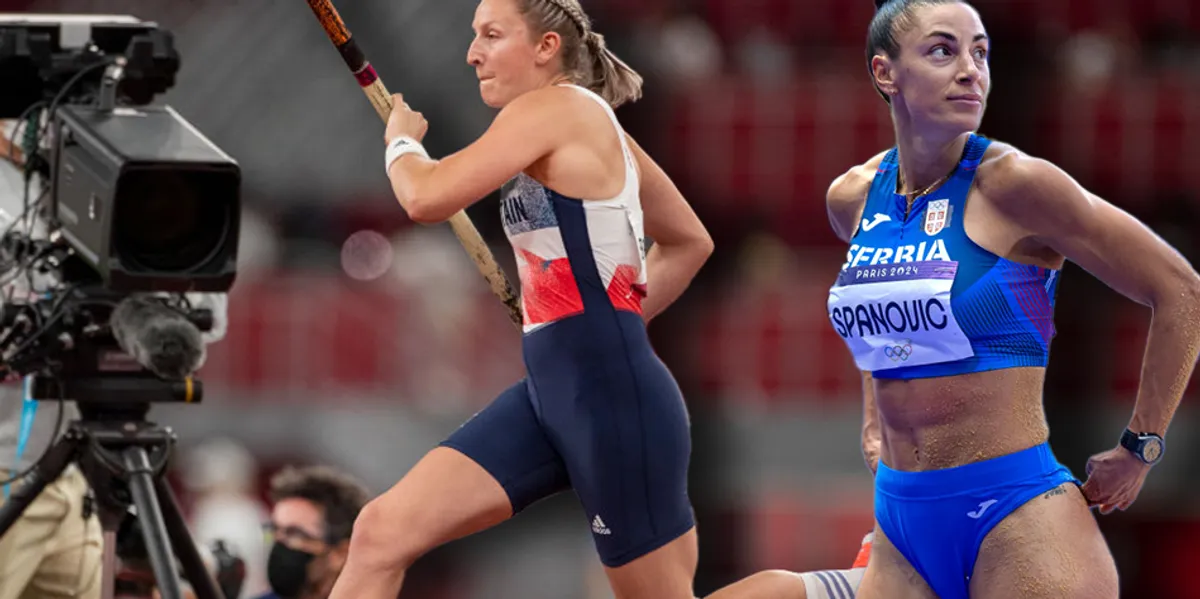
Europe’s move to clamp down on the camera’s habit of turning women athletes into side attractions has sparked a loud reaction, and not just from officials. The debate has quickly drifted past etiquette and into a bigger argument about respect, sports coverage, and the way female competitors are framed in public.
What makes this story hit a nerve is that it sits right at the intersection of athletics and attention culture. The rule is meant to stop the kind of presentation that treats women’s bodies like part of the entertainment package, but plenty of viewers are noticing that the problem did not come out of nowhere.
For years, women in track and field, gymnastics, tennis, and other Olympic sports have dealt with broadcasts that zoom in a little too eagerly on appearance. Sometimes it is framed as style, sometimes as production flair, but the message can land the same way: performance is nice, but looks are what really get watched.
That is exactly why the new restriction is getting so much notice. It is not just a technical change in how cameras operate, it is an attempt to draw a line and say that elite female athletes are competitors first, not props for the audience.
Some fans see that as long overdue. They argue that if a broadcaster would never apply the same treatment to male athletes, then the standards were lopsided from the start, and the fix is as simple as showing everyone the same basic respect.
At the same time, the pushback has exposed how normal this kind of framing has become. A lot of viewers did not need a policy memo to tell them something felt off, because once the issue was raised, the pattern was hard to ignore.
The larger sports world has been drifting in this direction for a while. More athletes are speaking openly about image pressure, body commentary, and the way media coverage can either amplify talent or bury it under cheap visual gimmicks.
That matters because broadcast choices shape public perception in a big way. If the camera keeps signaling that a woman’s appearance is the point, then younger viewers, sponsors, and even casual fans can start absorbing that message without ever stopping to think about it.
The tension here is not really about cameras alone. It is about the culture around them, and whether major sports institutions want to keep feeding old habits or finally start treating women’s competition with the same straight-ahead focus given to men’s events.
For athletes, that kind of shift is more than symbolic. It affects how their work is seen, how their accomplishments are remembered, and whether the public talks about split times, finishes, and form instead of reducing them to a moment made for clicks.
Even the critics of the new rule seem to understand the bigger picture, because the objections tend to circle back to the same place. They may call it overreach, but the fact that the subject has become impossible to brush off says a lot about how badly the old approach had worn out its welcome.
Sports still thrive on drama, personality, and emotion, but that does not mean every angle has to be exploitative. The camera can capture intensity without turning women into spectacle, and once viewers notice the difference, it is hard to go back to pretending it never mattered.
