
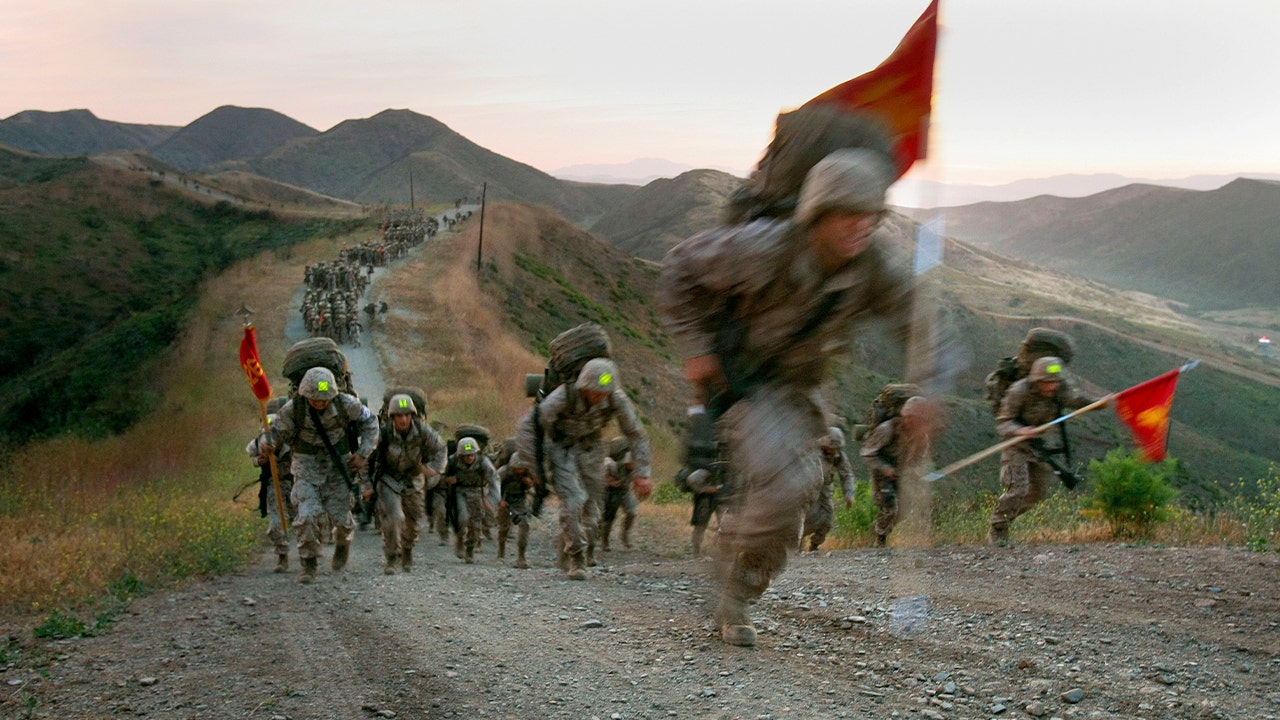
Requiring every young American between 18 and 28 to serve one year, in uniform or doing civilian work for the public good, is a straightforward prescription for rebuilding civic muscle, restoring character and narrowing the gap between citizens and the institutions that protect liberty. This piece argues that national service is a patriot’s solution: it reconnects sacrifice to freedom, builds practical skills, and stitches neighborhoods back together while addressing legal and budget questions head on.
The share of Americans who experience service firsthand has shrunk to almost nothing, and that distance matters. When fewer than 1 percent of us serve in uniform, decisions about war, peace and national priorities get made by people with little stake in the realities of duty. That detachment corrodes trust and lets the idea of sacrifice become somebody else’s problem.
ROB SCHNEIDER PROPOSES MILITARY DRAFT, URGES AMERICANS TO ‘RECOMMIT’ TO TRADITIONAL VALUES
A mandatory year of national service need not be all about combat or camps; it can include civilian roles that meet real public needs. Young people could teach children who are falling behind, help rebuild communities after storms, protect public lands and waterways, or support seniors whose families are stretched thin. Different work, shared purpose, and an expectation that citizenship includes duties as well as rights.
Character is a conservative priority because a self-governing people must be disciplined, resilient and accountable. Those traits don’t grow in comfort zones or online echo chambers; they form when people rise early to meet a common task and learn to work with those who see the world differently. National service embeds those habits through real responsibility, not lectures.
THE VIRTUE AMERICA FORGOT: WHY GRATITUDE STILL MATTERS FOR OUR NATIONAL CHARACTER
Our founders knew freedom needs citizens who understand obligation as well as entitlement. Service is the practical classroom for civic virtue: it teaches humility, teamwork and the muscle memory of duty. A nation that asks more of its people, respectfully and briefly, will have stronger civic institutions and healthier self-government.
National service also pulls people out of political silos and into shared work where stereotypes fade and friendships form. Assign a student from Boston to rebuild a home with someone from rural Alabama, or pair a Los Angeles tutor with a Midwestern volunteer, and you get practical bridges across a polarized country. Shared toil is one of the oldest remedies for division.
THE SOLUTION TO OUR POLITICAL DIVIDE IS WITHIN EACH OF US
Service has deep American roots, from the mass mobilization of World War II to the Civilian Conservation Corps in the Depression era. Those programs did more than meet immediate needs; they left enduring public goods and taught generations how to serve. Reintroducing a modern program honors that tradition while adapting it to current challenges.
FOR 2026, YOU SHOULD MAKE A RESOLUTION TO KNOW THE REVOLUTION
Yes, critics will raise constitutional alarms and call voluntary service the only acceptable option. A well-designed program can offer meaningful choices to avoid running afoul of the 13th Amendment’s ban on involuntary servitude and respect First Amendment rights. Thoughtful design and legal counsel can protect liberty while still creating an expectation that citizens contribute in a significant year of young adulthood.
Cost is another predictable objection, but the numbers put this program within reach. An upfront federal commitment of roughly $40 billion for stipends and education awards is a small fraction of the budget and an investment in human capital. Nonprofits and state partners would shoulder much of the operational load, and the economic payoff from better-educated, experienced citizens tends to outstrip initial outlays.
Some will warn that forcing service undermines liberty, but the conservative case is that liberty flourishes when citizens feel ownership of their republic. One year of shared obligation strengthens attachment to constitutional order, civic institutions and allied democracies that protect our way of life. Serving the country once in a lifetime is not a negation of freedom; it is a defense of it.
America built great things by combining individual ambition with collective effort, and we face big tasks again: repairing civic trust, closing opportunity gaps, and renewing alliances that keep the peace. A national service year is not a cure-all, but it is a practical, patriotic step that asks young Americans to put country before convenience and return with skills, perspective and a stake in what comes next.
