
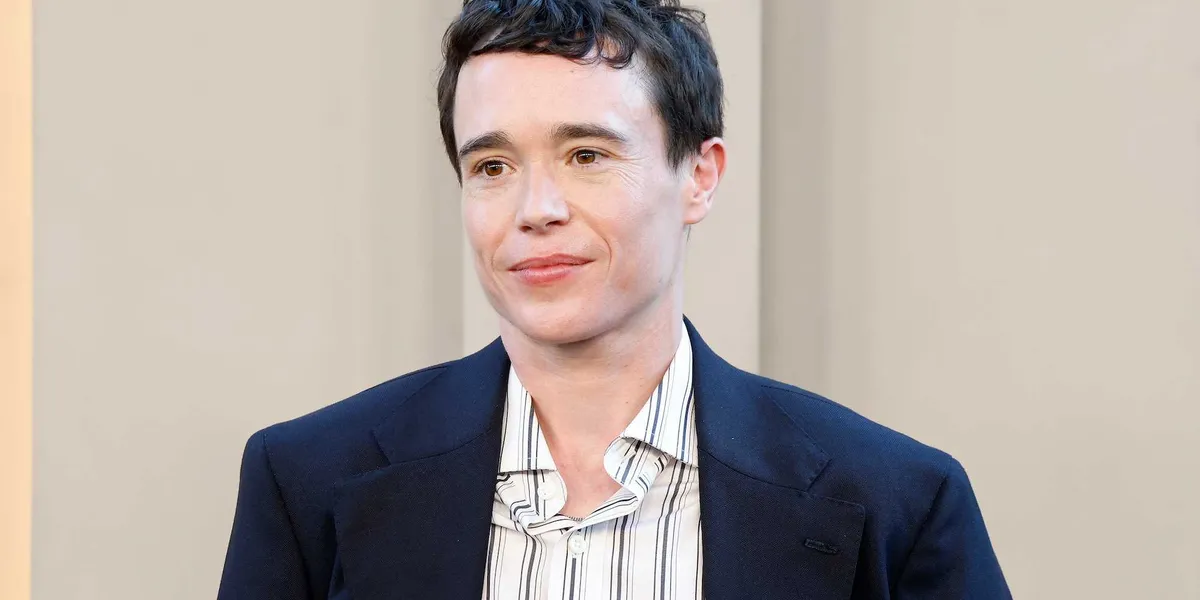
New York Magazine is taking heat after featuring Elliot Page on the cover of its debut men’s style issue, a move that immediately set off sharp criticism online. The backlash has been loud, pointed, and mostly focused on what the choice says about how modern media handles masculinity, identity, and image.
The cover landed in the middle of a culture fight that has been building for years. For plenty of critics, the reaction was not just about one magazine cover, but about a broader trend of pushing gender politics into spaces that used to be straightforward.
Supporters of the magazine see the feature as a sign of changing norms and broader inclusion. Critics see something else entirely, arguing that the stunt feels forced and disconnected from the audience the issue is supposed to reach.
The debate quickly shifted from fashion to symbolism, which is usually where these stories get heated. Once people started weighing in, the cover became less about clothing and more about the message being sent to readers about men, identity, and cultural pressure.
Elliot Page has long been a prominent figure in conversations around gender identity, and that visibility guarantees attention wherever a new feature appears. In this case, the attention came with a storm, as social media users blasted the magazine for what they viewed as a tone-deaf choice for a men’s style debut.
The criticism tapped into a larger frustration among many readers who think mainstream outlets are more interested in making statements than covering the world as it actually is. That frustration has made even a single magazine cover feel like a flashpoint in a much bigger argument.
Masculinity itself has become a culture-war buzzword, and this cover dropped right into that mess. Some saw it as a deliberate attempt to blur lines, while others argued it reflects a media class eager to redefine those lines whether the public wants it or not.
That is why the reaction was so immediate and so intense. In an environment where every visual choice gets decoded for ideology, a cover like this does not just sit on a newsstand, it walks straight into a political brawl.
The whole episode also shows how quickly fashion coverage can become something bigger than style. A magazine issue that should have been about taste, presentation, and menswear instead turned into another round of online outrage over gender ideology and cultural messaging.
For critics, the problem is not simply who appears on the cover, but the larger pattern of institutions trying to reshape language and social norms through entertainment and lifestyle media. That suspicion is what gives these stories staying power, because readers do not see them as isolated accidents.
The magazine’s choice also raised questions about how far editorial teams are willing to go to provoke attention. In today’s media climate, outrage travels fast, and sometimes it seems like that is part of the plan from the start.
Even so, the backlash says something important about the public mood. A lot of people are tired of being told that every boundary should be crossed, every category should be rewritten, and every tradition should be treated like an outdated obstacle.
That tension is not going away anytime soon, and this cover is just the latest proof. When a debut issue meant to spotlight men’s style instead turns into a culture fight, it shows exactly where the conversation is headed next.
