
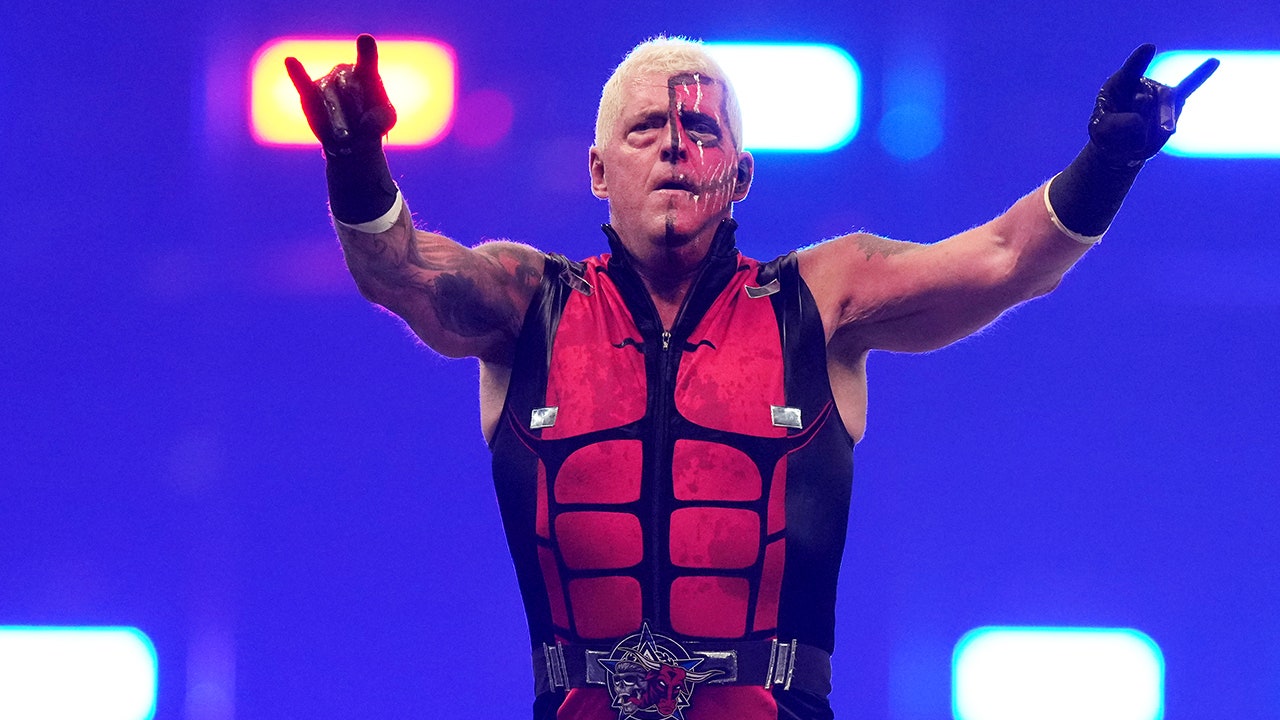
Dustin Rhodes hinted that he could be back in the ring sooner than fans expected after undergoing double knee replacement surgery last summer. This piece tracks his recovery, what a return might look like, and why his resilience matters to All Elite Wrestling and the wider wrestling community. It reads as a close look at progress, risks, and the real-world limits wrestlers face when coming back from major surgery.
Rhodes is a name fans know for grit and character work, and the news that he’s eyeing a return carries weight because knee replacements are no small feat. He only recently went through the surgeries, and the early reports from his camp indicate steady rehab and a positive outlook. That optimism is contagious, but it also invites questions about timelines and realistic expectations.
Recovery after bilateral knee replacement typically involves months of rehab, incremental strength rebuilding, and careful monitoring from medical professionals. For an athlete used to high-impact moves and long nights on the road, the task is both physical and mental. Rhodes will need medical clearance and a gradual ramp-up to any in-ring activity to avoid setbacks.
From a performance perspective, adjustments are likely inevitable, with match styles and frequency needing to be tailored to protect his knees. Rhodes could adopt a role that leans into storytelling, shorter matches, or limited appearances rather than a full schedule. That kind of shift would preserve his presence while respecting the physical reality of artificial joints.
AEW benefits when veterans return, not just for nostalgia but for the locker room leadership they provide to younger talent. Rhodes has a long history in the business and brings credibility to up-and-coming stars when he shares the ring or the mic. Even if he works sporadic dates, his appearances can elevate storylines and create meaningful moments without demanding a weekly grind.
Fans have shown support across social channels, offering encouragement and excitement at the possibility of seeing Rhodes back in action. That energy matters, and promotions often balance fan demand with medical advice when planning returns. Responsible care and strategic booking will be key to making a comeback sustainable rather than a short-lived headline.
There is also the reality of risk management for the promotion and for Rhodes personally, because re-injury or complications could have long-term consequences. Insurance, physical therapy plans, and clear communication about limitations will all play into how his comeback is structured. Wise handling would prioritize longevity and quality of life over a flashy but risky immediate return.
What Rhodes’ situation underscores is a broader truth about professional wrestling: comebacks are as much about adaptation as they are about toughness. If he does step back into the ring, expect a thoughtful approach that highlights his strengths and protects his health, while giving fans memorable moments that fit his new circumstances.
